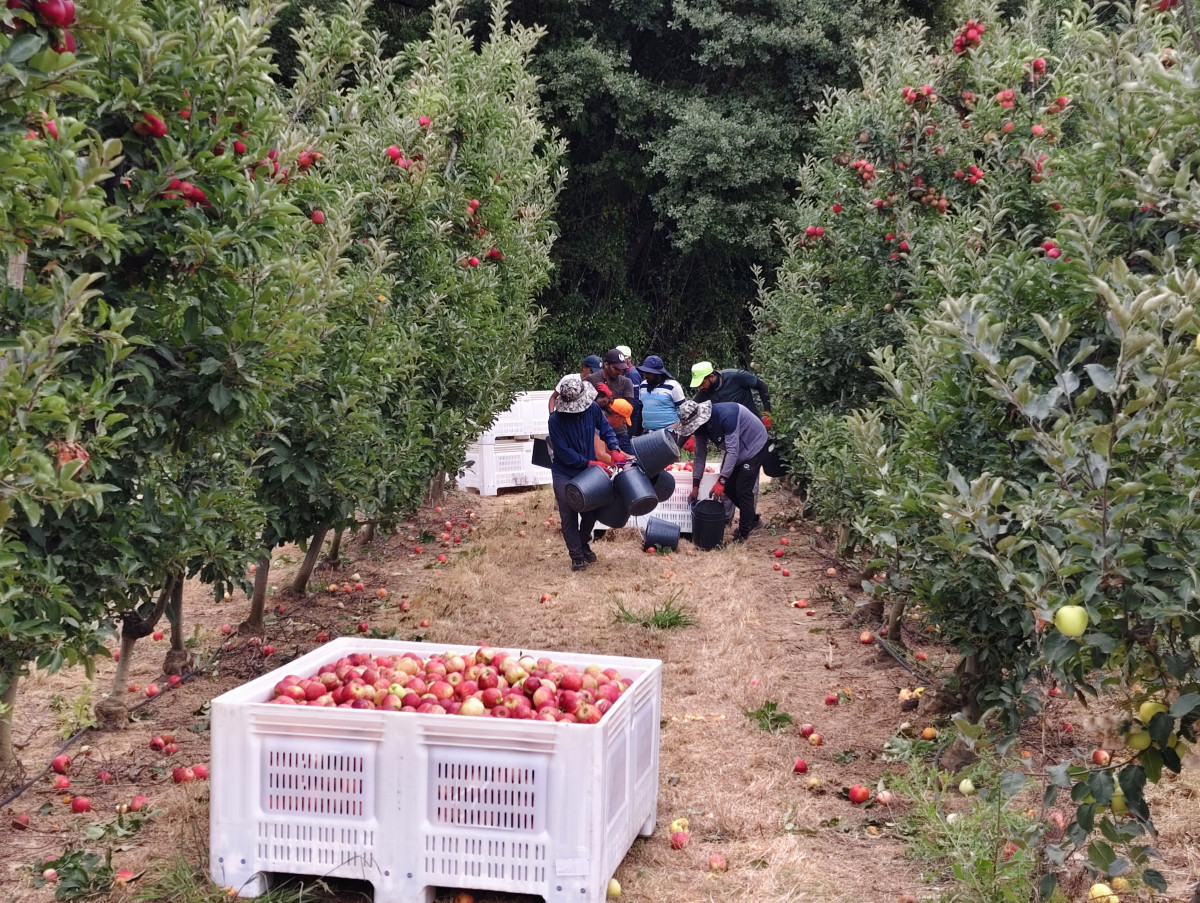
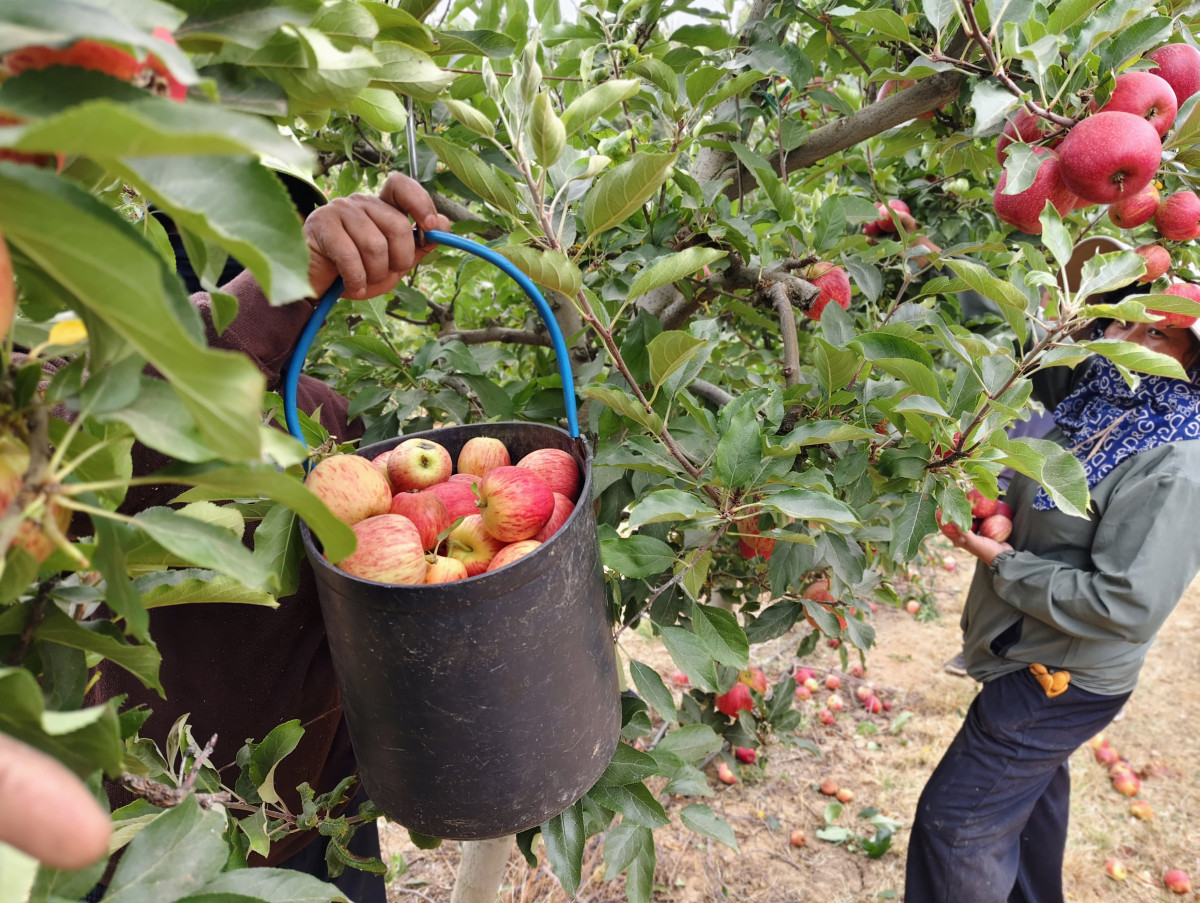
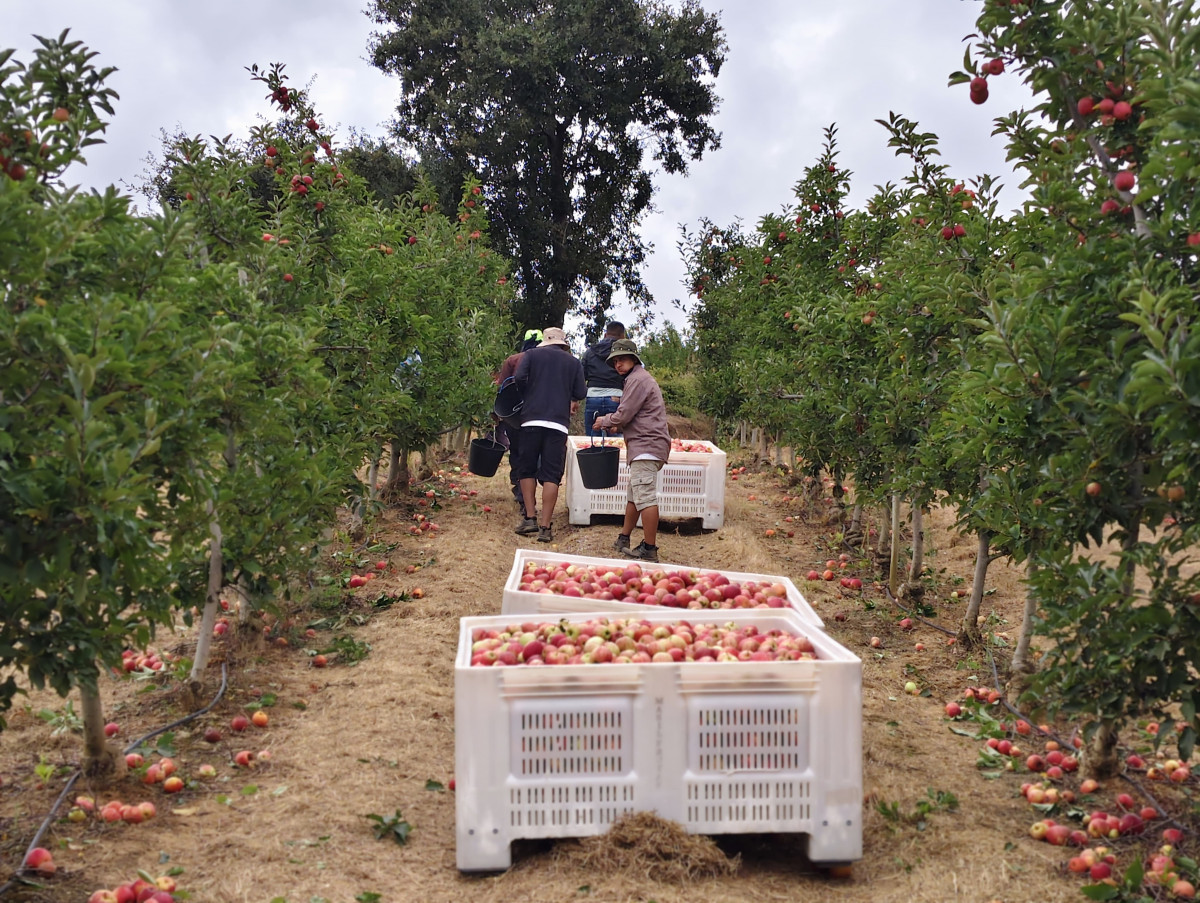
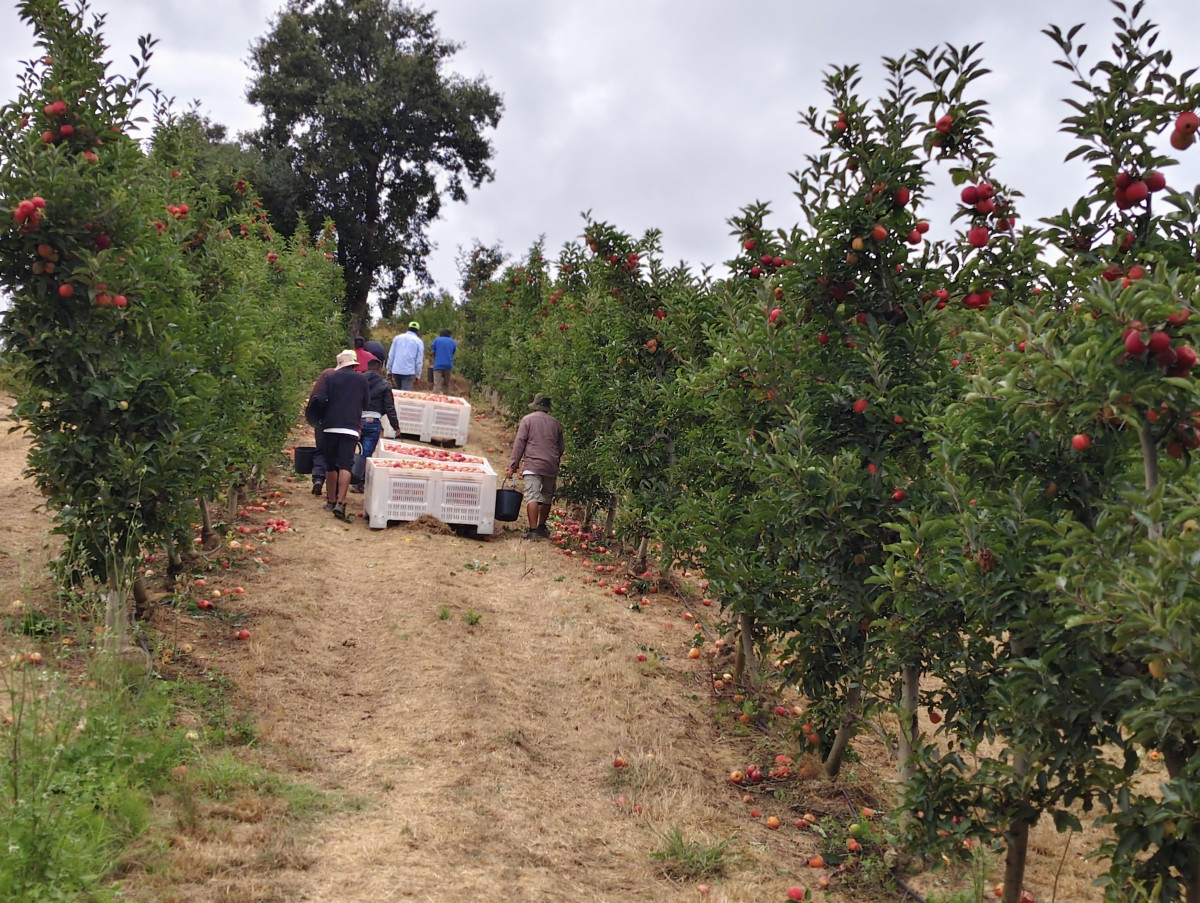
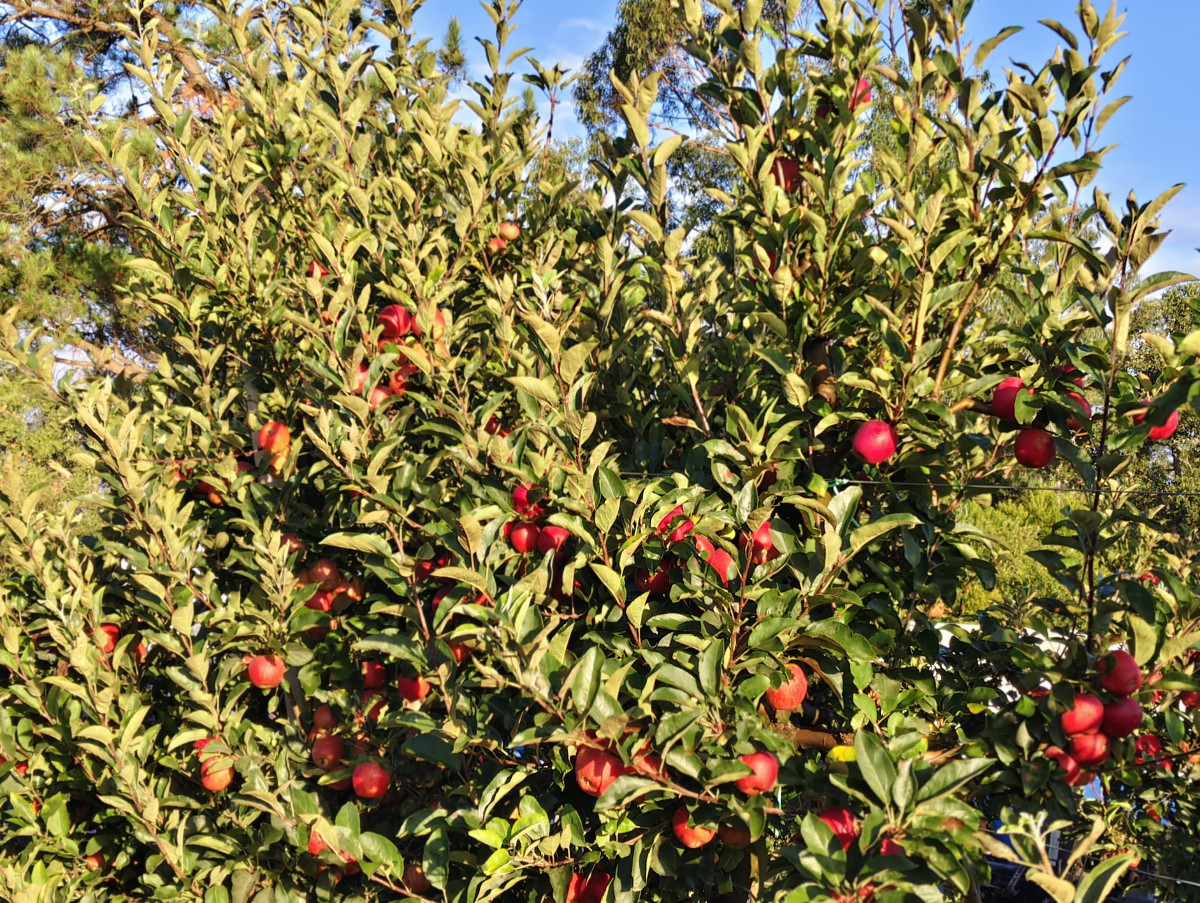
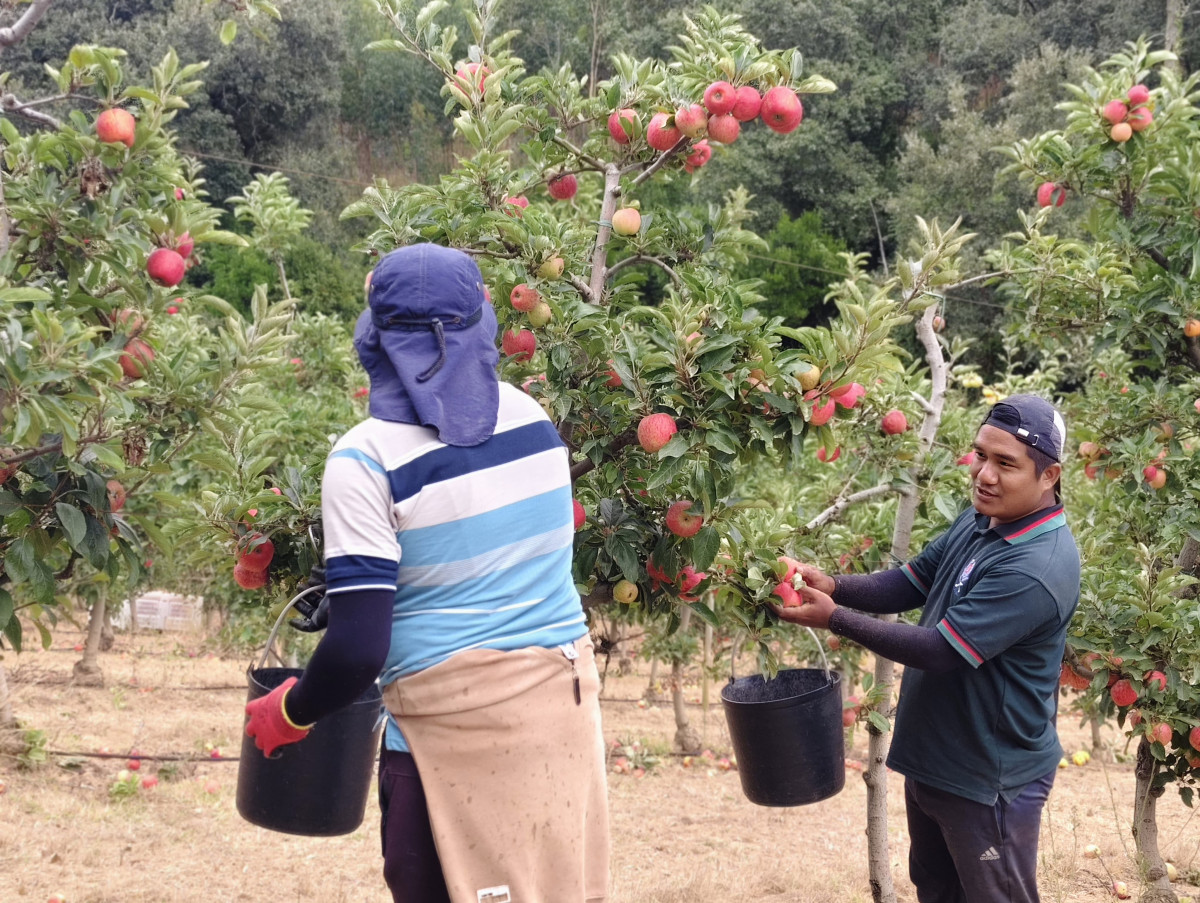
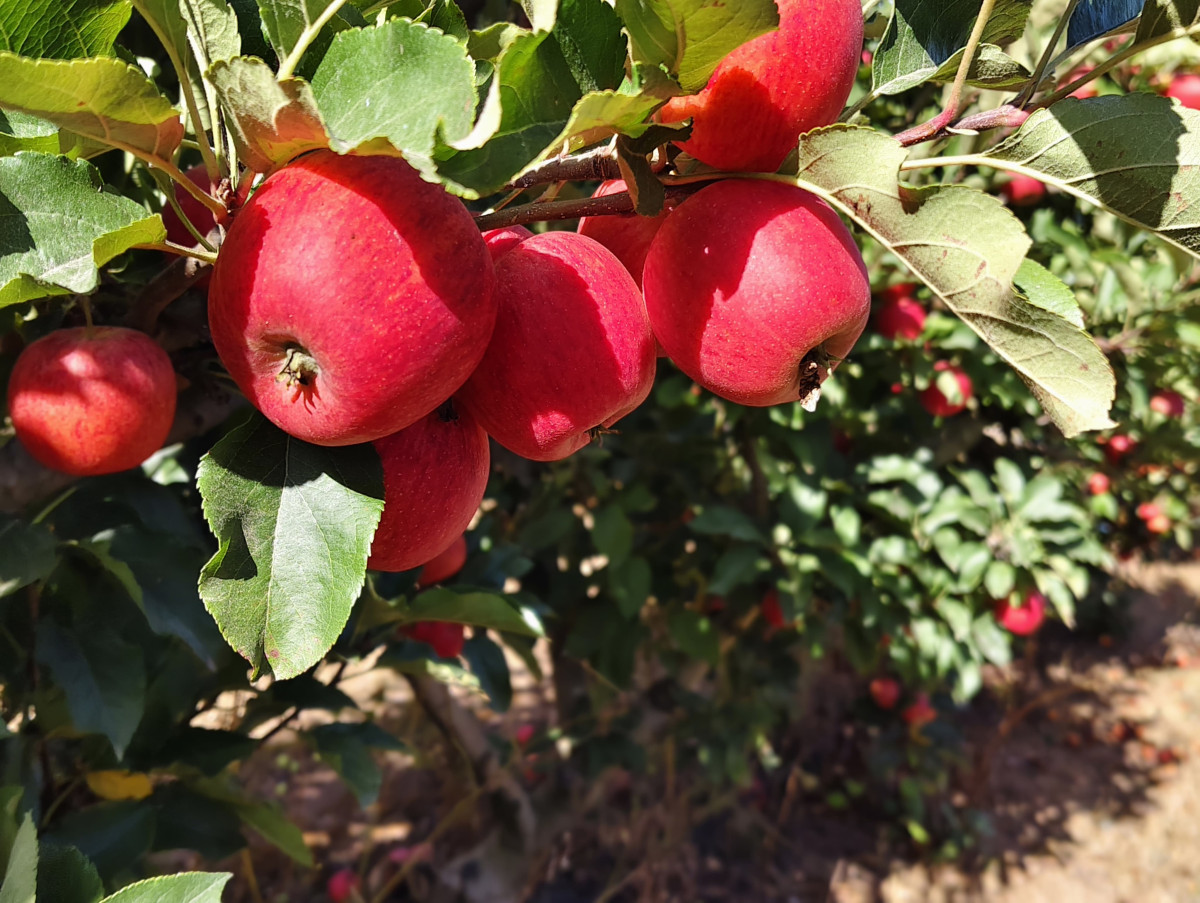
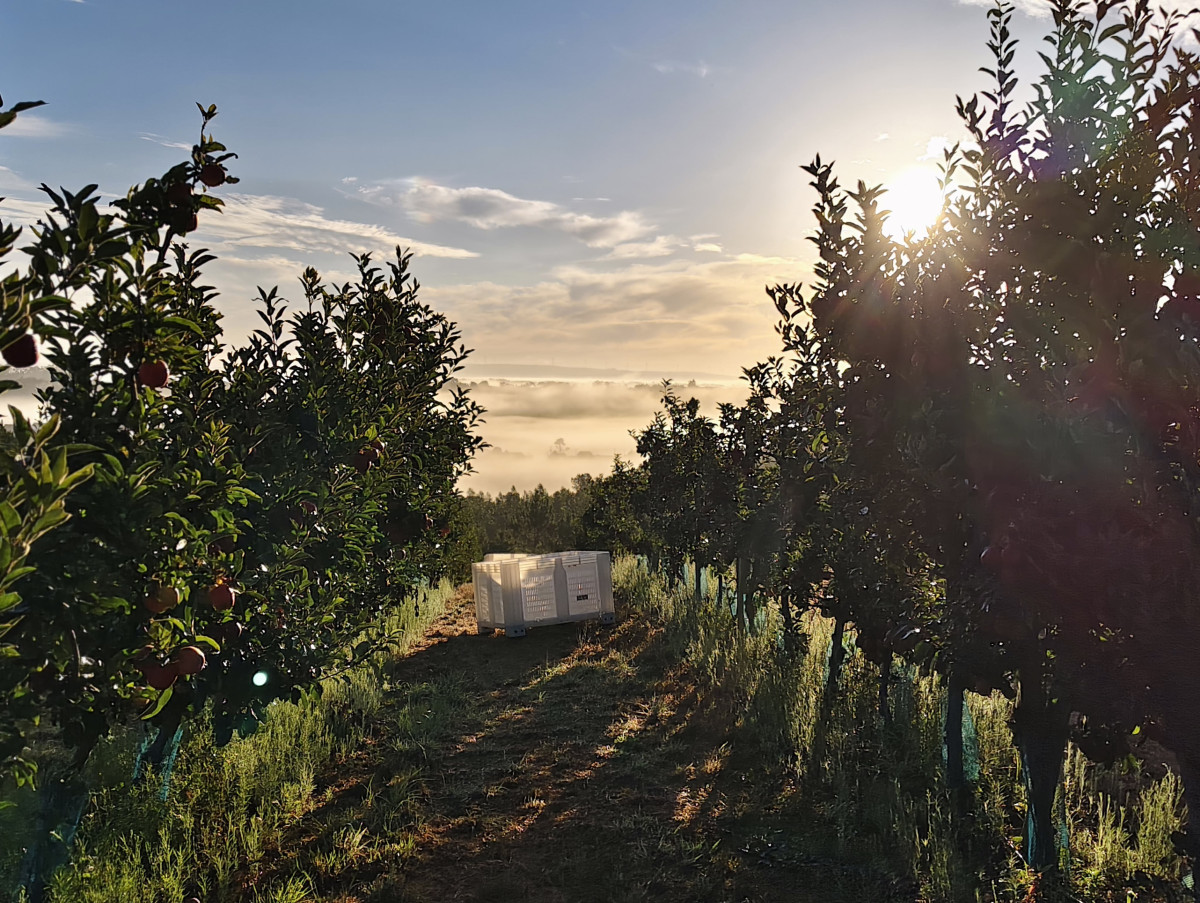
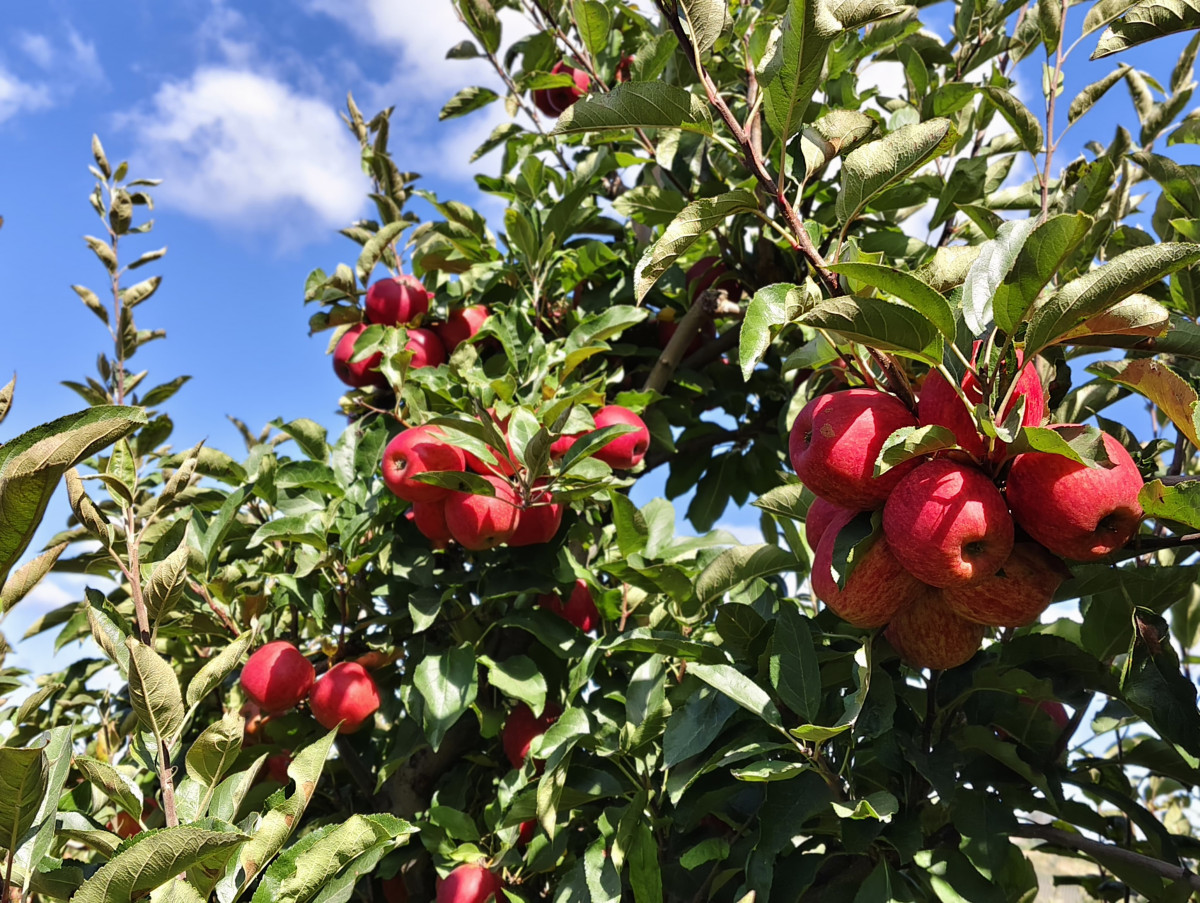
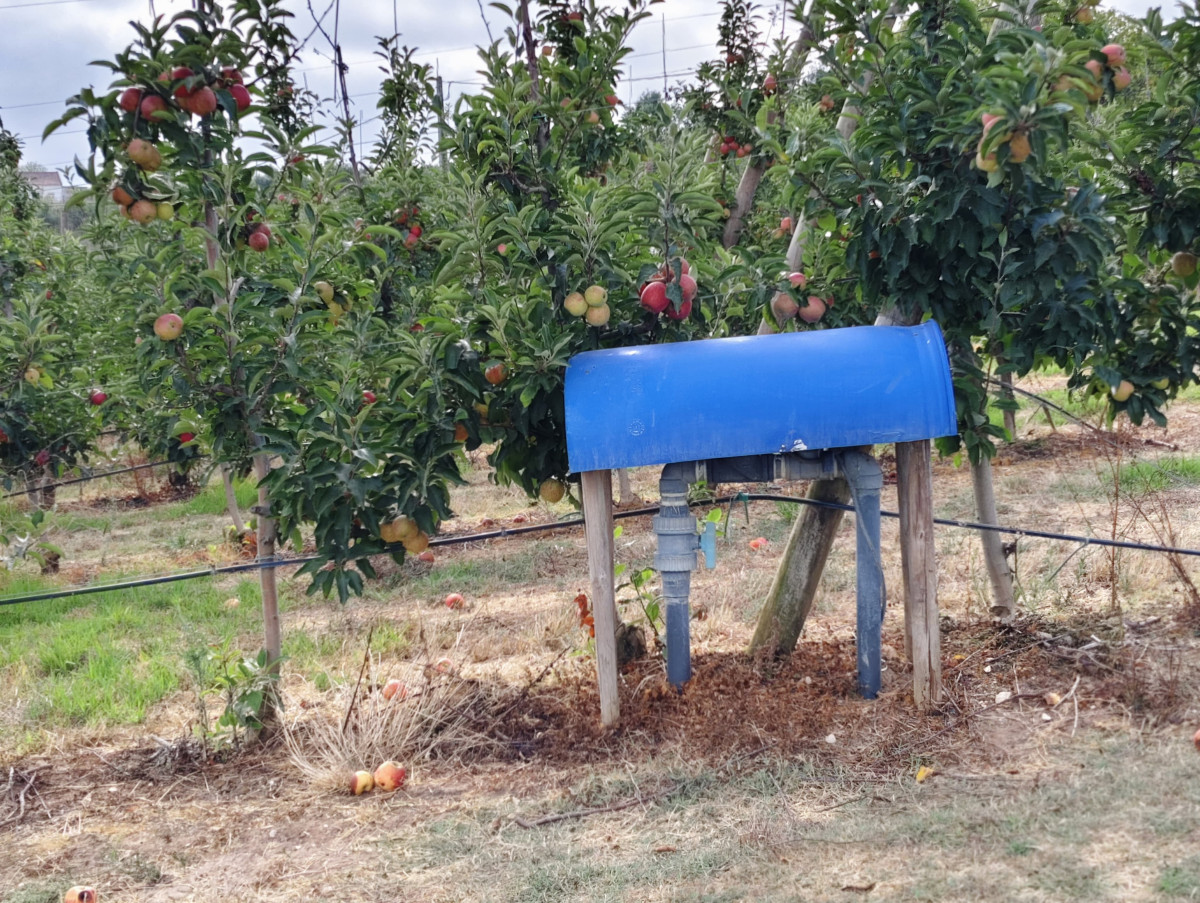
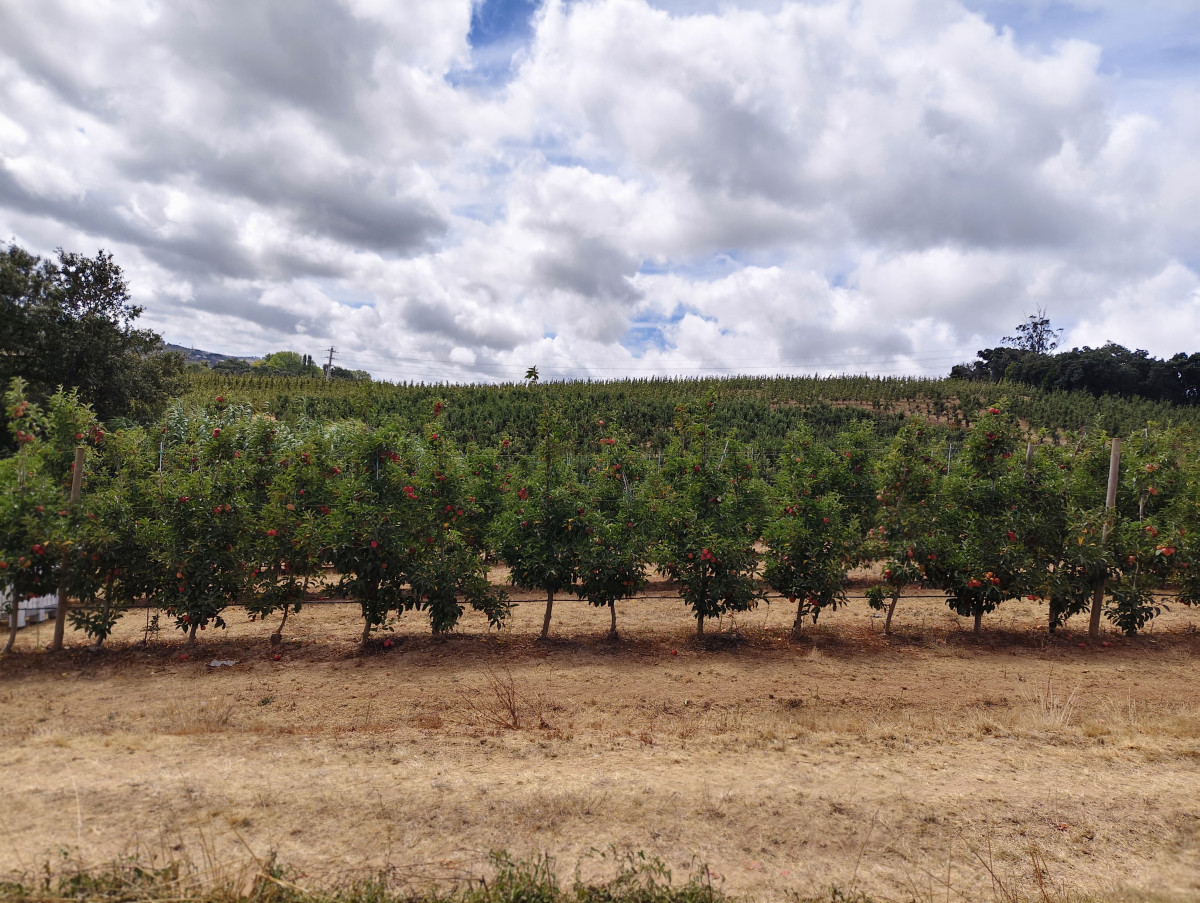
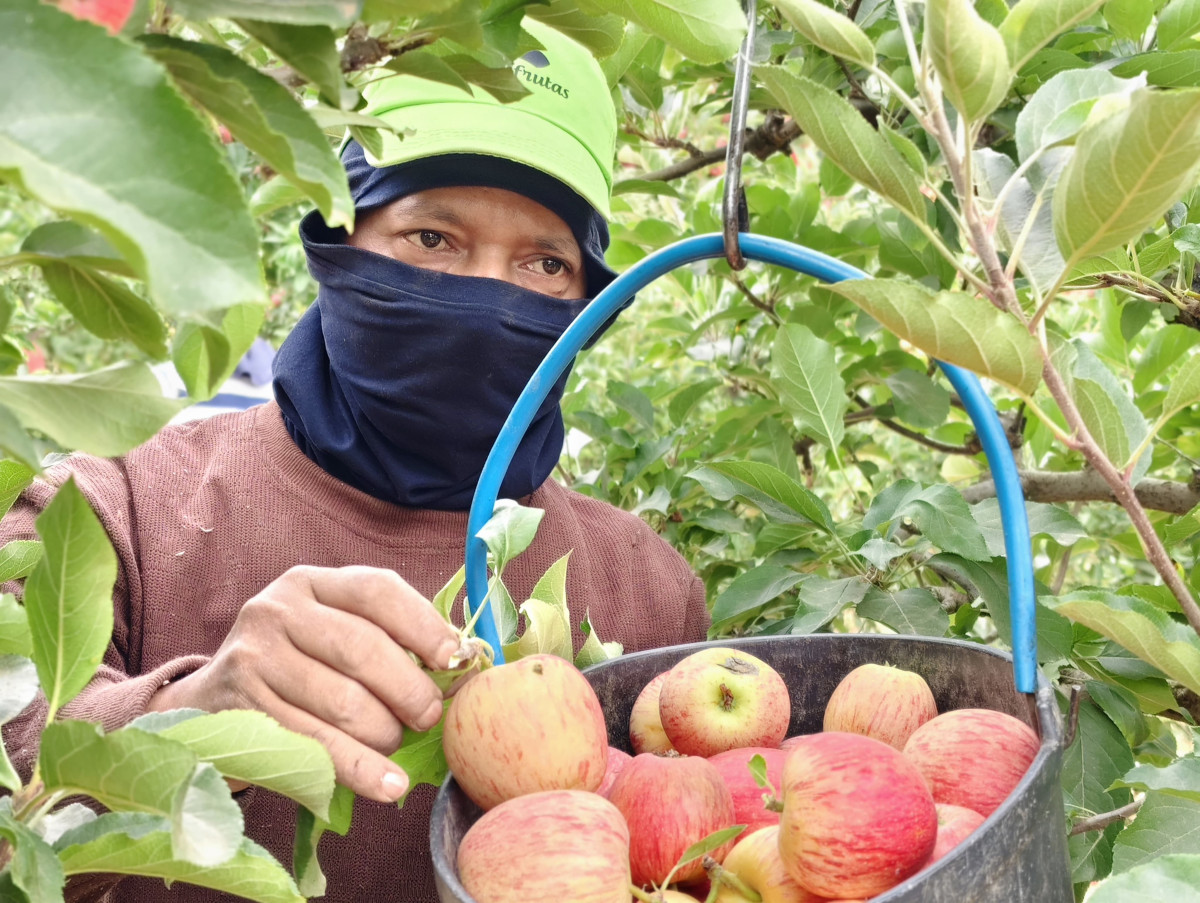
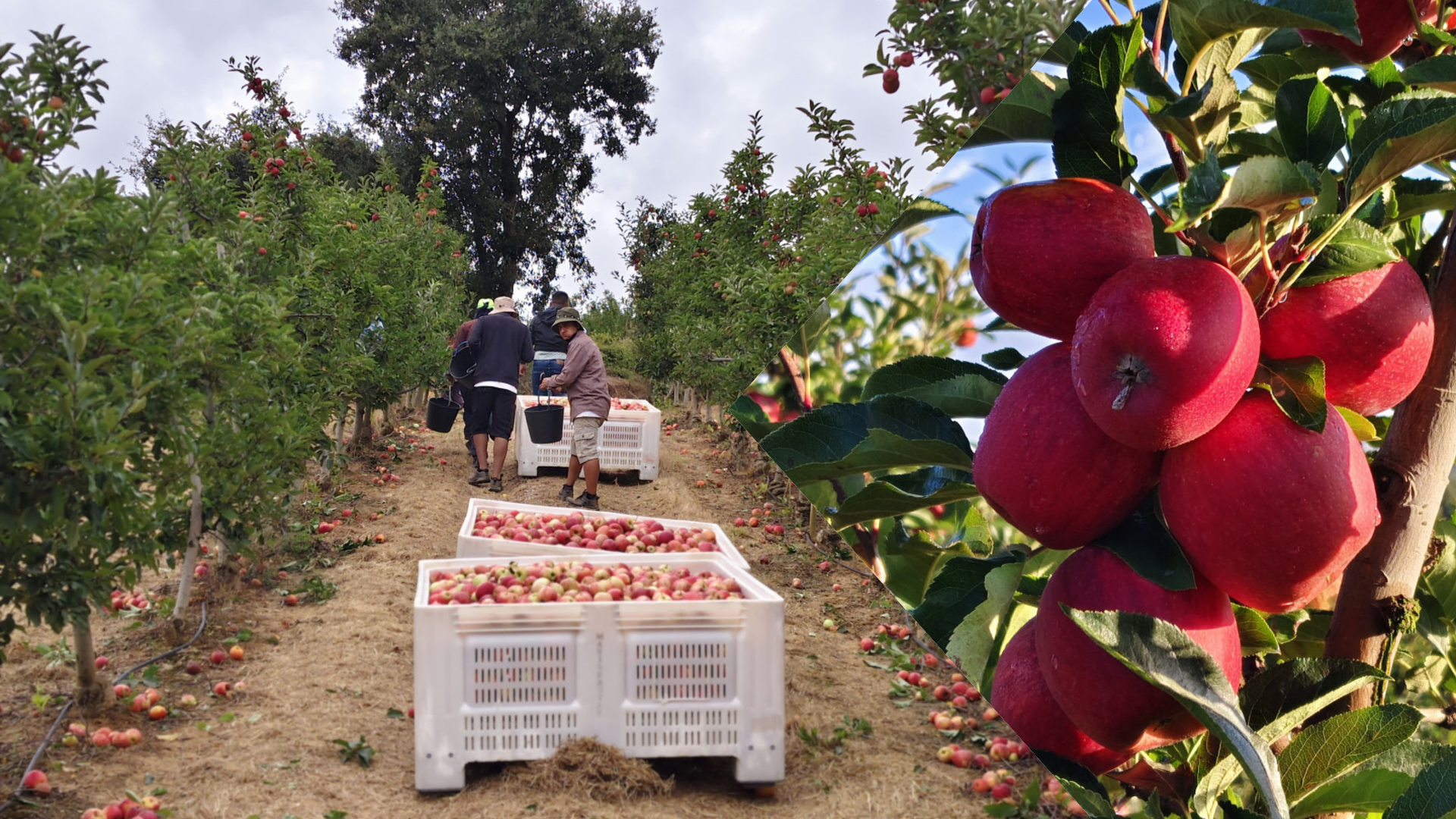
Nepali workers harvesting apples in Portugal (photos)
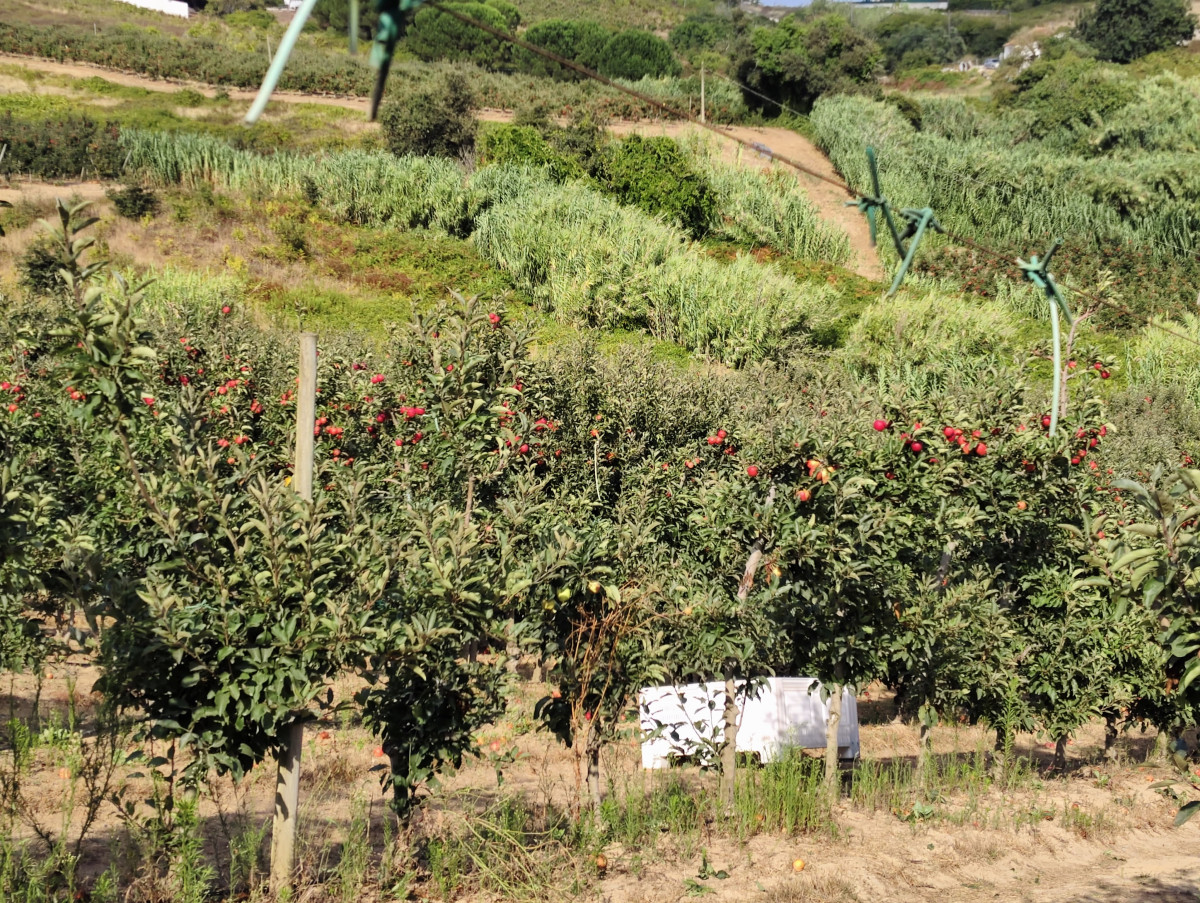
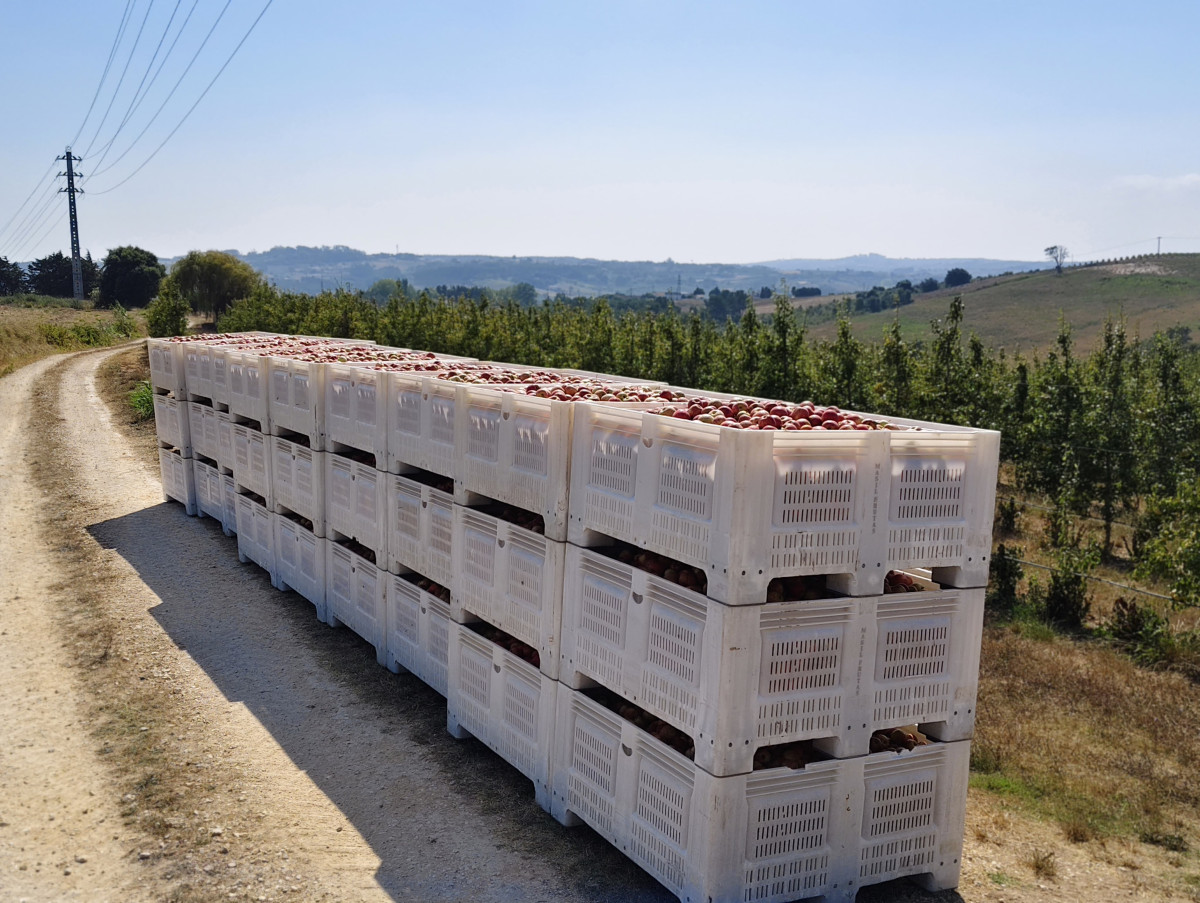
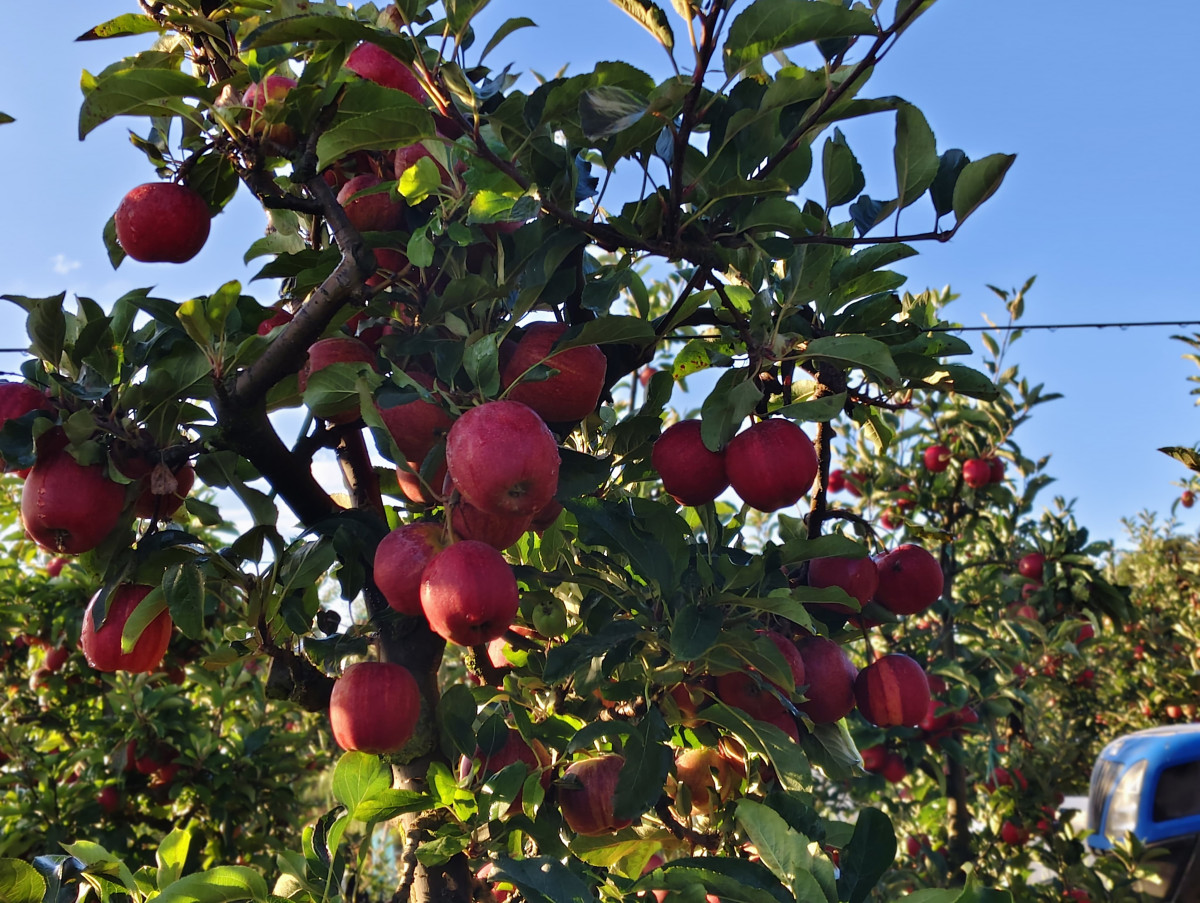
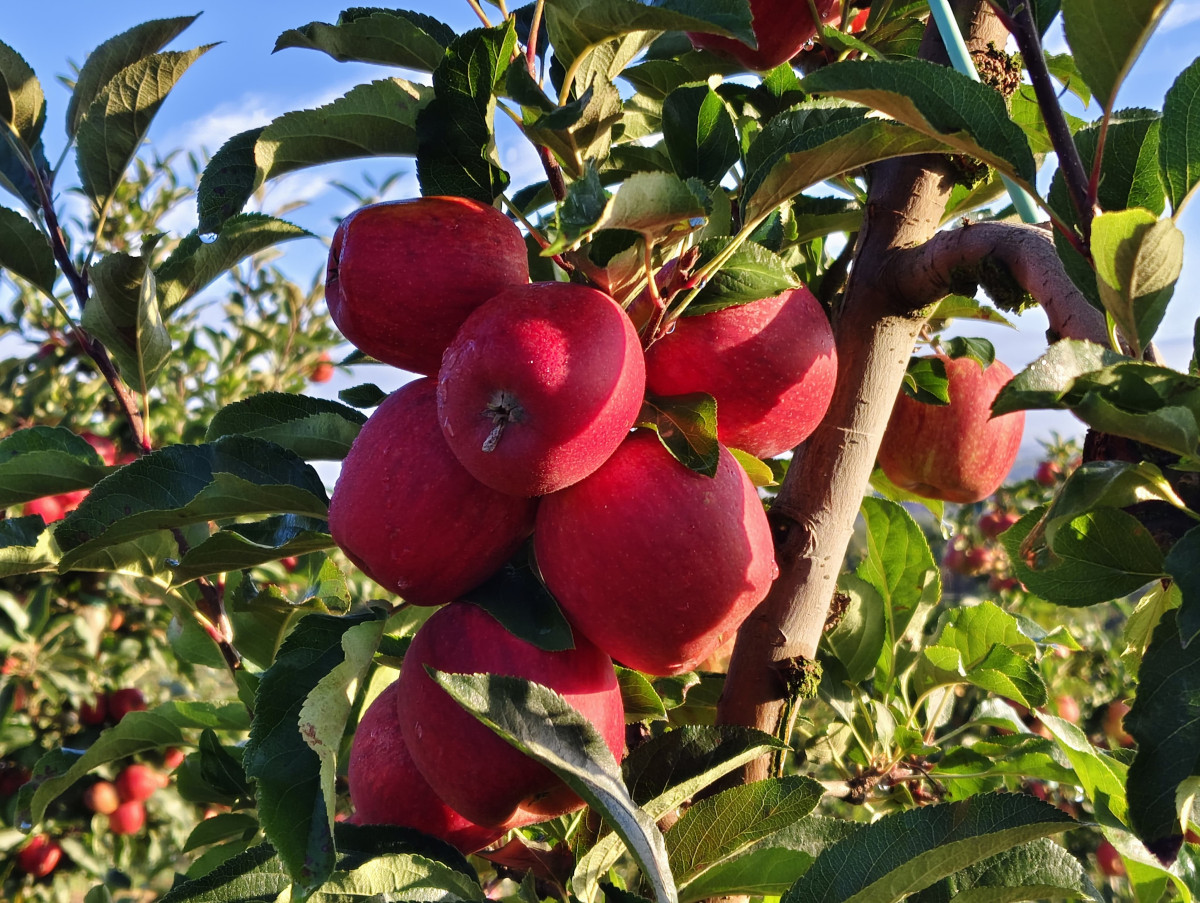
The apple harvesting season runs primarily from October to December, during which the domestic market is flooded with fresh apples.

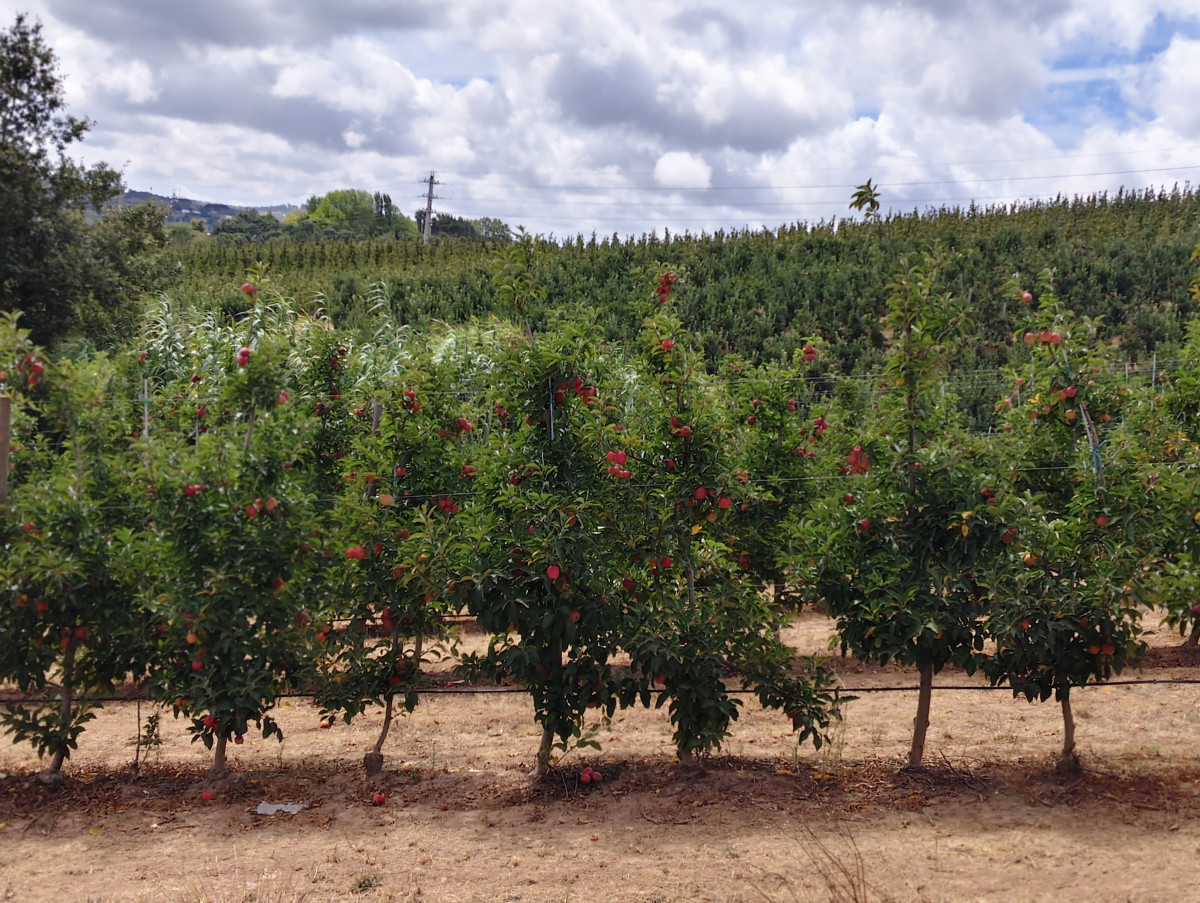
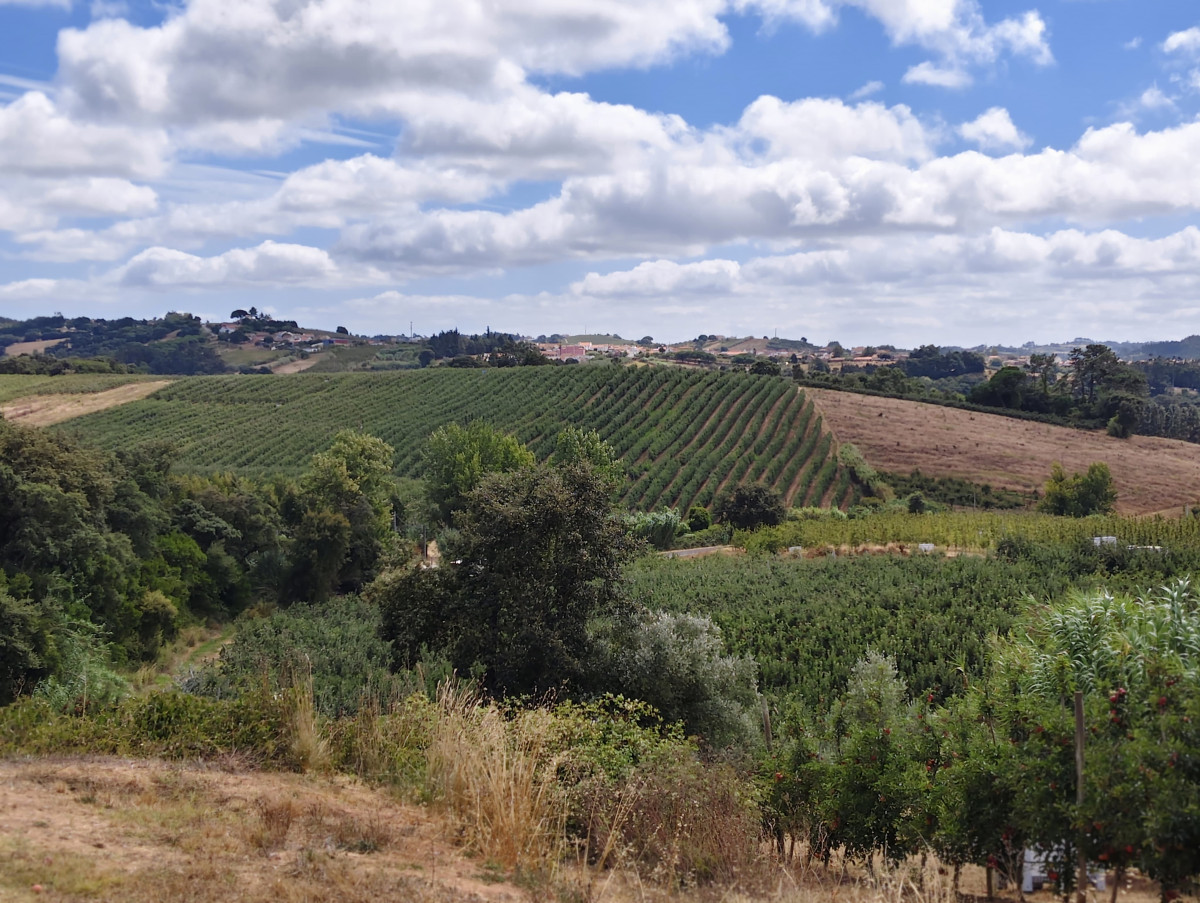
KATHMANDU: Portugal’s apple cultivation boasts a long and prosperous history, particularly in the regions of Minho, Trás-os-Montes, and Ribatejo e Oeste, where favorable climate and fertile soils have sustained and strengthened apple farming for centuries.
Historical records suggest that apple cultivation in Portugal began around the mid-12th century. It was the Cistercian monks in the Alcobaça region who initiated systematic planting of apple trees as part of monastic agricultural practices.
This legacy laid the foundation for what would become a deeply embedded tradition in Portuguese agriculture.
The 1960s marked a turning point, as industrialization of apple farming led to significant improvements not only in production volume but also in fruit quality.
Technological advancement, better cultivation practices, and investment in orchards fueled a more efficient and profitable industry.
In 2023, Portugal produced approximately 292.23 million kilograms of apples—showing a slight increase from the previous year.
The Ribatejo e Oeste region accounted for nearly 40% of the total production, followed by Trás-os-Montes with 30%, Beira Litoral with 13%, and Beira Interior contributing 12%.
The apple harvesting season runs primarily from October to December, during which the domestic market is flooded with fresh apples.
Farmers also begin preparations for storage and export.
Apple farming plays a vital role in Portugal’s economy—not just in production but also in employment and trade.
In 2023, Portugal exported around 70.69 million kilograms of apples while importing 64.79 million kilograms, indicating robust trade activity. This balance of export and import underlines the fruit’s importance in both domestic consumption and international markets.
Apple prices in Portugal typically range between €1 to €2 per kilogram, depending on the variety and quality.
A crucial yet often overlooked part of this thriving industry is the contribution of migrant labor. At present, thousands of Nepali and Bangladeshi workers are engaged in apple harvesting, alongside local Portuguese farmers.
Due to the labor-intensive nature of the harvest season, there is immense demand for reliable manpower, and migrant workers have become indispensable.
Recent statistics show that nearly 30,000 Nepali workers are currently employed in Portugal’s agriculture sector.
These workers are not only involved in apple farming but also actively contribute to the cultivation of berries, tomatoes, grapes, and other fruits—especially in southern regions such as Odemira, São Teotónio, and Almeirim.
Photos: