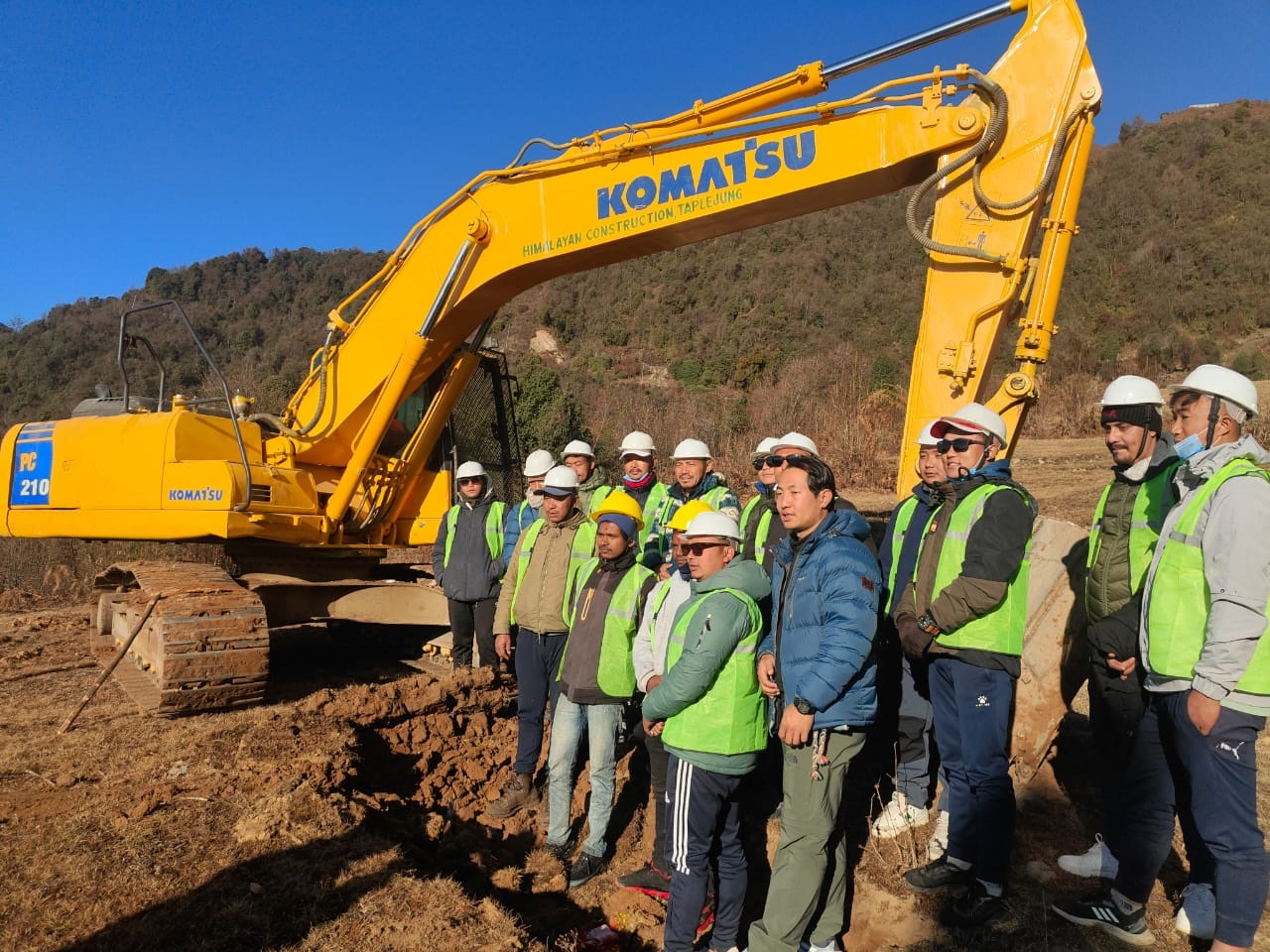
Two key petroleum pipeline projects—Amlekhgunj–Chitwan and Siliguri–Jhapa (Charali)—have already entered the implementation phase.
Meanwhile, NOC has proposed an LPG pipeline from Motihari (India) to Sarlahi under a grant-based model, currently awaiting India’s response.
Amlekhgunj–Chitwan Petroleum Pipeline
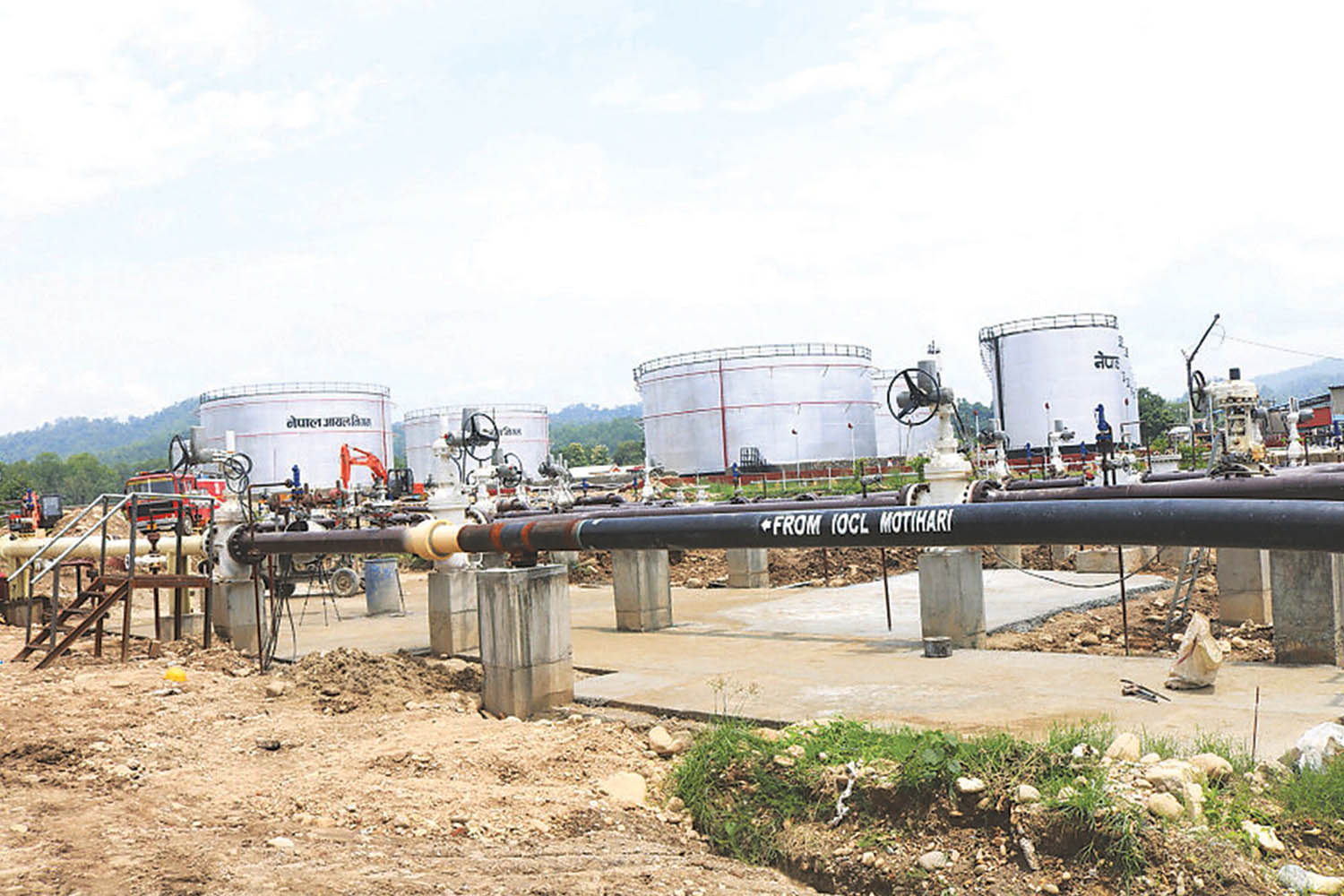
According to NOC Executive Director Chandika Prasad Bhatt, the Amlekhgunj–Chitwan pipeline project is progressing steadily. The pipeline will stretch approximately 62 kilometers with an annual capacity of 2 million metric tons.
The project is being constructed by Indian Oil Corporation (IOC) with financial support from the Government of India. The estimated total cost of the two petroleum pipelines stands at around Rss 15 billion.
While the pipeline construction is grant-funded, the fuel storage facility in Chitwan is being built using NOC’s own resources, with an estimated investment of Rs 8 billion.
Once completed, petrol and diesel from the existing Motihari–Amlekhgunj pipeline will be transported directly to Chitwan via pipeline, significantly cutting road transport dependence.
Siliguri–Jhapa Pipeline to Serve Koshi Province
The Siliguri–Jhapa petroleum pipeline, approximately 50 kilometers long, is estimated to cost around Rs 9 billion. Bhatt said IOC will construct both the pipeline and a storage terminal in Jhapa under a grant arrangement.
This project entered the implementation stage following the Nepal–India framework agreement signed in October 2024.
Combined, the two petroleum pipeline projects will see an investment of around INR 15–16 billion from the Indian side. Once operational, the Jhapa pipeline is expected to meet the fuel demand of Koshi Province while substantially reducing transportation costs.
LPG Pipeline Proposal: Motihari–Sarlahi
NOC has also proposed an LPG gas pipeline from Motihari to Sarlahi to curb heavy transportation expenses currently incurred through truck and bullet transport. Nepal presently spends about Rs 6 billion annually on LPG transportation from India—most of which goes to Indian transporters.
Bhatt said the pipeline would help save costs, stabilize supply, and make cooking gas cheaper for consumers. The plan includes building storage facilities in Sarlahi capable of holding more than 20 days of LPG supply, from where gas would be distributed to industries and bottling plants using Nepali transport vehicles.
The preliminary estimated cost of the LPG pipeline project is around Rs 12 billion. Once completed, it is expected to significantly reduce transportation fares, retain money within Nepal, prevent seasonal gas shortages, and streamline distribution.
Awaiting India’s Response
The LPG pipeline remains at the proposal stage, with NOC seeking grant-based construction support from the Indian government. Bhatt noted that no concrete response has been received so far, and the final cost and implementation timeline will only be determined after detailed studies and financial structuring.
He added that if India is unable to support the project, Nepal is capable of implementing the LPG pipeline independently.