Nepal Army prepares monsoon disaster response plan
According to the Army, troops have been kept on standby at district-level units (companies and battalions) for immediate deployment during emergencies.

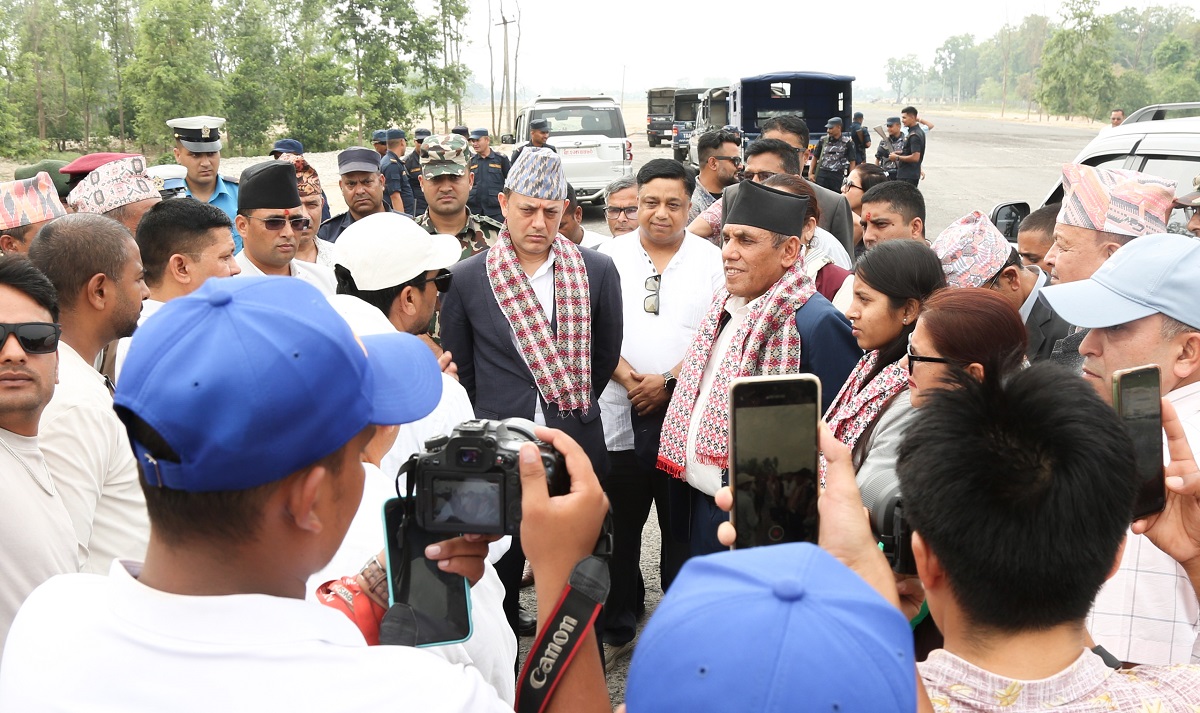
KATHMANDU: The Nepal Army has announced the implementation of a monsoon preparedness and response plan based on lessons learned from past rescue and relief operations conducted in previous years.
The plan emphasizes coordination and collaboration with federal, provincial, and local government bodies, other security agencies, non-governmental organizations, and local communities.
According to the Army, troops have been kept on standby at district-level units (companies and battalions) for immediate deployment during emergencies.
Specialized search and rescue teams equipped with necessary tools have been stationed across all provincial commands to ensure rapid and effective response to floods, landslides, and other disasters.
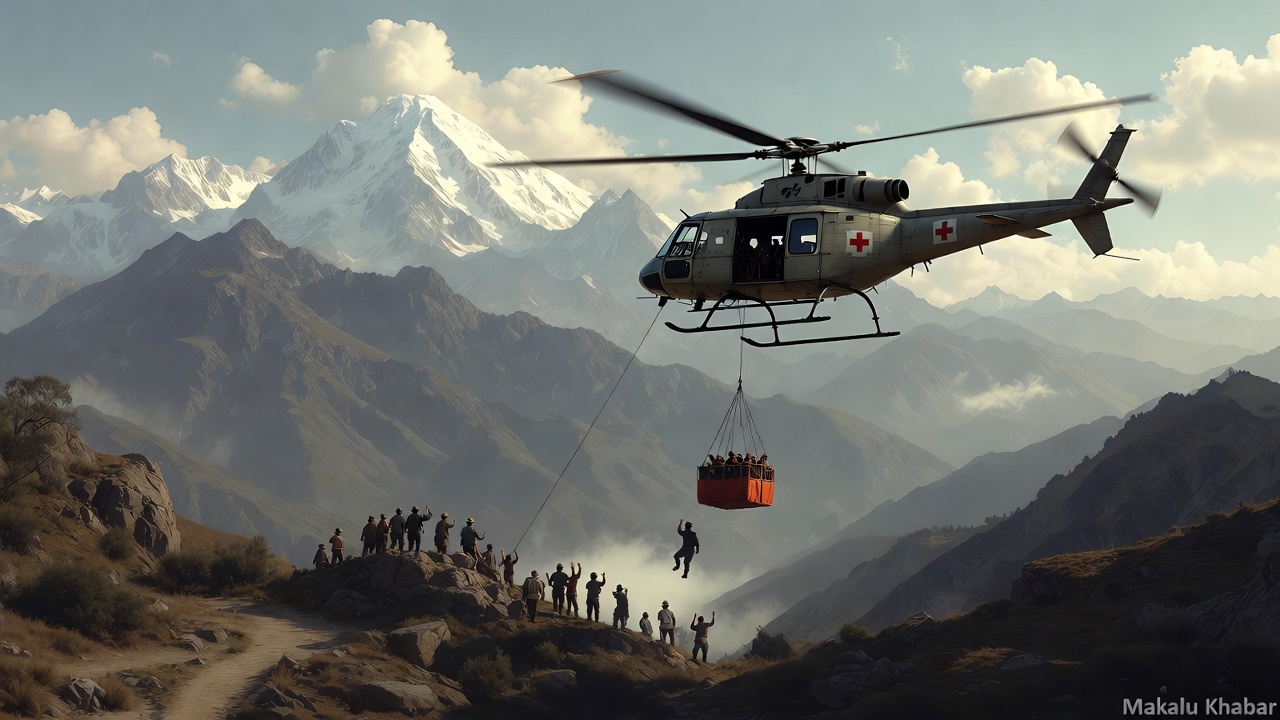
Helicopters and other aerial resources have also been placed on standby to deliver rescue and relief materials to remote and inaccessible areas.
One helicopter each has been stationed in Surkhet and Itahari, in addition to Kathmandu, through the Army’s Directorate of Public Relations and Information.
Other aircraft will be kept ready in Kathmandu for nationwide deployment during the monsoon, with two units pre-positioned based on weather forecasts.
To restore disrupted transport routes due to floods and landslides, the Army has kept Bailey bridges ready at Gajuri (Dhading), Bharatpur (Chitwan), and Jitpur (Bara).
Additionally, three rapid mechanical bridge systems are stored at the Gauchar Barracks for quick transportation and installation in affected areas.
A rapid response team equipped for specialized rescue operations is also on standby at the Gauchar Barracks in Kathmandu and can be deployed immediately via air support.
For medical emergencies, military hospitals across the country have prepared doctors, medical teams, equipment, and medicines for immediate deployment. Similarly, each provincial command has stocked essential relief materials including food and medicine.
Heavy engineering equipment and operators are also ready for immediate mobilization through the Army’s Engineering Department to clear landslides, reopen roads, and repair damaged infrastructure.
The Nepal Army stressed that disaster management requires coordinated efforts beyond a single institution. It highlighted strengthened collaboration and structured response mechanisms involving all stakeholders from the central to local levels, based on lessons from past monsoon disasters.
As part of preparedness efforts, the Army conducted a central-level integrated disaster simulation exercise titled “Exercise Haatemalo” at the Army Headquarters from May 4 to 6, involving various government ministries, security agencies, and national and international NGOs.
The exercise aimed to review disaster response mechanisms, enhance coordination, and strengthen operational effectiveness. Similar exercises will gradually be extended to provincial and district levels.
Community-based disaster response training has also been conducted to strengthen coordination between civilians and security agencies during emergencies.
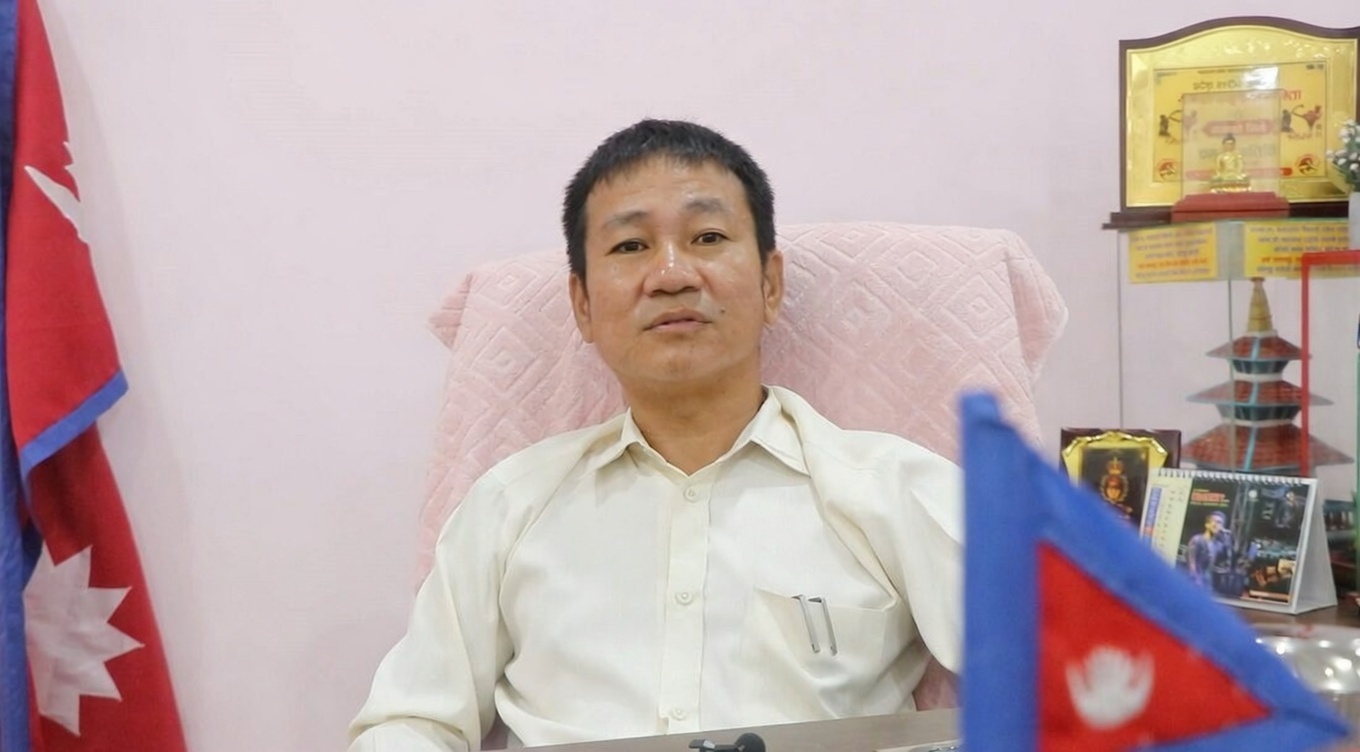
According to Army spokesperson and Assistant Rathi Rajaram Basnet, the Nepal Army remains committed to reducing loss of life and property through coordinated preparedness, joint exercises, and effective implementation of disaster response plans.
With the increasing challenges posed by monsoon-related disasters each year, the Army expressed confidence that this extensive preparedness initiative will further strengthen Nepal’s disaster management system and enhance public safety and trust.