Multi-Indicator Survey 2081/82: Highest child mortality in Sudurpashchim
Additionally, 17 newborns die within their first month, highlighting persistent challenges in neonatal health.

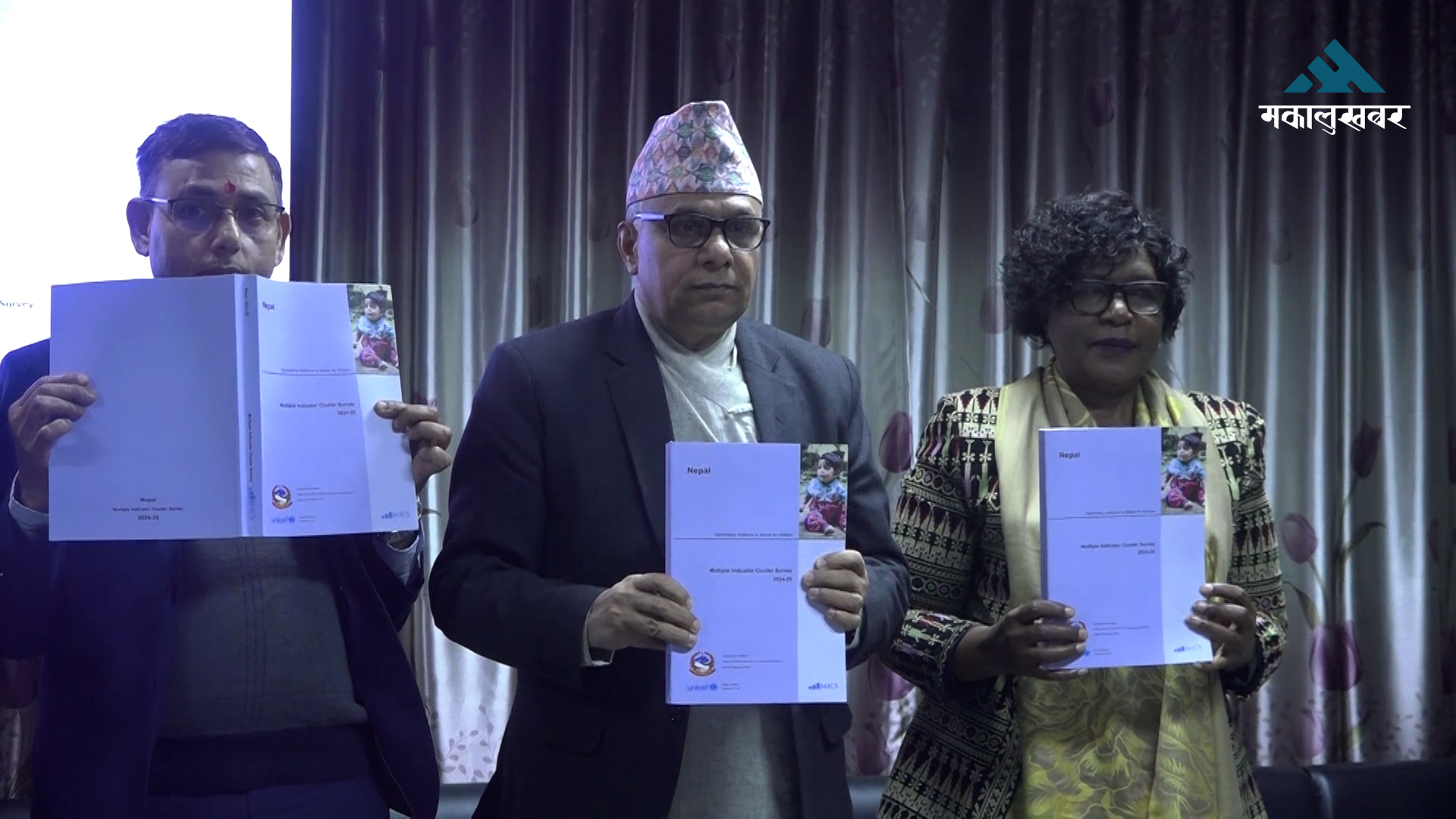
KATHMANDU: The National Statistics Office (NSO) on Monday published the complete results of the Nepal Multi-Indicator Survey 2081/82, revealing critical insights into child mortality, maternal health, nutrition, and household access to basic services.
According to the report, Nepal records 27 infant deaths per 1,000 live births before the first birthday, while the under-five mortality rate stands at 31 per 1,000 children.
Additionally, 17 newborns die within their first month, highlighting persistent challenges in neonatal health.
Provincially, Sudurpashchim Province has the highest rates of infant and child mortality, with 26 deaths per 1,000 live births, 38 infant deaths, and 48 deaths among under-five children, whereas Bagmati and Gandaki provinces report the lowest rates, with infant mortality at 17 and under-five mortality at 20, respectively.
The total fertility rate in Nepal has declined to 1.9 children per woman. However, adolescent pregnancies remain a concern, with 48 births per 1,000 girls aged 15–19.
Among women aged 20–24, 11.2% gave birth before turning 18, underscoring ongoing challenges in addressing teenage pregnancy.
Maternal healthcare shows progress, with 85% of women who gave birth in the past two years receiving at least four antenatal check-ups. 90.5% delivered in health facilities, and 25.3% underwent cesarean sections.
Child Nutrition in Critical Condition
The survey highlights alarming child nutrition indicators. Among children under five, 31.5% are stunted and 24.3% are underweight.
The highest prevalence of underweight children is in Madhesh Province at 33.2%, while Bagmati reports the lowest at 9.6%.
Exclusive breastfeeding for the first six months is 69.7%, and 80.7% of children aged 12–23 months have completed all vaccinations.
Enrollment in primary education (Grades 1–5) for age-appropriate children is 41.2%, while 85.4% of children under five are registered at birth.
Household Access to Utilities and Technology
The survey indicates that 96.7% of households have electricity, with Gandaki Province at 99.5% and Karnali at 80.8%.
Telephone access is available in 95.5% of households, and 82% use internet-enabled devices.
Substance Use, Sanitation, and Health Insurance
Among adults aged 15–49, 5.1% of women and 41.8% of men use tobacco. Improved drinking water sources are used by 98.2% of the population, while 92.4% have access to improved sanitation facilities.
Health insurance coverage remains low, with 17.8% of women and 19.6% of men aged 15–49 enrolled, and only 11.7% coverage among children under five.
This fourth multi-indicator survey, conducted with technical and financial support from UNICEF Nepal, is intended to provide critical data to support policy-making at federal, provincial, and local levels.
The NSO emphasized that the survey findings are essential for assessing the status of women and children, guiding policy interventions, and monitoring Sustainable Development Goals (SDGs) indicators.