Mountain biking boosts Sherpa livelihoods in Solukhumbu
While the region is globally renowned for Mount Everest, it is increasingly attracting adventure tourists interested in mountain biking.

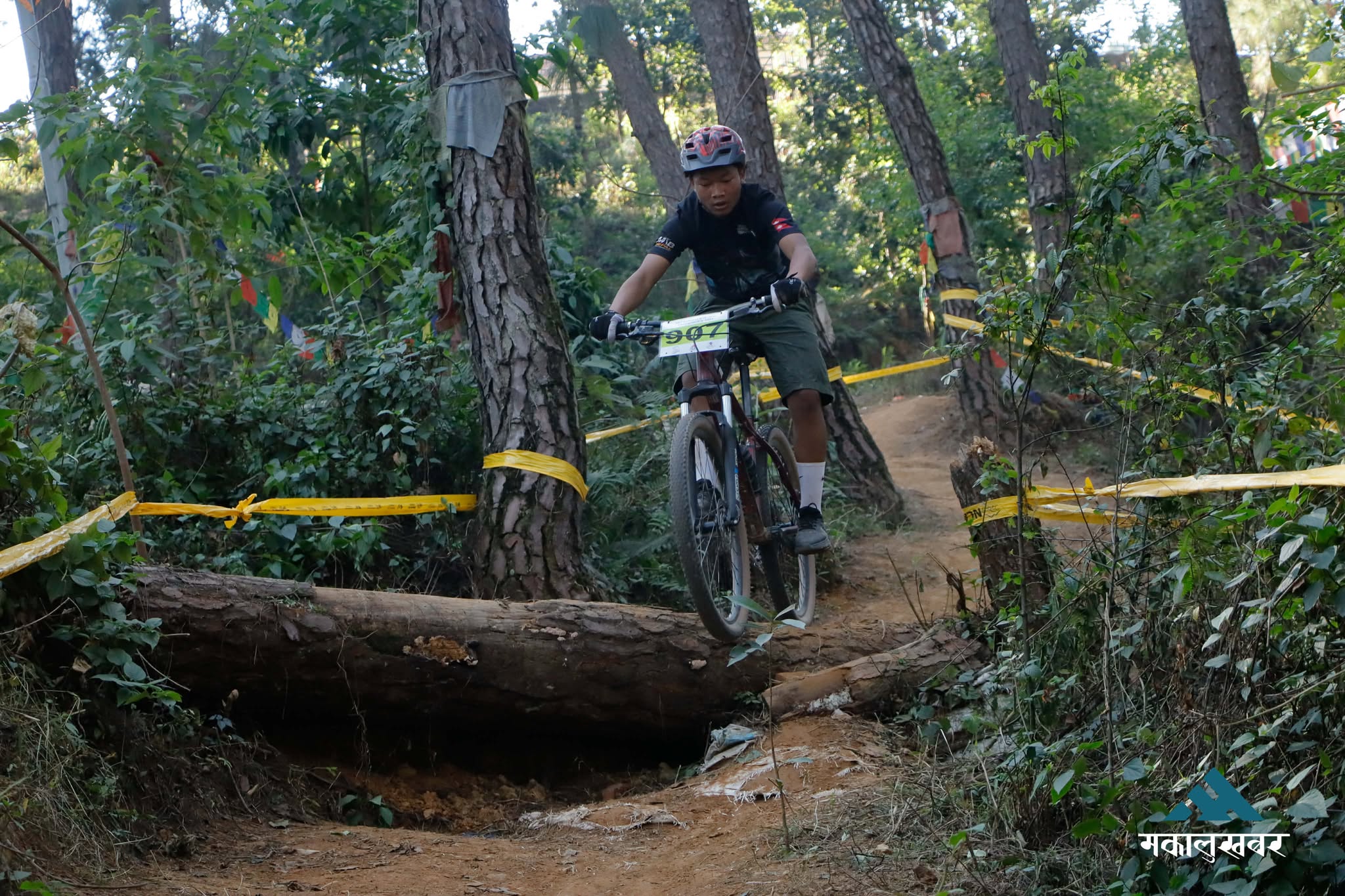
KATHMANDU: A growing mountain biking scene in Solukhumbu District is offering travellers an alternative way to experience the Himalayas while creating new opportunities for local Sherpa residents.
While the region is globally renowned for Mount Everest, it is increasingly attracting adventure tourists interested in mountain biking. In the small town of Phaplu, a community-led initiative has developed a network of 17 trails spanning 70 kilometers through the Ratnange Forest, catering to riders of all skill levels. The trails combine high-altitude challenges with scenic views, allowing visitors to explore areas beyond traditional trekking routes.
The Phaplu Mountain Bike Club, established in 2020 by hospitality director Ang Tshering Lama and French ex-professional mountain biker Tangi Rebours, aims to generate sustainable employment for young Sherpas. The club works closely with tour operators and local families to encourage homestays, providing tourists with opportunities to experience traditional Sherpa life while supporting the local economy.
Historically, many Sherpas relied on seasonal guiding and porter work during Everest expeditions, which, despite being relatively well-paid by Nepali standards, offer only short-term income. By diversifying into mountain biking, youth in the region can earn daily wages as guides, mechanics, or tour operators, while gaining skills in bike maintenance, first aid, and hospitality.
The initiative has already seen tangible growth. Several Sherpa families have opened homestays, offering traditional meals and cultural experiences to visitors. The Happy House lodge, a ten-room property once frequented by legendary climber Sir Edmund Hillary, has become a base for bikers exploring the region’s trails. Annual events, such as the Enduro Ratnange race launched in 2023, now attract international participants and further boost tourism.
Local youths are increasingly drawn to the sport. Training programs organized by the club provide hands-on experience in riding and trail management, allowing participants to develop professional skills that can lead to long-term careers in adventure tourism.
Experts note that Nepal’s combination of beginner-friendly and advanced trails, reliable terrain, mild weather, and high-altitude conditions makes it particularly appealing for mountain bikers worldwide. In addition to tourism benefits, the trails support environmental conservation by discouraging illegal logging and hunting.
As the Phaplu Mountain Bike Club expands its programs, more travellers and locals are turning their attention from Everest to these forested trails. The initiative demonstrates how adventure tourism can foster economic empowerment and community development, offering a sustainable model for rural regions in the Himalayas.