Mojtaba Khamenei named Iran’s new Supreme Leader after father’s death
The 56-year-old Mojtaba has long remained a behind-the-scenes figure in Iranian politics.

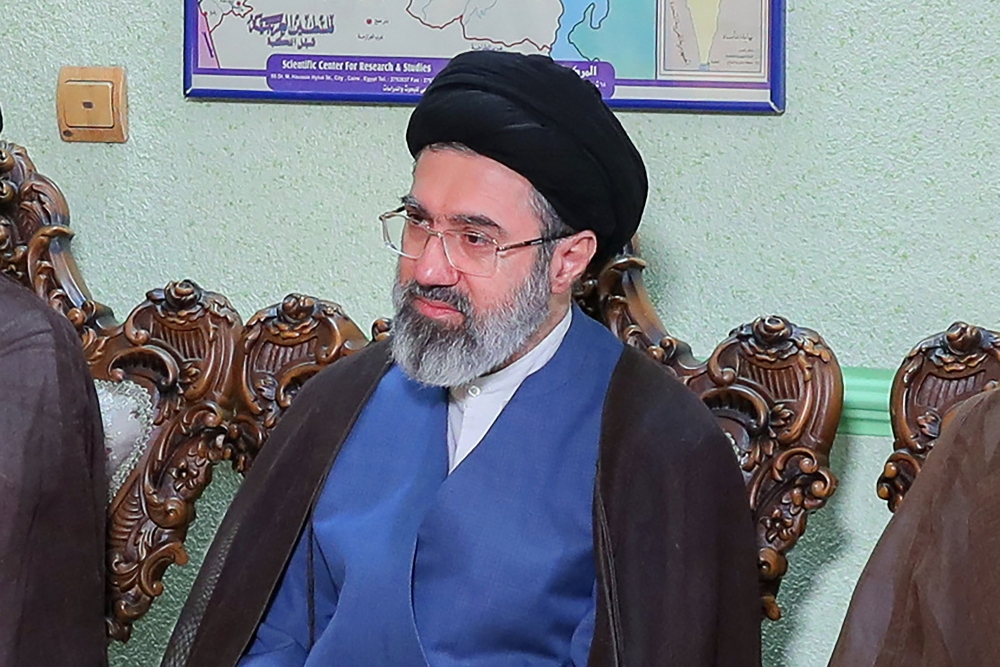
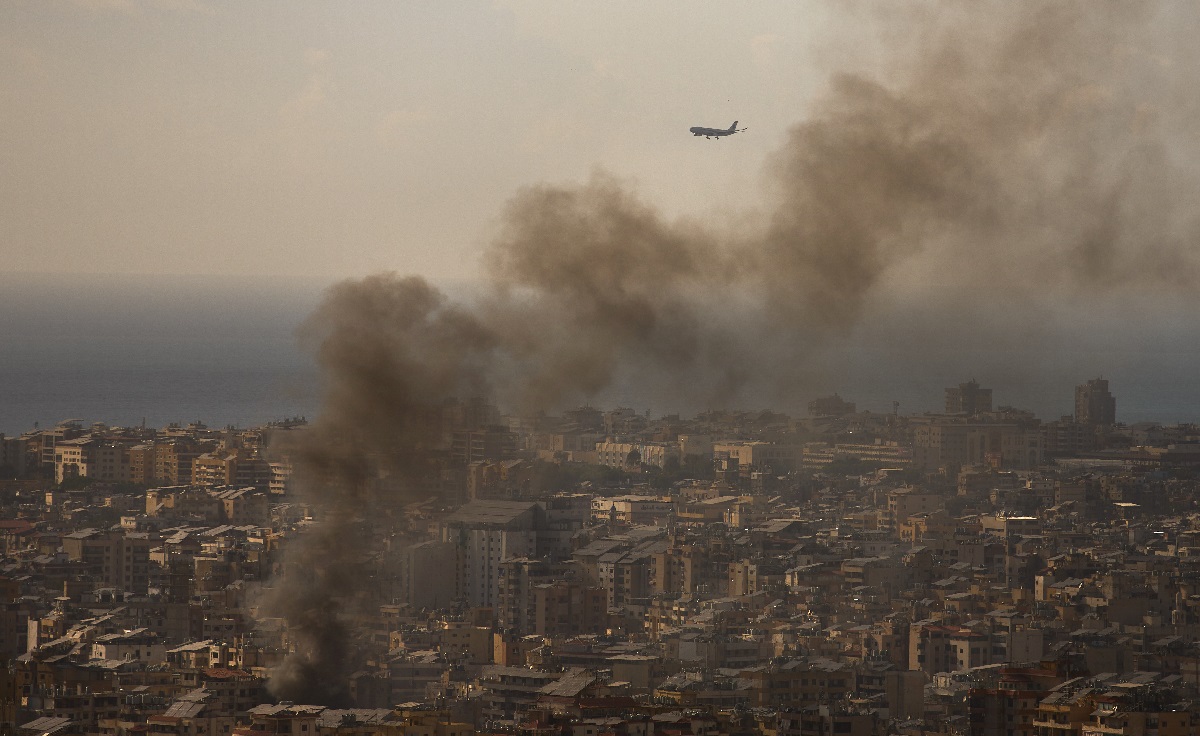
KATHMANDU: Mojtaba Khamenei has been selected as Iran’s new Supreme Leader following the death of his father, Ali Khamenei, who was reportedly killed in attacks by the United States and Israel.
The 56-year-old Mojtaba has long remained a behind-the-scenes figure in Iranian politics. Unlike many prominent leaders, he has never held a formal government position and has rarely appeared in public speeches or media interviews. Only a few photos and videos of him have surfaced over the years.
Despite his low public profile, analysts say he has quietly wielded significant influence within Iran’s power structure for years. Diplomatic cables published by WikiLeaks in the late 2000s described him as a “power behind the cloak,” while the Associated Press has portrayed him as a capable and powerful figure within the ruling establishment.
However, his appointment is likely to spark controversy. Since the Iranian Revolution ended the monarchy and established the Islamic Republic, the country’s ideology has emphasized that the Supreme Leader should be chosen based on religious authority and proven leadership rather than hereditary succession.
Ali Khamenei had never clearly spoken about a successor during his rule. Two years ago, a member of the Assembly of Experts—the body responsible for selecting the Supreme Leader—claimed that Khamenei had opposed the idea of his son becoming a future leader. Nevertheless, the elder leader never publicly addressed such speculation.
Mojtaba Khamenei was born on September 8, 1969, in the northeastern city of Mashhad. He is the second of six children of Ali Khamenei. He completed his secondary education at the religious Alavi School in Tehran. Iranian media report that at age 17 he briefly served during the Iran–Iraq War, the eight-year conflict that deepened Iran’s mistrust toward the United States and Western powers, which supported Iraq at the time.
In 1999, Mojtaba moved to the holy city of Qom to continue his religious studies, a somewhat unusual decision as he entered the seminary at around age 30—later than most clerical students. He remains a mid-ranking cleric, which could pose technical barriers to becoming Supreme Leader. However, pro-government media and officials in recent days have begun referring to him as “Ayatollah,” a title indicating higher religious authority. Observers say this may be a coordinated effort to strengthen his credentials as a legitimate leader.
Such elevation is not unprecedented. When Ali Khamenei himself became Iran’s second Supreme Leader in 1989, he was also quickly promoted to the rank of Ayatollah.
Mojtaba’s name first entered public controversy during the 2005 presidential election that brought hardline populist leader Mahmoud Ahmadinejad to power. Reformist candidate Mehdi Karroubi accused Mojtaba of interfering in the election using the Islamic Revolutionary Guard Corps and the Basij militia to support Ahmadinejad. Similar allegations resurfaced during the disputed 2009 election, which sparked the nationwide Green Movement protests.
Following that election, reformist candidates Mir-Hossein Mousavi and Mehdi Karroubi were placed under house arrest. According to reports by BBC News Persian, Mojtaba later met Mousavi in 2012 and urged him to halt protest activities.
As Iran’s new Supreme Leader, many analysts expect Mojtaba to continue his father’s hardline policies. After reportedly losing his father, mother, and wife in the recent attacks, observers say he is unlikely to yield to Western pressure.
Yet he faces enormous challenges. Mojtaba must convince Iranians that he can safeguard the future of the Islamic Republic while steering the country through severe political and economic crises. Concerns that the nation’s highest office is drifting toward hereditary rule could further fuel public discontent.
At the same time, he now faces serious personal security threats. Israel’s defense minister warned last week that whoever succeeds Ali Khamenei would be placed on Israel’s “hit list,” highlighting the dangerous geopolitical environment surrounding Iran’s new leader.