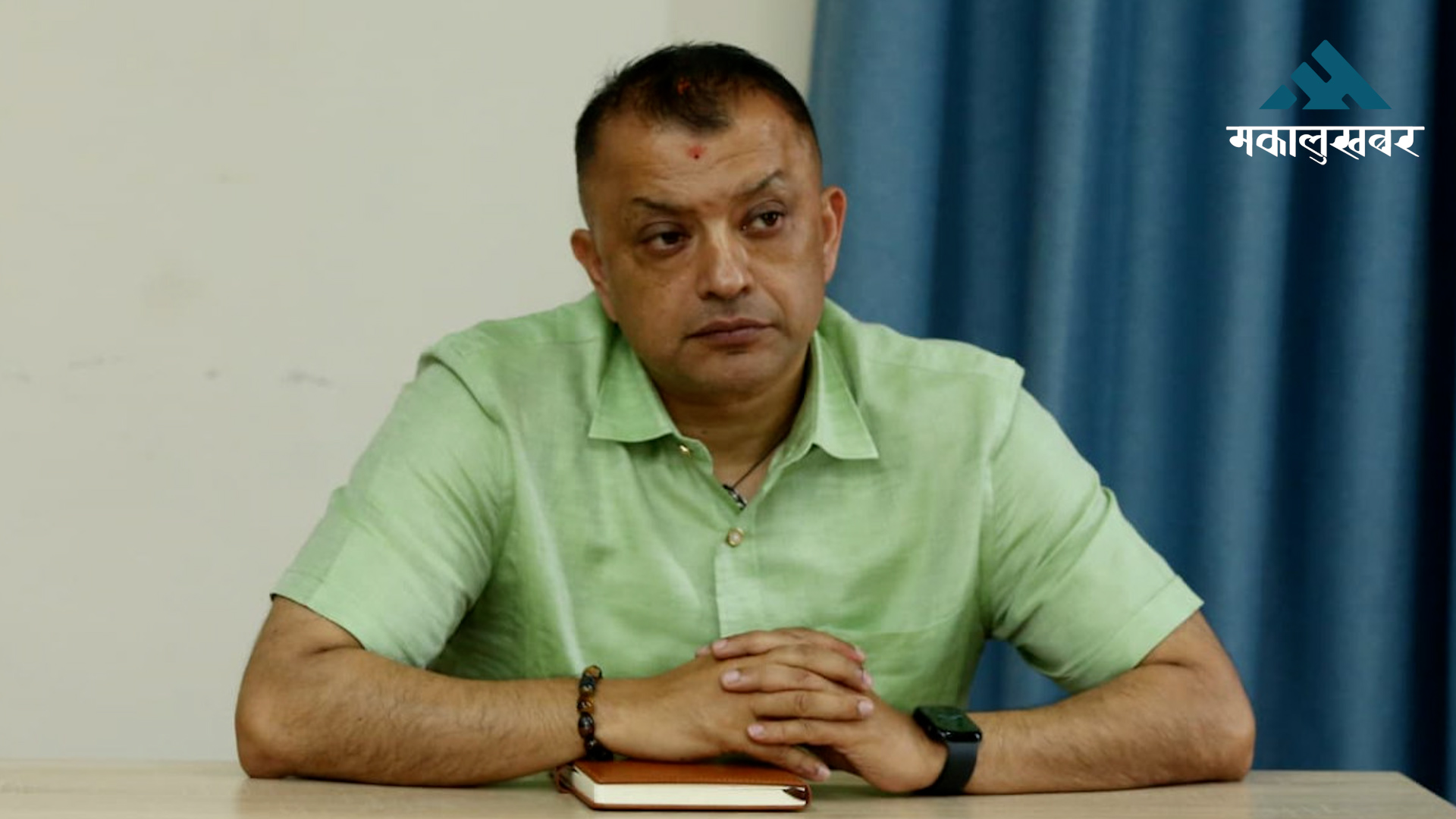
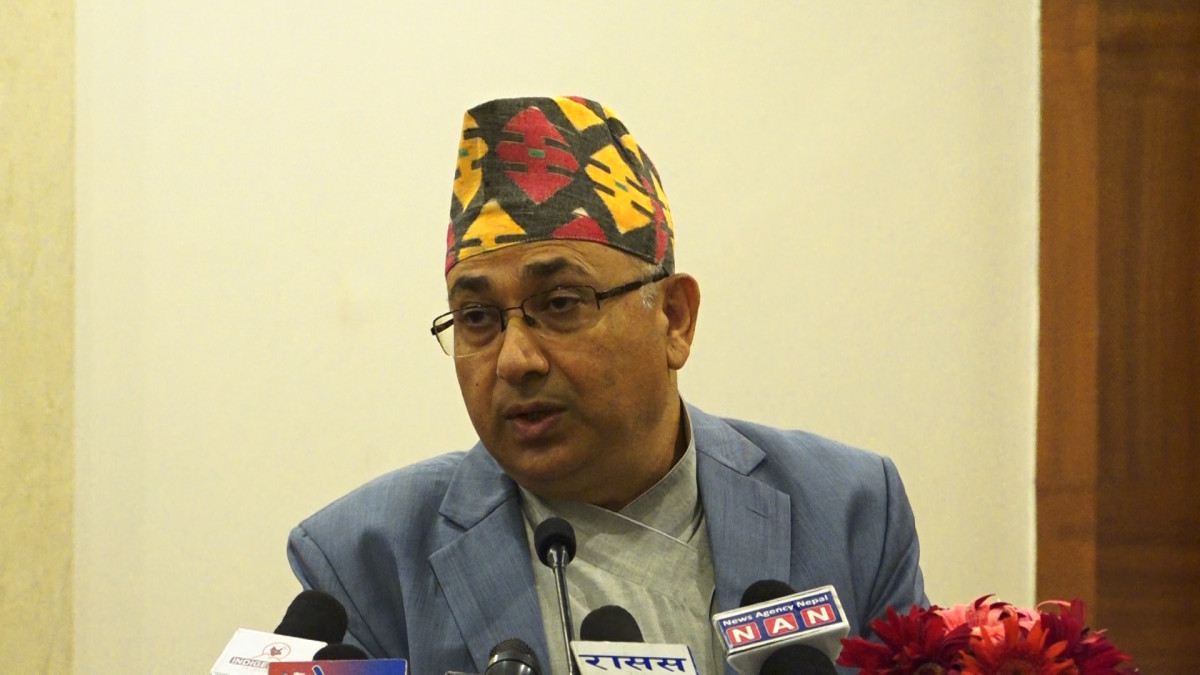
Lekhak’s testimony in Gen Z bloodshed probe puts Oli under moral pressure
While Lekhak prepares to testify, Oli has maintained an openly defiant stance toward the commission.

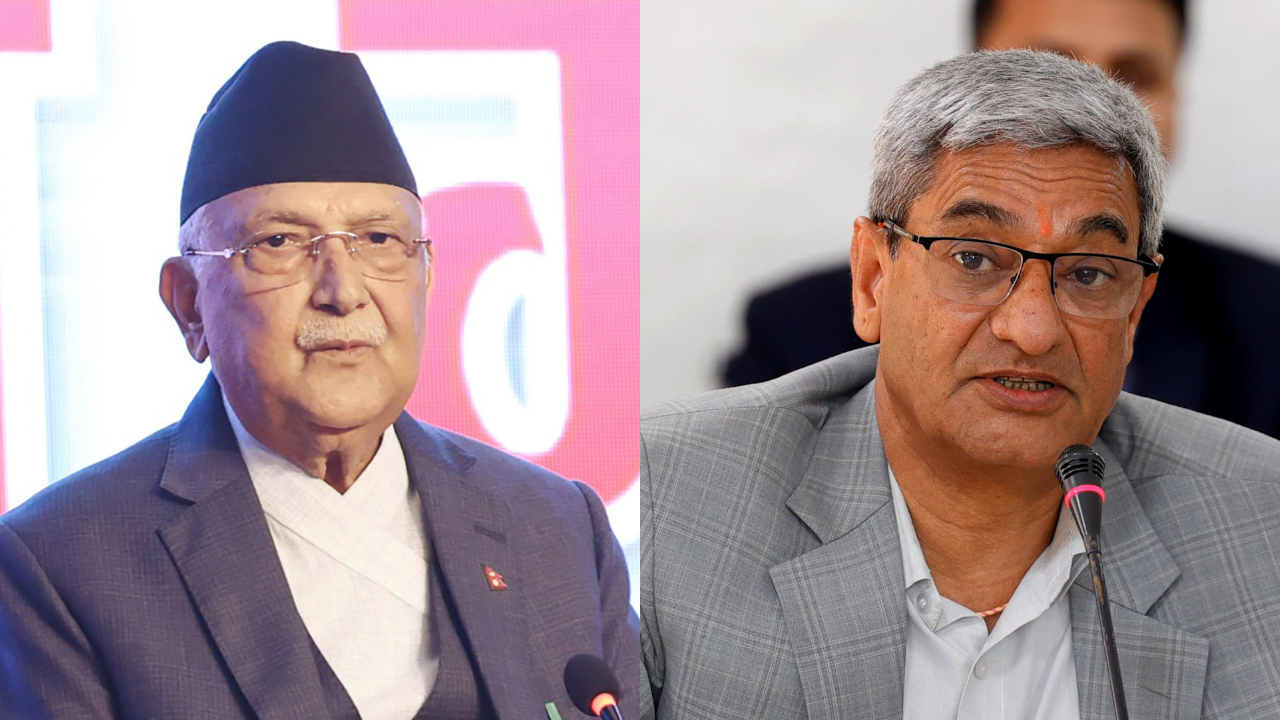
KATHMANDU: Former Home Minister Ramesh Lekhak’s decision to testify before the commission investigating the deadly Gen Z movement has triggered a fresh wave in national politics, while placing former Prime Minister and CPN-UML Chair KP Sharma Oli under intense moral and political scrutiny.
Lekhak’s move to cooperate with the probe stands in sharp contrast to Oli’s continued refusal to engage with the commission, deepening questions of accountability over one of the bloodiest episodes in recent political history.
The commission, led by former Justice Gauri Bahadur Karki, is investigating the violent crackdown on Gen Z protesters during Lekhak’s tenure as home minister, when Oli was prime minister.
On Bhadra 23, security forces opened fire after protests spiraled out of control in the New Baneshwor area, killing 19 people in a single day. According to official figures, a total of 45 people lost their lives during the movement.
After receiving a formal summons from the commission and consulting senior leaders of the Nepali Congress, Lekhak decided to appear before the panel. Speaking to journalists at the party office on Thursday, he confirmed he would present himself before the commission on Monday.
“I am deeply sensitive to the incidents that occurred during the Gen Z movement. Cooperating with the commission to bring out the truth is my responsibility,” Lekhak said. He added that he would fully disclose all facts known to him, including the decision-making process at the time and security-related directives.
Lekhak had resigned from the post of home minister on the very evening of the deadly crackdown, a gesture widely viewed as a rare example of political accountability and ethical conduct.
Oli’s Defiance and the Commission’s Dilemma
While Lekhak prepares to testify, Oli has maintained an openly defiant stance toward the commission.
Sources claim that Oli had even advised Lekhak not to appear before the panel. Oli has repeatedly challenged the commission publicly, insisting he would not go to give a statement.
According to sources, Oli recently made a sharp remark at Shital Niwas, in the presence of President Ram Chandra Paudel and Prime Minister Sushila Karki, saying, “If you want to talk to me, send people to my residence in Gundu. Say whatever you want there.” In earlier remarks, he had gone so far as to say, “You can shoot me or jail me, but I won’t go to give a statement.”
This contrasting approach by two key figures linked to the same incident—one embracing the legal process, the other evading it—has fueled debate over Oli’s political morality and respect for the rule of law, analysts say.
With Oli refusing to appear at Singha Durbar despite receiving the commission’s letter, the panel’s options have narrowed. Past precedents show that statements have been recorded at the residences of high-profile individuals due to security or health considerations.
Given Oli’s indication that he would speak only at his home, it is increasingly likely that commission members may travel to his residence in Gundu, Bhaktapur, to record his statement.