Kathmandu Medical College unveils advanced heart & EP Labs
Prof. Dr. Sahadev Dhungana of Kathmandu Medical College asserts that these advanced technologies are ushering in a new era in the treatment of intricate heart and brain disorders.

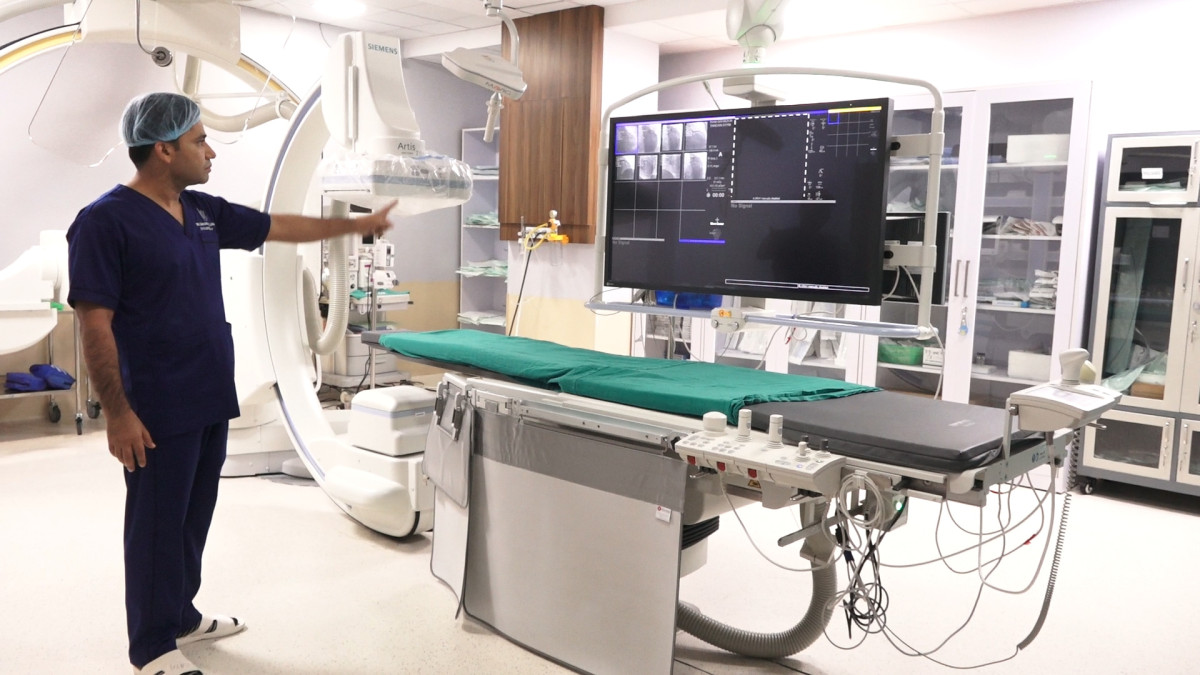
KATHMANDU: Kathmandu Medical College has brought a groundbreaking transformation to Nepal’s heart and brain healthcare with its state-of-the-art Cath Lab and newly launched Electrophysiology (EP) Lab, offering faster, safer, and minimally invasive treatments for complex cardiac conditions.
Revolution in Cardiac Care
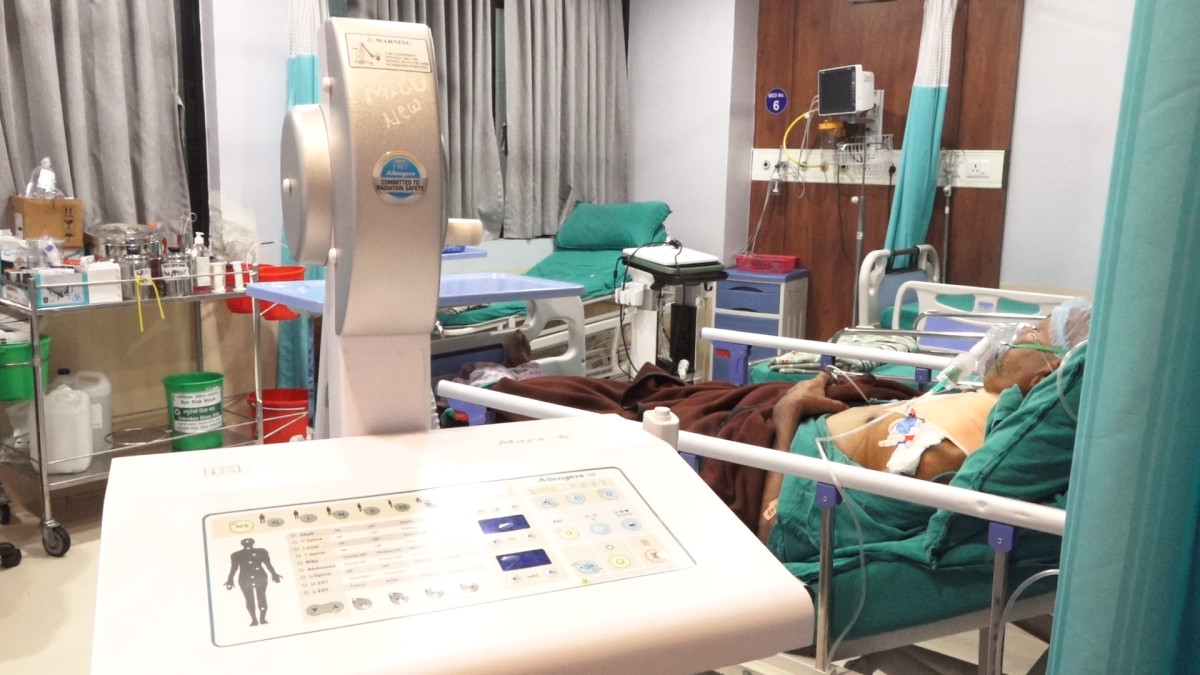
Prof. Dr. Sahadev Dhungana of Kathmandu Medical College asserts that these advanced technologies are ushering in a new era in the treatment of intricate heart and brain disorders.
According to him, procedures that previously required open-heart surgery can now be performed quickly, safely, and effectively, thanks to minimally invasive approaches.
Cath Lab: Treating the Beating Heart Without Incisions
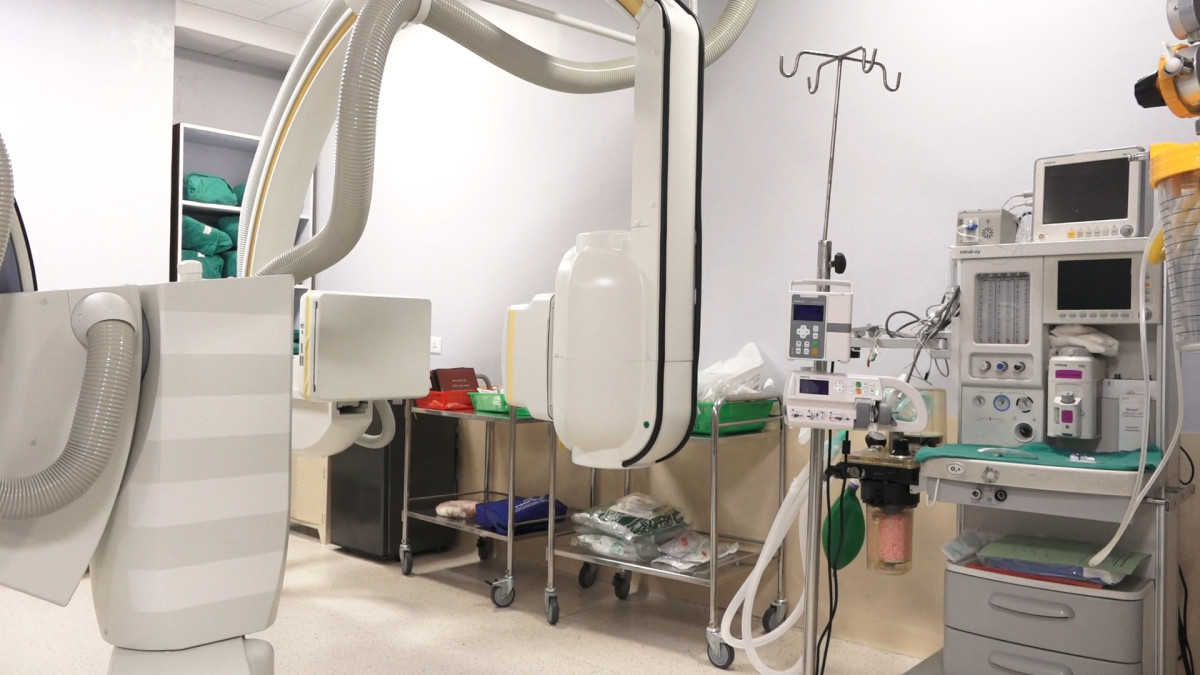
The Cath Lab uses specialized X-ray technology to diagnose and treat heart and vascular conditions while the heart is beating.
Dr. Dhungana explained that through a small needle inserted into the patient’s arm or leg under local anesthesia, a catheter is guided to the heart’s vessels, enabling precise treatment of conditions like blocked arteries, congenital heart defects, valve stenosis, and other complex heart diseases.
“It’s like taking a live X-ray of the whole body from chest to legs,” Dr. Dhungana explained. “Through a single needle, a catheter reaches the heart, allowing us to treat complex conditions safely without traditional surgery.”
Bi-Plane Technology: Dual Imaging, Less Risk
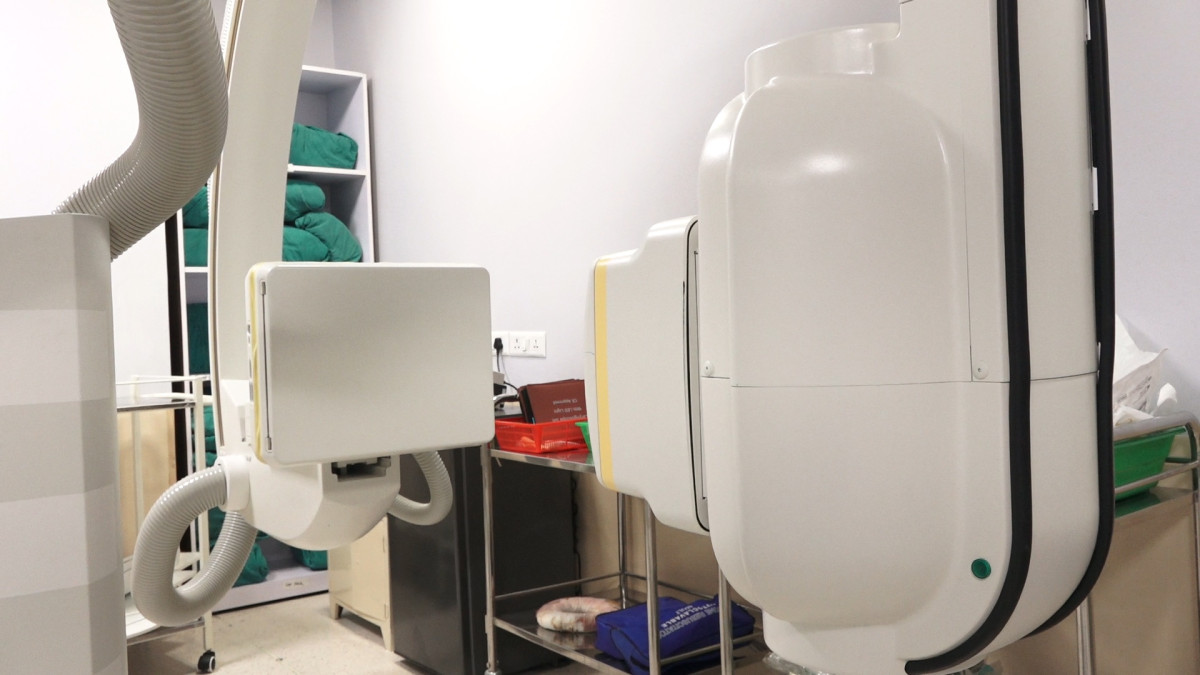
Kathmandu Medical College’s bi-plane cath lab can capture two images simultaneously, reducing the need for contrast dye and radiation exposure. This minimizes the risk to the kidneys and makes the procedure more efficient for physicians.
Introduced to Nepal nearly a decade ago, the bi-plane Cath Lab has been operational at Kathmandu Medical College for over three years, enhancing patient safety and comfort while saving valuable time.
Critical Timing in Heart Attacks
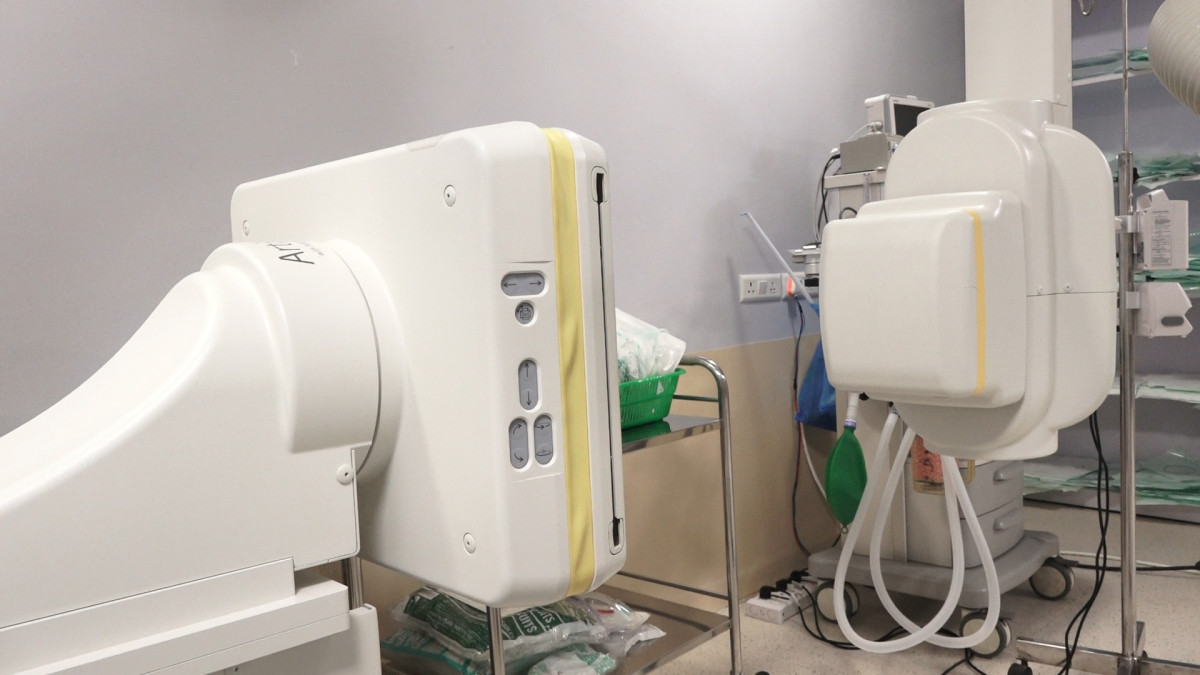
Dr. Dhungana emphasized that time is critical during a heart attack. If blocked arteries are reopened within 1–2 hours, heart function can return to normal. Delays can result in permanent muscle damage. Through angiography and immediate stenting, the Cath Lab ensures rapid and life-saving intervention.
Expanding Access in Nepal
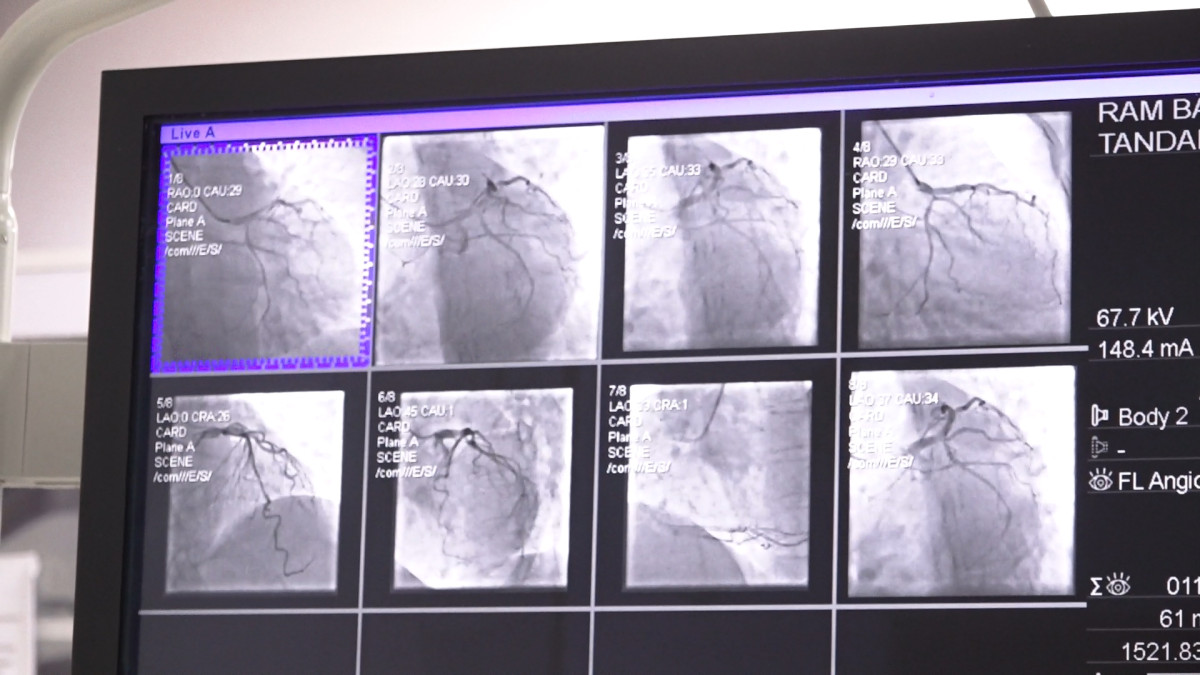
In just three years, Kathmandu Medical College has performed 150–160 angioplasties, with 3–4 angiographies conducted daily. The hospital provides significant financial support for patients under government insurance and low-income groups, ensuring access even for rural populations.
EP Lab: Addressing Electrical Heart Disorders
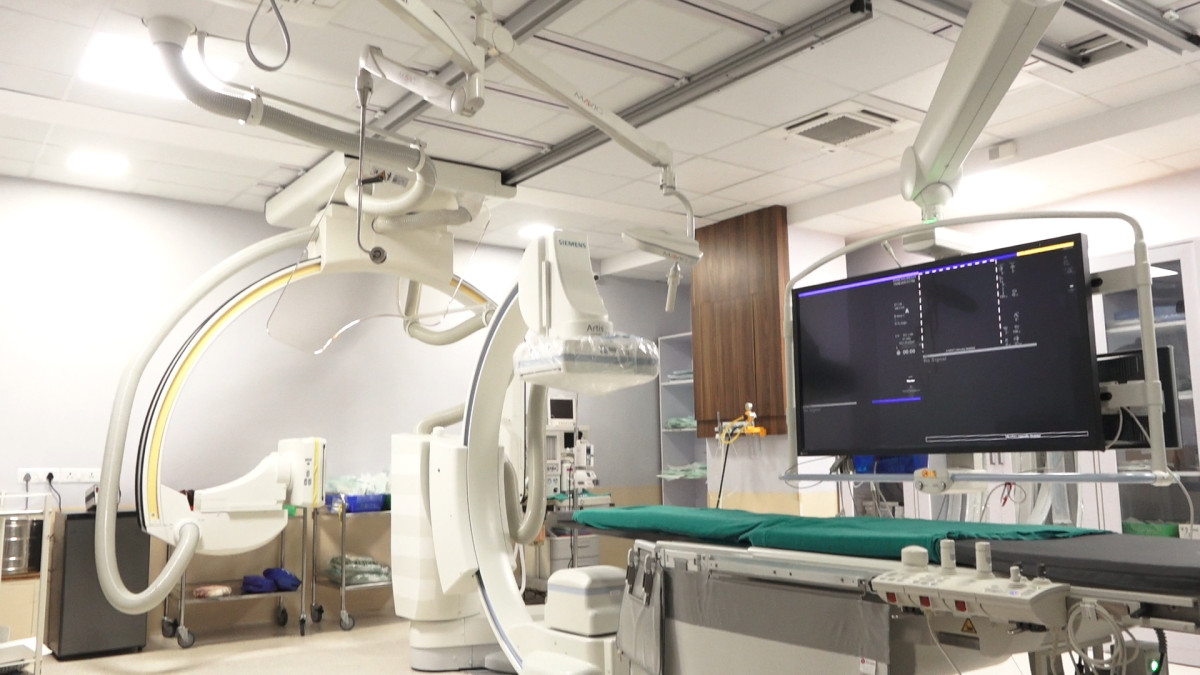
The newly established Electrophysiology (EP) Lab in Nepal addresses arrhythmias, palpitations, dizziness, and fainting caused by abnormal electrical signals in the heart. Through specialized catheters, unwanted electrical pathways are identified and safely ablated using radiofrequency energy, restoring normal heart rhythm.
Dr. Dhungana highlighted that while Cath Labs handle structural heart issues, EP Labs are essential for diagnosis and treatment of electrical heart disorders. Currently, only 4–5 hospitals in Nepal offer this facility, making it a rare and vital service.
A Safer, Faster, and More Affordable Future
With the integration of Cath and EP Labs, Kathmandu Medical College has set a new benchmark in Nepalese healthcare, offering minimally invasive, cost-effective, and high-quality treatment for complex cardiac and brain conditions.
Patients can now undergo life-saving procedures with less fear, shorter recovery times, and improved outcomes.