Jhapa-5 emerges as epicenter of election debate
From political circles to social media platforms, and from tea shops to intellectual forums, discussions around “Oli or Balen?” dominate public discourse.

KATHMANDU: As Nepal heads toward the House of Representatives election scheduled for Falgun 21 (March 5), Jhapa Constituency No. 5 has emerged as the most talked-about electoral battleground in the country.
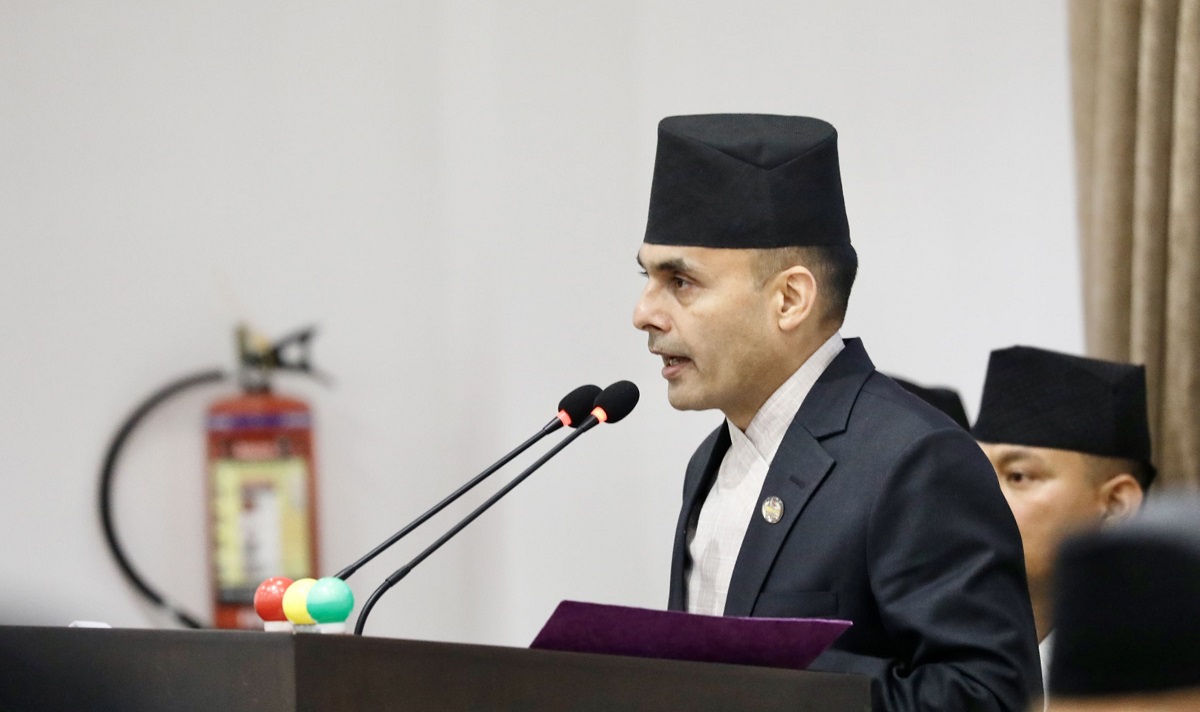
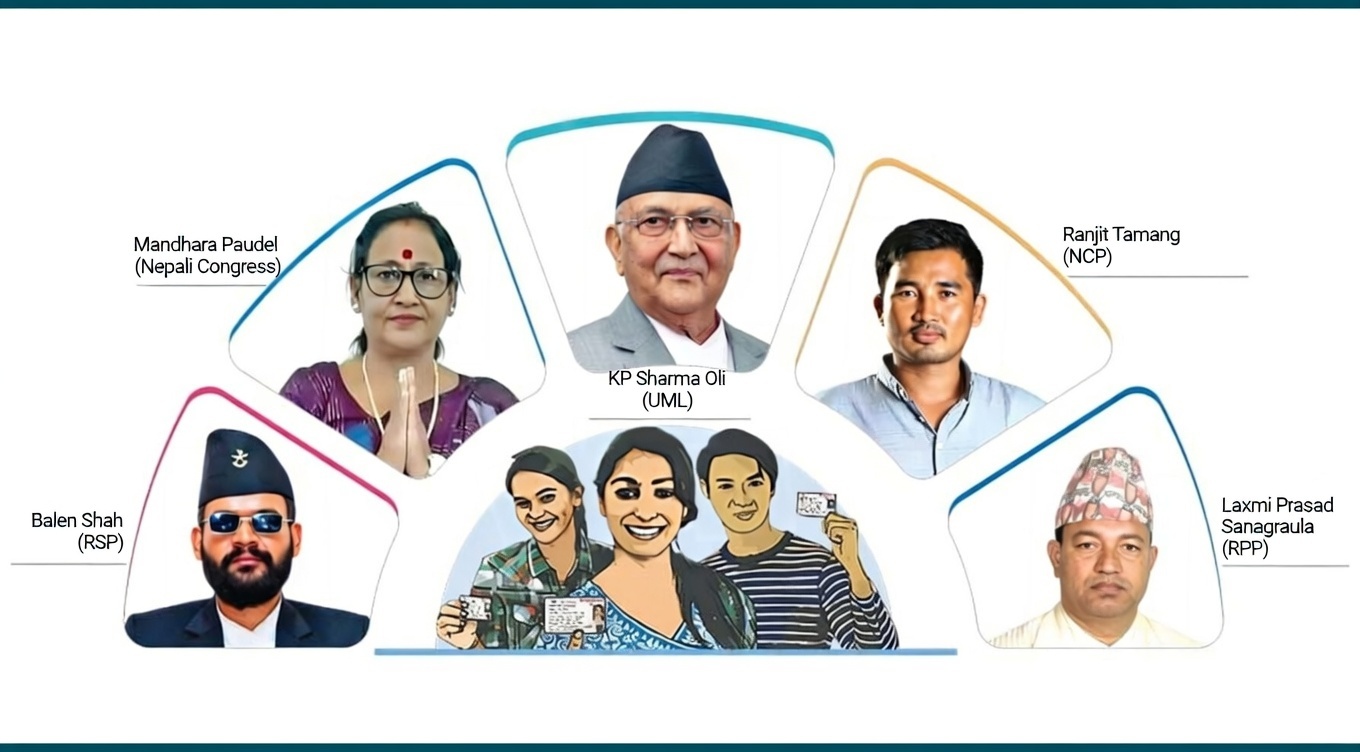
The constituency has drawn national attention following the candidacies of CPN-UML Chair and former Prime Minister KP Sharma Oli and senior Rastriya Swatantra Party (RSP) leader and former Kathmandu Metropolitan City Mayor Balen Shah.
With both parties projecting their candidates as potential future prime ministers, the contest has elevated Jhapa-5 into a focal point of national political debate.
From political circles to social media platforms, and from tea shops to intellectual forums, discussions around “Oli or Balen?” dominate public discourse.
While the rivalry has energized voters and divided public opinion, the constituency is witnessing a serious and competitive race involving several other candidates as well.
As a result, the election in Jhapa-5 is being viewed not merely as a local contest, but as a decisive battle that could influence the future political direction of the country.
On one side stands Oli, backed by decades of political experience and a strong party organization.
On the other is Balen Shah, widely seen as a symbol of youth aspiration, rebellion against traditional politics, and urban popularity.
Following his candidacy registration, Oli spent four days in Jhapa mobilizing party structures, meeting party cadres, addressing election rallies, and participating in door-to-door campaigns to convey his message to voters.
Balen Shah, meanwhile, briefly visited the constituency after filing his nomination.
According to RSP constituency chairperson Bhesraj Bhattarai, Shah spent two days meeting supporters at the party’s contact office in Damak-5 before returning. Bhattarai said the party has since intensified its door-to-door campaign.
Unlike traditional candidates, Shah has not yet organized large public rallies, delivered formal speeches, or released an official manifesto.
Instead, he has drawn attention through short interactions with visitors, collecting suggestions, and engaging directly with people. Party leaders say Shah is expected to announce formal programs and speak publicly in the coming days.
The RSP’s strategy centers on social media outreach, direct engagement with young voters, and a strong narrative of political change.
“People want change, and they see that change in Balen,” Bhattarai said.
While the Oli–Balen contest dominates headlines, 22 other candidates are actively campaigning in Jhapa-5 with their own agendas, ideas, and commitments.
Congress Fields Female Candidate
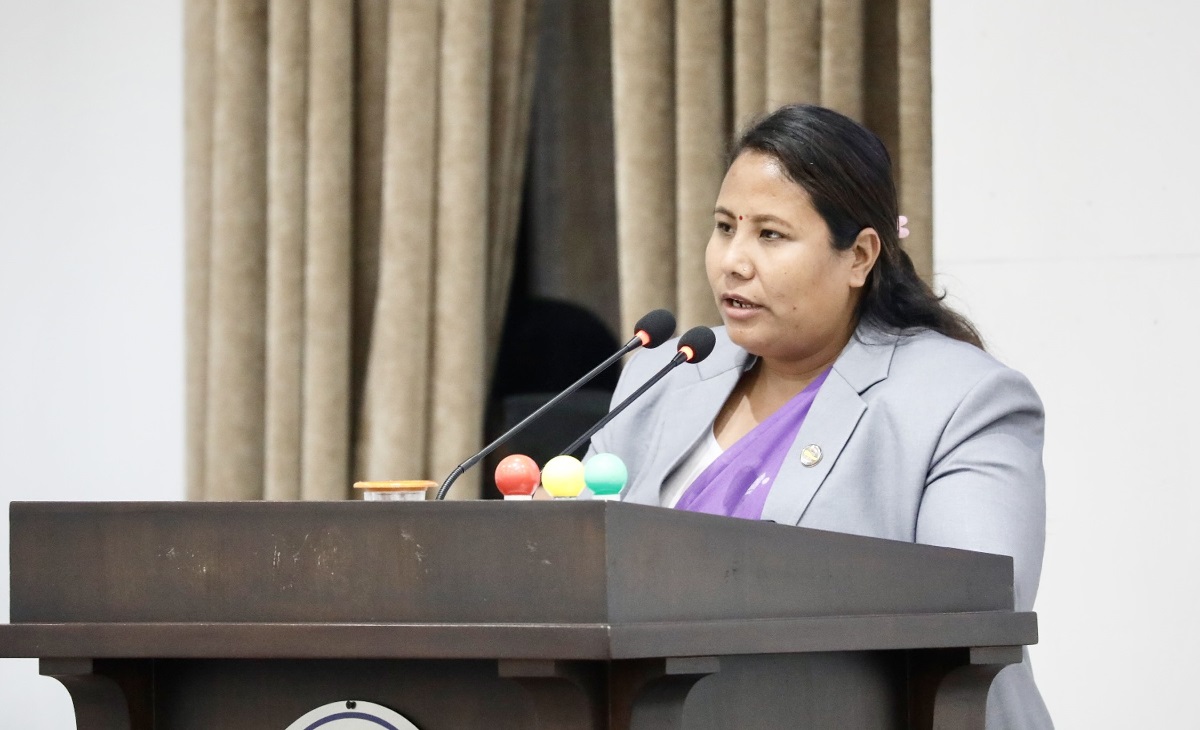
The Nepali Congress has fielded Mandhara Paudyal as its candidate.
According to constituency chairperson Dhundiraj Bhandari, the party is experiencing a positive electoral environment following internal reforms.
He claimed party activities have become more dynamic since youth leader Gagan Thapa assumed the party presidency. “Among the major parties, Nepali Congress is the only one to field a female candidate in this constituency,” Bhandari said.
The Congress campaign focuses on women’s leadership, social justice, employment, education, and healthcare.
Other Candidates in the Race
From the Communist Party of Nepal, central committee member Ranjit Tamang is contesting the election. Emerging from student politics, Tamang has prioritized youth aspirations, ideological clarity, and an alternative economic policy as his core agenda.
The Rastriya Prajatantra Party (RPP) has also entered the race after not fielding a House of Representatives candidate in the constituency for three consecutive elections. RPP candidate Laxmi Prasad Sangraula said party cadres are highly enthusiastic this time.
Additionally, candidates from the Shram Sanskriti Party, including Sameer Tamang, along with several independent candidates, are actively campaigning. In total, 24 candidates are competing in Jhapa-5.
The constituency has 163,379 registered voters, including nearly 10,000 newly added voters, making it a crucial and closely watched electoral arena as Nepal approaches the polls.