Heatwave alert issued for 14 Terai districts as temperatures soar above 40°C
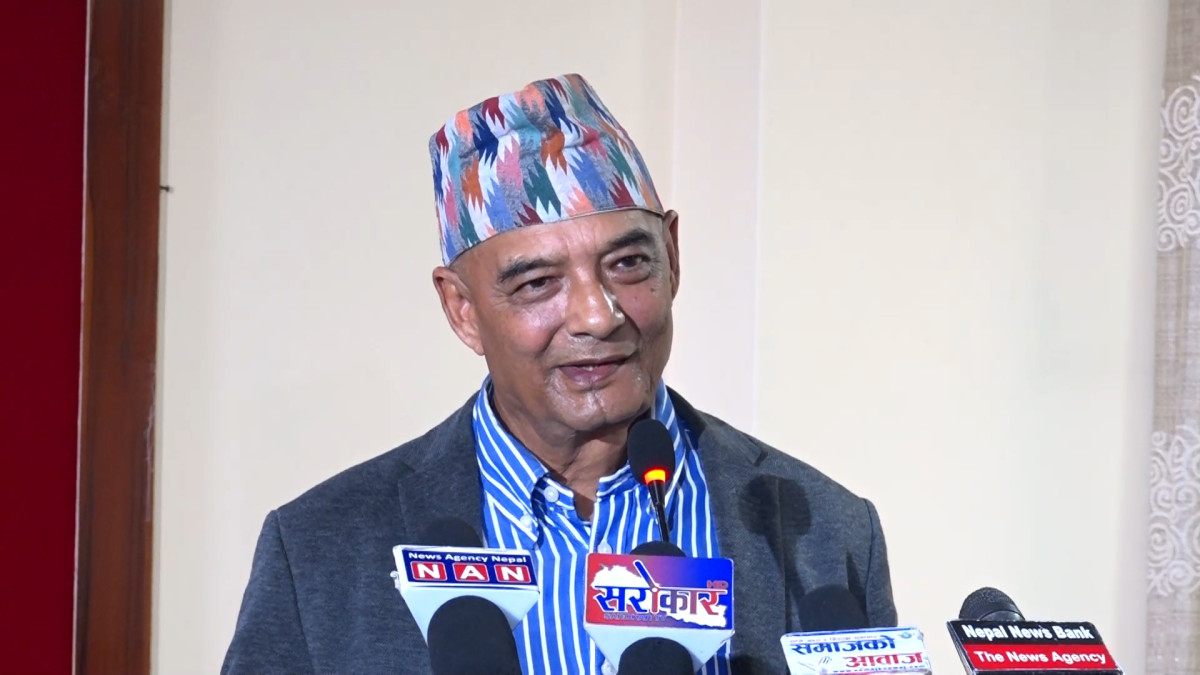
Meteorologist Saroj Pudasaini said that Bhairahawa recorded the highest temperature of 41°C on Thursday, while Nepalgunj reached 40°C.


KATHMANDU: Department of Hydrology and Meteorology (DHM) has issued a special heatwave bulletin, urging residents in several Tarai districts to take precautionary measures as temperatures continue to rise across the country.
The Meteorological Forecasting Division released the bulletin at 4:00 PM on Thursday, warning that maximum temperatures could reach 38°C or higher in parts of the Terai region of Koshi, Madhesh, Bagmati, Gandaki, Lumbini, and Sudurpashchim provinces over the next three days.
Meteorologist Saroj Pudasaini said that Bhairahawa recorded the highest temperature of 41°C on Thursday, while Nepalgunj reached 40°C.
According to the division, parts of Madhesh and Lumbini provinces are likely to experience a moderate heatwave during the next three days.
Meanwhile, some areas in the Terai belt of Koshi, Bagmati, Gandaki, and Sudurpashchim provinces are expected to witness unusually hot days.
The department has advised residents to remain vigilant as prolonged exposure to extreme heat can pose serious health risks.
Districts Under Heatwave Alert
The DHM has urged people in Bardiya, Banke, Dang, Kapilvastu, Rupandehi, Nawalparasi West, Parsa, Bara, Rautahat, Sarlahi, Mahottari, Dhanusha, Siraha, and Saptari to stay alert due to the possibility of hot winds and heatwave conditions.
Residents of Kanchanpur, Kailali, Nawalparasi East, Chitwan, Sunsari, Morang, and Jhapa have been advised to stay updated with the latest weather bulletins.
Health Risks and Safety Measures
The department warned that hot winds and heatwaves can cause fatigue, weakness, excessive thirst, headaches, muscle cramps, dizziness, fainting, body aches, and vomiting.
To minimize health risks, people are advised to stay indoors or in cool places during the hottest hours of the day, avoid unnecessary outdoor activities and direct sunlight, and wear light-colored cotton clothing.
The department also recommended covering the head with a hat when outdoors, drinking plenty of water and fluids such as juice and sherbet, and seeking medical advice if any heat-related health problems occur.