‘Hearing word ‘mom’ still startles me’
Her son, Dipesh, will never return; he was killed in the Gen Z protests on Bhadra 23. Yet, in her heart, hope refuses to vanish.

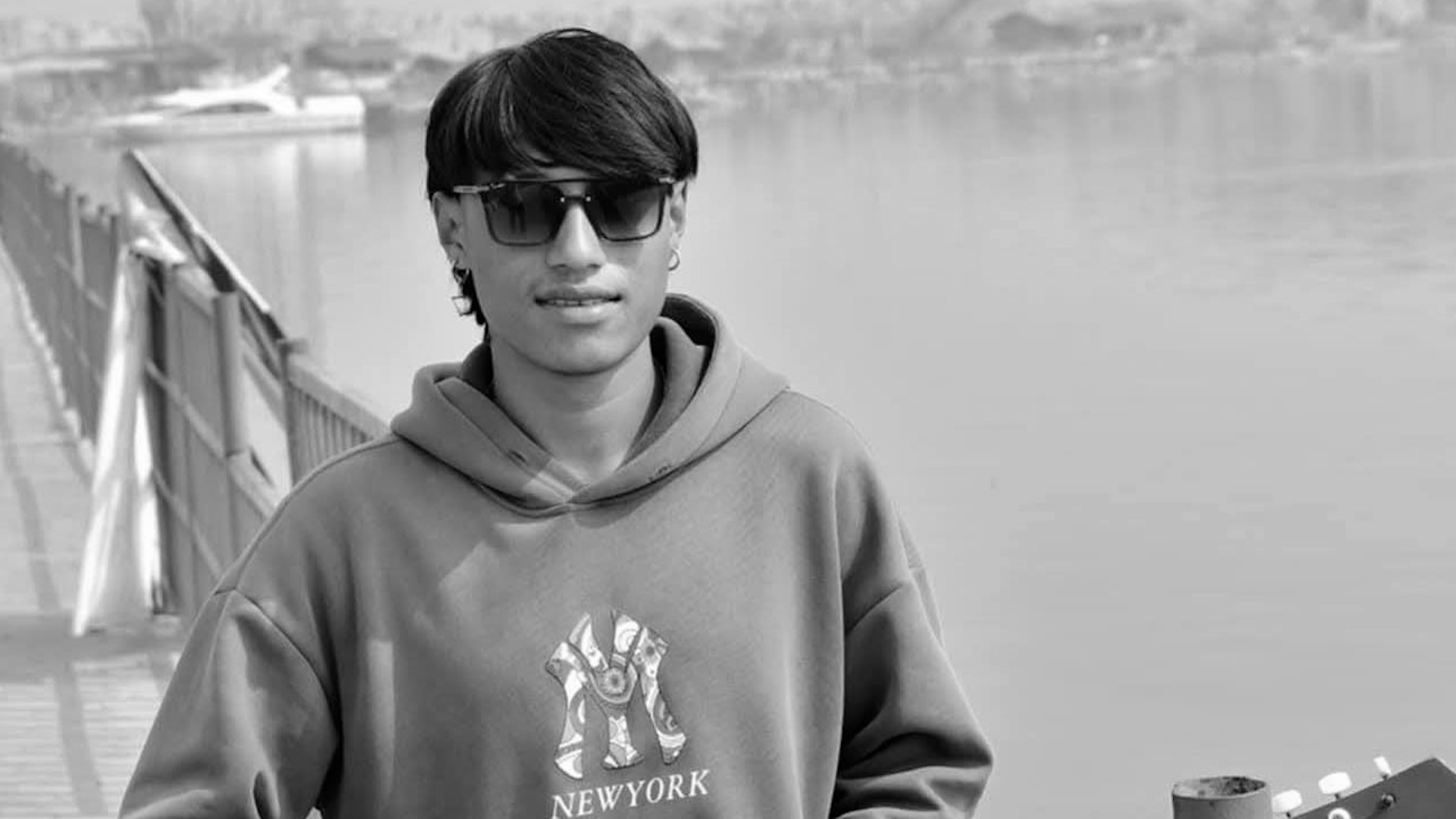
KATHMANDU: Bhimmaya Sunuwar still hears her son’s voice when someone calls “Mom” in the neighborhood. Her ears perk up, her eyes search the doorway—but it is only a fleeting dream.
Her son, Dipesh, will never return; he was killed in the Gen Z protests on Bhadra 23. Yet, in her heart, hope refuses to vanish.
Festivals bring the pain sharply. Dashain and Tihar have come and gone, but Dipesh will not be there for the celebrations. The smell of meat, which he loved, brings back memories that make Bhimmaya weep. “Even after roasting two slabs of pork, I still hear him calling ‘Mom’,” she says, her voice trembling.
The Unknown Caller
On Bhadra 23 (Sept 8), news spread across Nepal that dozens of protesters had been killed when police opened fire in New Baneshwor. Bhimmaya could not reach Dipesh despite repeated calls.
At 1 p.m., he informed her that he was participating in the protest and would call her back by 6 p.m. She had begged him not to go, but he did not listen. When the protest escalated, panic gripped her.
After 6 p.m., an unknown voice called Bhimmaya, saying they had found her son’s phone in Baneshwor and would return it. Fear chilled her.
Together with neighbors, she retrieved the phone, only to learn from Dipesh’s friend in Kathmandu that he had been shot. For three days, she had no news. Finally, she traveled to Kathmandu herself to search for him.
With the help of paragliding pilot Sanobabu Sunuwar and activist Aashika Tamang, Bhimmaya visited hospitals across the valley.
After a week, with the assistance of a doctor at Tribhuvan University Teaching Hospital, she identified her son’s body in the morgue. Confusion remains over which hospitals treated him during his final hours.
A Beloved Son, A Helping Hand
Dipesh was born on Falgun 17, 2063 B.S., in Valayodanda-6, Sindhuli, during a heavy rainstorm. Despite poverty and hardship, his father, Dhalak Bahadur Sunuwar, recalls the joy of their first child. Dipesh was dependable, kind, and respected by all. “If someone needed a ride on a motorcycle, he was always first to help,” his father recalls. “He could be trusted to handle anything. The village boys loved him like a close friend.”
Dipesh completed his School Leaving Certificate (SLC) and came to Kathmandu a year before his death to work on house construction. When contractors failed to pay him, he returned home temporarily.
He had plans to work abroad to earn more money, but also wished to be home during the festivals. “He often sent money for household expenses, like cooking oil,” Bhimmaya says.
His younger brother, Dinesh, continues to feel Dipesh’s absence sharply. Even playing mobile games no longer brings him joy. Their father, Dhalak Bahadur, who works three months a year in Kathmandu to support the family, has lost the will to continue his labor since his son’s death.
Support and Legacy
The family received Rs 25,000 from the local government for funeral expenses.
Following the government’s announcement of Dipesh as a ‘Gen Z Good Governance Warrior – 2082,’ they were granted Rs 1.5 million in financial assistance. Local leaders, including the ward chair and village chief, have visited to console the family.
Bhimmaya’s sole wish is for the government to ensure a dignified life for families of martyrs and to fulfill the promises of good governance and anti-corruption for which her son and others gave their lives.
She hopes no one else will lose a child to protests, and that the state will provide both respect and support to the families of the fallen.