Guthi Sansthan gears up to make Shivaratri grand & dignified
The institution has allocated Rs 3.2 million for managing the festival and an additional Rs 800,000 for the purchase of firewood.

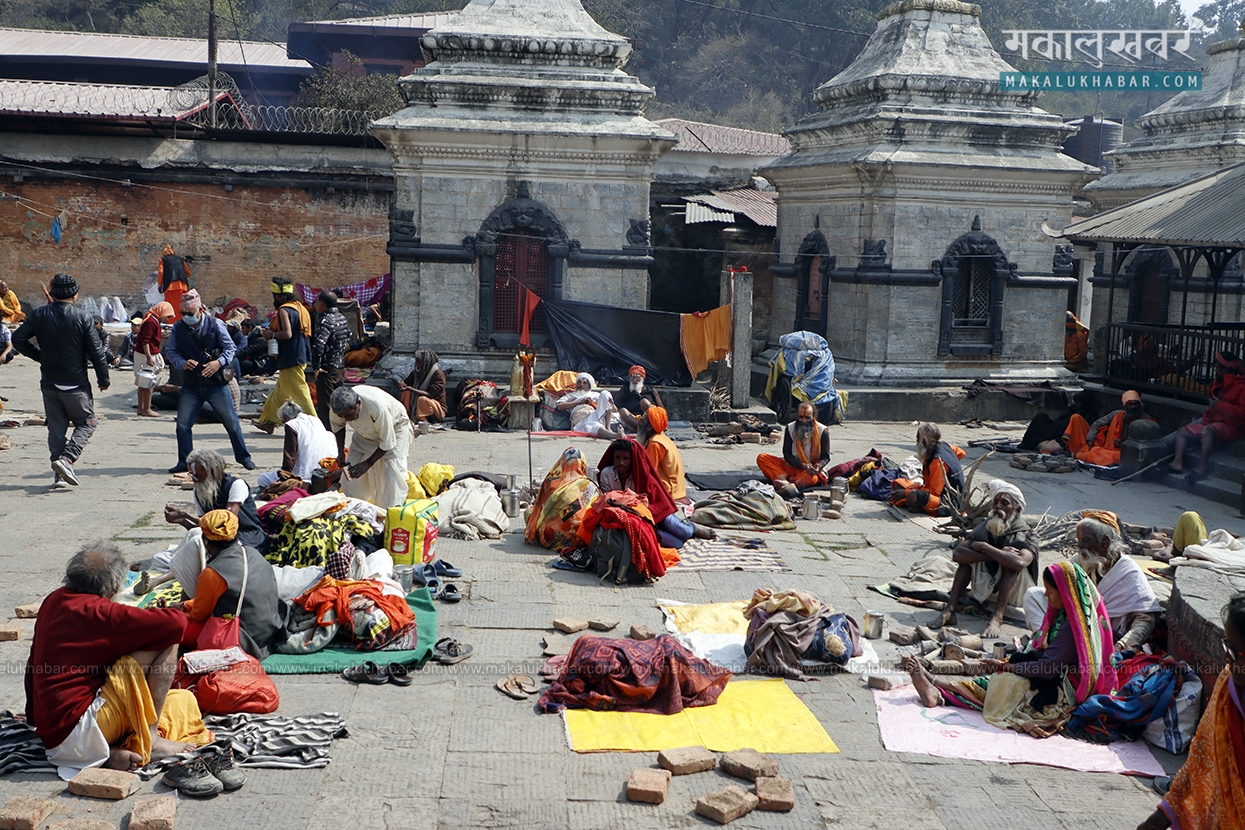
KATHMANDU: Guthi Sansthan is making final preparations to observe this year’s Maha Shivaratri festival in accordance with age-old traditions, celebrating the occasion over five days from Feb 13 to 17.
Addressing a press conference on Tuesday, Guthi Sansthan spokesperson Janak Pokharel said the institution will arrange food, firewood for dhuni (sacred fire), and dakshina for sadhus and saints residing in akharas (ascetic shelters) located around the Pashupatinath Temple and other Shiva shrines across the country throughout the festival period.
He informed that Guthi Sansthan, through its Pashupati branch office and Kathmandu branch, will manage arrangements at various monasteries, temples, and akharas within the Pashupati area, as well as at Thapathali and other designated locations.
“Our primary responsibility during Maha Shivaratri is to serve the sadhus and saints who come as part of the tradition,” Pokharel said. “This includes providing firewood for the dhuni, traditional meals, and offering dakshina before their formal departure. Preparations are underway accordingly.”
According to the festival schedule, on Feb 13, offerings to be presented to sadhus on behalf of the Head of State will be taken to the Office of the President for formal sankalpa (ritual resolve). The offerings will include 21 types of items, such as blankets, shawls, woollen clothing, yak-tail fans (chamar), kamandalu, bells, water vessels, silk garments (pitambari), rudraksha malas, basmati rice, black lentils, ghee, turmeric, cumin, salt, potatoes, spinach, curd, fruits, garlands, and coins for sida.
On Feb 14, meals will be arranged for sadhus present within the Pashupatinath temple premises through the Annapurna Ashram.
Similarly, food and firewood will be provided to sadhus staying at other akharas and religious sites in the Kathmandu Valley, including Ram Mandir, Bhasmeshwar Akhara, Nirmal Akhara, Mrigasthali Gorakhnath Akhara, Bankali Akhara, and akharas of Bairagi, Udasi, Sanyasi, and Gorakhnath sects in the Thapathali area, as per the arrangements fixed by the institution.
On Feb 15, the main day of Maha Shivaratri, Guthi Sansthan will offer panchamrit along with other ritual materials at the Pashupatinath Temple.
In the evening, oil lamps will be lit around the temple premises. On the same day, sadhus present in the Pashupati area will be provided with curd, fruits, and firewood for lighting the dhuni.
On Fwb 16, the day following Shivaratri, arrangements will again be made for meals and firewood for sadhus at the temple premises and other akharas. On Feb 17, sadhus will be served breakfast and formally bid farewell with dakshina as per the prescribed rates.
The institution has allocated Rs 3.2 million for managing the festival and an additional Rs 800,000 for the purchase of firewood.
Spokesperson Pokharel said that around 50,000 kilograms of firewood were used during last year’s Shivaratri, and a similar quantity has been arranged this year based on the same assessment.
Guthi Sansthan Administrator Shailesh Raj Kunwar stated that, drawing lessons from last year’s experience, the management of sadhus during this year’s Maha Shivaratri will be made more systematic and efficient.
Guthi Sansthan has been continuously conducting major religious festivals and rituals under royal endowments (Rajguthi) in line with tradition.
These include Maha Shivaratri, Indra Jatra, Bisket Jatra, the Rato and Seto Machhindranath Jatras, Hadigaun Chokten Narayan Jatra, the Ram–Sita Vivah Mahotsav in Janakpur, Ram Navami Mahotsav, the Manakamana festival in Gorkha, and several other traditional festivals and worship rituals across the country.