Gen Z protests cause Rs 8B loss, private sector demands security guarantees
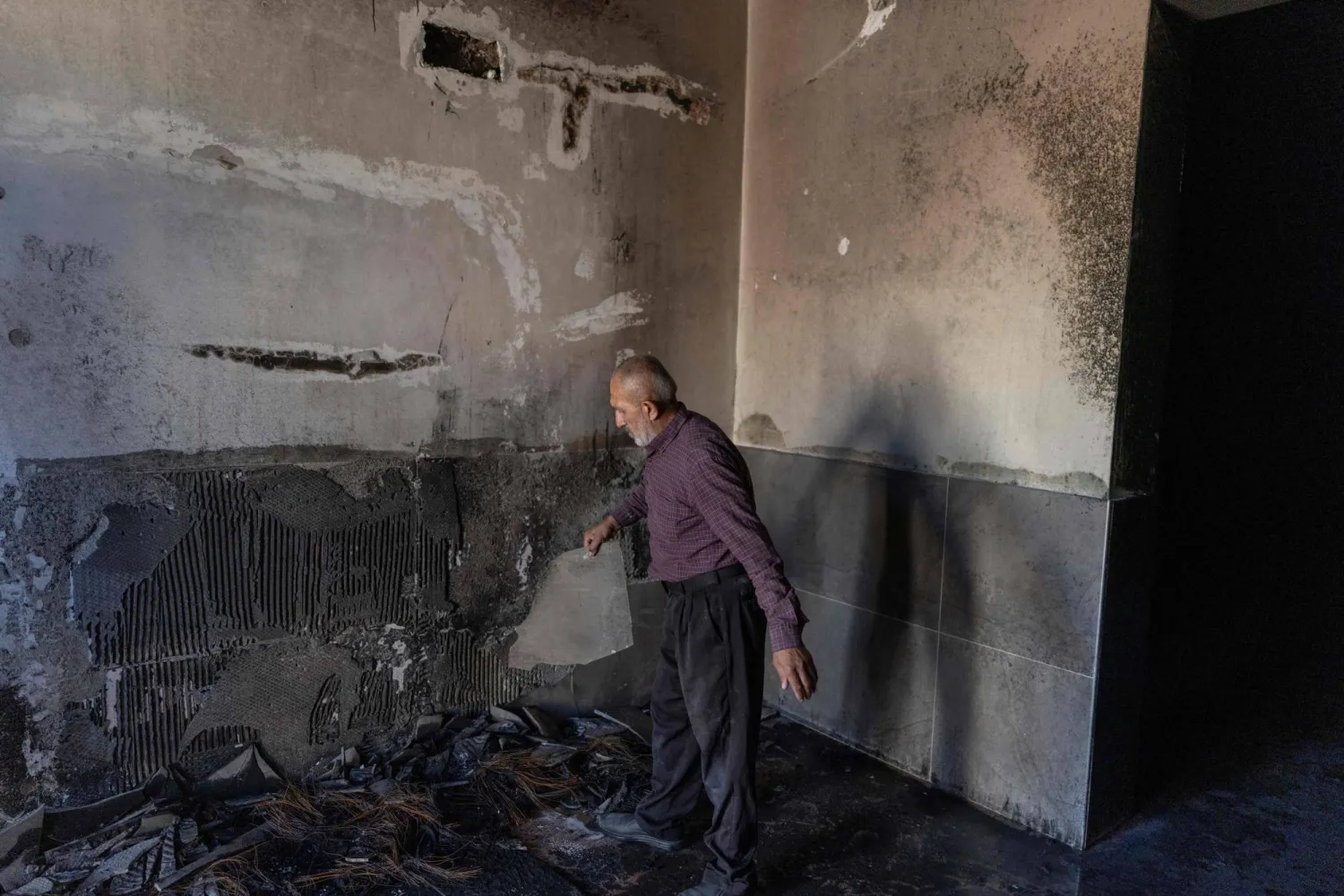
Businesses and investors have reported losses amounting to approximately Rs 8 billion, with large industries, commercial structures, and personal properties targeted during the unrest.

KATHMANDU: The private sector, a key driver of Nepal’s economy, faced its biggest blow during the Gen Z protests on Sept 23–24.
Businesses and investors have reported losses amounting to approximately Rs 8 billion, with large industries, commercial structures, and personal properties targeted during the unrest.
The attacks have shaken investor confidence and raised serious concerns about Nepal’s investment environment without guaranteed security.
Industry leaders warned that ensuring peace and safety is now the country’s foremost challenge.
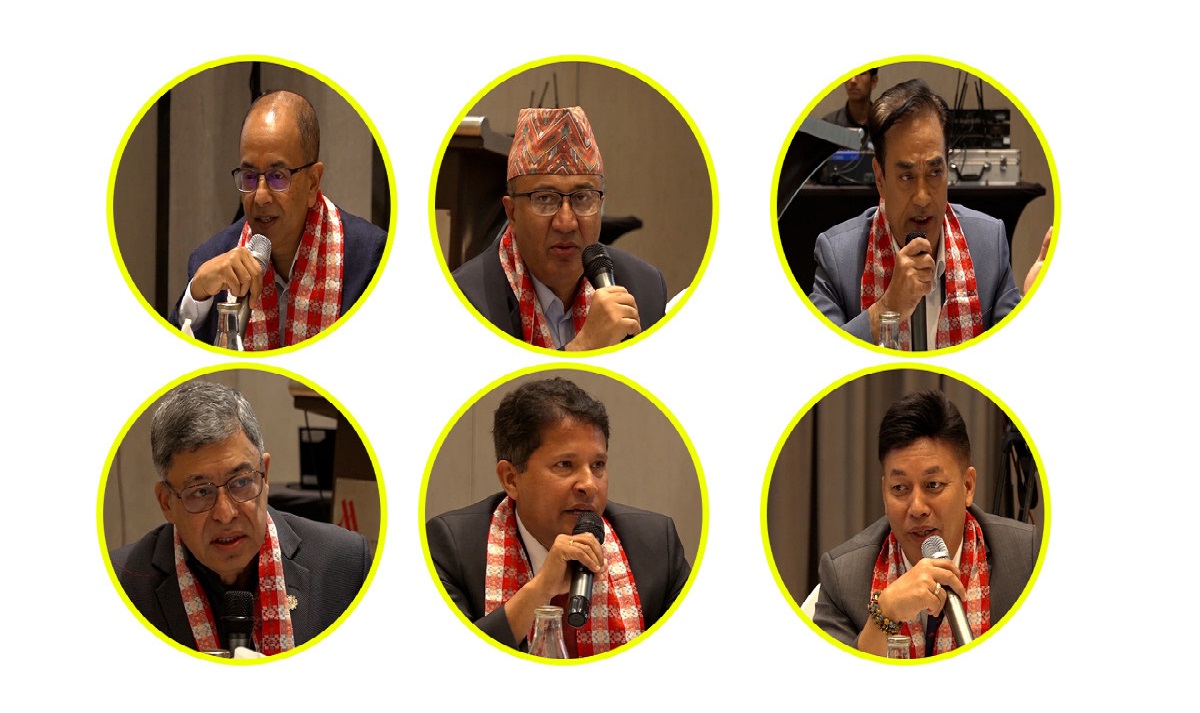
Speaking at a program organized by the Nepal Economic Journalists’ Forum on the future of economic recovery, representatives from tourism, industry, automobile, and insurance sectors emphasized that no sector can thrive without security guarantees.
Vice President of the Federation of Nepalese Chambers of Commerce and Industry (FNCCI), Hemraj Dhakal, said the protests undermined business security and discouraged investors. “We have engaged in dialogue with the government after the unrest. While we are trying to move forward cautiously, there is no guarantee that such destruction won’t happen again. The government must provide security assurances,” he said.
FNCCI Chair Birendra Raj Pandey highlighted that the protests have caused at least a 5% loss in GDP. “Private and public sector structures were damaged, eroding investor confidence. Government action is crucial to ensure safety for investments,” he added. He noted that some joint venture investments were delayed due to the unrest.
Senior Vice President of the Nepal Chamber of Commerce, Deepak Malhotra, criticized the attacks on businessmen’s legally earned property, attributing it to weak government security mechanisms.
Former Chamber Chair Rajendra Malla echoed the sentiment, emphasizing that restoring peace and security is now the top priority.
Tourism sector leaders, including Sagar Pandey of the Trekking Agencies Association of Nepal (TAAN), stressed that the unrest directly targeted private businesses and highlighted the need to revive tourist activities to recover the sector.
He also called for accountability within state mechanisms to prevent similar incidents.
Insurance executives, including Chanki Kshetri of Sagarmatha Insurance, stressed the importance of insuring government property, noting that past disasters such as earthquakes caused massive unprotected losses.
Private sector representatives warned that the lack of security has already deterred foreign investment, prompted youth migration for work and study abroad, and threatens the country’s productive sectors.