Fuel consumption could increase by 25% in 10 days during elections
According to the Nepal Oil Corporation (NOC), demand for petroleum products surges significantly during election periods, similar to major festivals.

KATHMANDU: Government officials predict that fuel consumption in Nepal—including petrol and diesel—will rise by up to 25% within 10 days due to the upcoming elections.
According to the Nepal Oil Corporation (NOC), demand for petroleum products surges significantly during election periods, similar to major festivals.
In anticipation, the corporation has begun preparations to ensure smooth fuel supply.
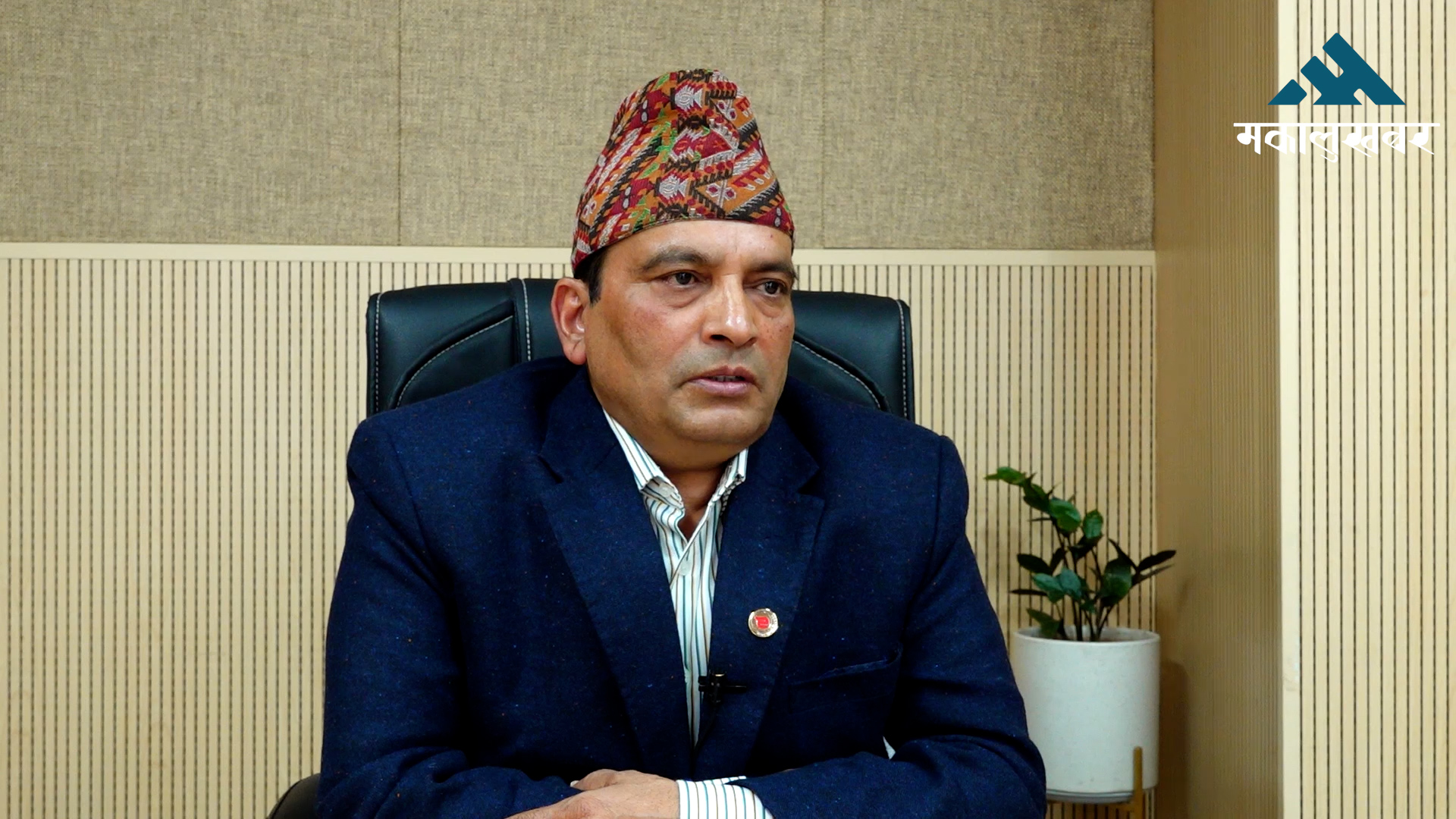
Chandikaprasad Bhatta, Executive Director of NOC, stated that all depots have been instructed to stock sufficient fuel for the election period. “Some border points will be temporarily closed around the elections. To avoid market disruption, depots will maintain adequate reserves,” Bhatta said.
Currently, Nepal consumes around 20–25 million liters of petrol and 38–40 million liters of diesel on average.
Officials estimate that fuel demand could increase by 20–25% just 10 days before the election.
The corporation is adjusting stock levels accordingly.
Bhatt explained that even if borders are closed for 2–4 days, NOC will ensure uninterrupted supply. “We will mobilize our 1,700–1,800 tankers and ensure storage facilities are filled.
Supply to the market will remain unaffected,” he said. Decisions on which border points will supply how much fuel will be finalized this week.
NOC’s Role and Recent Capacity Expansion
Nepal Oil Corporation is responsible for ensuring steady petroleum supply across the country. It imports petrol, diesel, aviation fuel, and gas from Indian Oil Corporation. Bhatta added that depots now allow fuel purchase via mobile payments, reducing the need for in-person transactions.
NOC has also accelerated efforts to expand storage capacity. Two years ago, the country could store only enough petrol for 8 days and diesel for 12 days.
Since then, NOC has built four storage tanks of 14,000 KL capacity each in Amlekhgunj and commissioned a 10,000 KL tank in Pokhara. Storage facilities in Biratnagar and Nepalgunj have also been activated, increasing the overall capacity.
Currently, NOC can store diesel for 14 days and petrol for 12 days.
Pipeline Expansion and Cost Reduction
The corporation has fast-tracked pipeline projects. The Motihari-Amlekhgunj pipeline is already operational.
Initially, only diesel was transported via pipeline in 2019, but now petrol and kerosene are also being supplied through the system.
Bhatta highlighted that pipeline delivery is cheaper than tankers from India, reducing transportation costs. This has already lowered fuel prices for consumers by Rs 2 per liter.
With ongoing pipeline expansions to Amlekhgunj–Chitwan and Silgadhi–Jhapa, costs are expected to drop further, potentially saving Rs 3.5 per liter.
The corporation also plans to import, store, and distribute aviation fuel through pipelines, ending the reliance on tankers traveling to India. NOC aims to complete these storage and pipeline projects within the next three years.
Bhatta emphasized, “With proper storage, strategic pipeline expansion, and proactive planning, Nepal’s fuel supply will remain uninterrupted, even during the peak election period.”