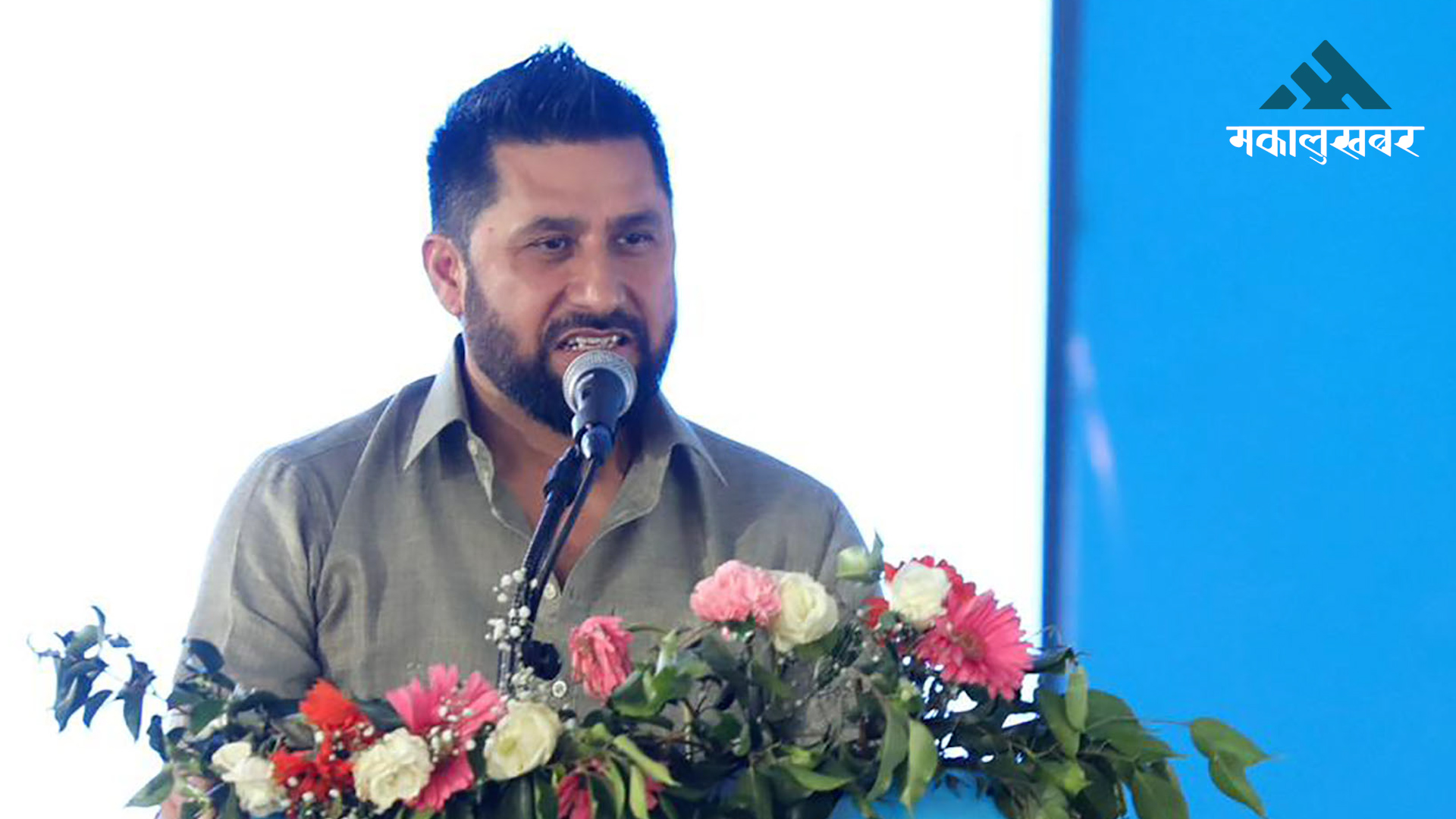
Deep boring not a long-term water solution: Gurung
Gurung’s remarks come in response to Prime Minister KP Sharma Oli’s recent announcement that deep boring would be used to solve water shortages in drought-hit districts of the Terai.

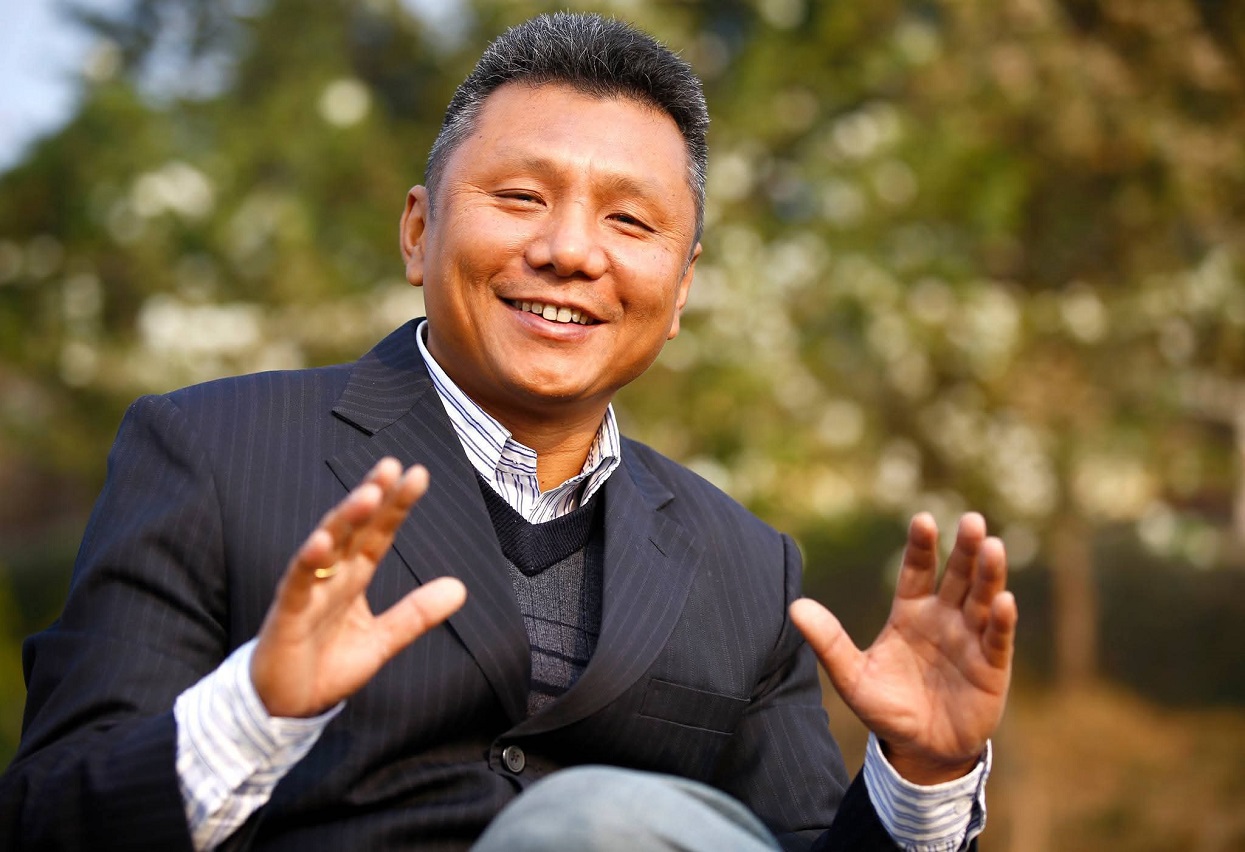
KATHMANDU: Kalyan Gurung, Central Member of the Nepali Congress and Head of the Party’s Environment and Climate Change Department, has stated that deep boring is not a sustainable solution to Nepal’s growing water crisis.
He emphasized the need for long-term, permanent strategies to address water scarcity, especially in the Terai region, where groundwater levels are rapidly declining.
Gurung’s remarks come in response to Prime Minister KP Sharma Oli’s recent announcement that deep boring would be used to solve water shortages in drought-hit districts of the Terai.
“The water table in both the Terai and hilly regions is sinking day by day. Deep boring only accelerates this decline, hollows the land, and increases the risk of land subsidence,” Gurung warned. “It may offer temporary relief, but it’s not a permanent solution.”
Highlighting the broader environmental risks, Gurung cautioned that continued groundwater depletion and land degradation could eventually lead to desertification. He proposed afforestation as a critical measure to combat these threats. “To raise the groundwater level, prevent scarcity, and avoid desertification, tree plantation is essential,” he said, recommending the planting of local species like bamboo and reeds along riverbanks — 100 meters on each side in the Terai and 100 feet in the hills.
He also strongly opposed the extraction of sand and gravel from riverbeds and called for strict federal laws to prevent river degradation.
Gurung announced that his department would present a detailed action plan to key stakeholders including the Prime Minister, Minister for Forest and Environment, Minister for Land Management, and Minister for Physical Infrastructure and Transport, urging immediate legal and policy measures.