Community Schools barred from charging any fees, SC orders
The petition argued that the constitutional provision of free education was not being implemented effectively.


KATHMANDU: The Nepal’s Supreme Court has ruled that community schools are no longer allowed to charge students or parents any kind of fees, issuing a mandamus to strictly enforce free education in practice.
The verdict was delivered on Sunday in response to a writ petition filed by Milan Gautam, former district president of the All Nepal National Free Students’ Union (ANNFSU) in Kavre, along with others.
The petition argued that the constitutional provision of free education was not being implemented effectively.
According to Supreme Court spokesperson Arjun Koirala, community schools are prohibited from collecting fees under any heading, including admission, examinations, extracurricular activities, or other charges.
The writ was filed on Falgun 3, 2080, naming all local governments of Kavre district, the Ministry of Education, Science and Technology, and the Office of the Prime Minister and Council of Ministers as respondents.
The case was brought to the court after student leaders, including ANNFSU district vice-president Ayush Badal and secretary Prabin Paudel, heard complaints during legal aid and student orientation programs in Kavre that students were being denied their fundamental right to free education.
A joint bench of Justices Nahakul Subedi and Mahesh Sharma Paudel issued the mandamus, stating that free and compulsory education is constitutionally guaranteed and that no fees can be charged from students or parents under any pretext.
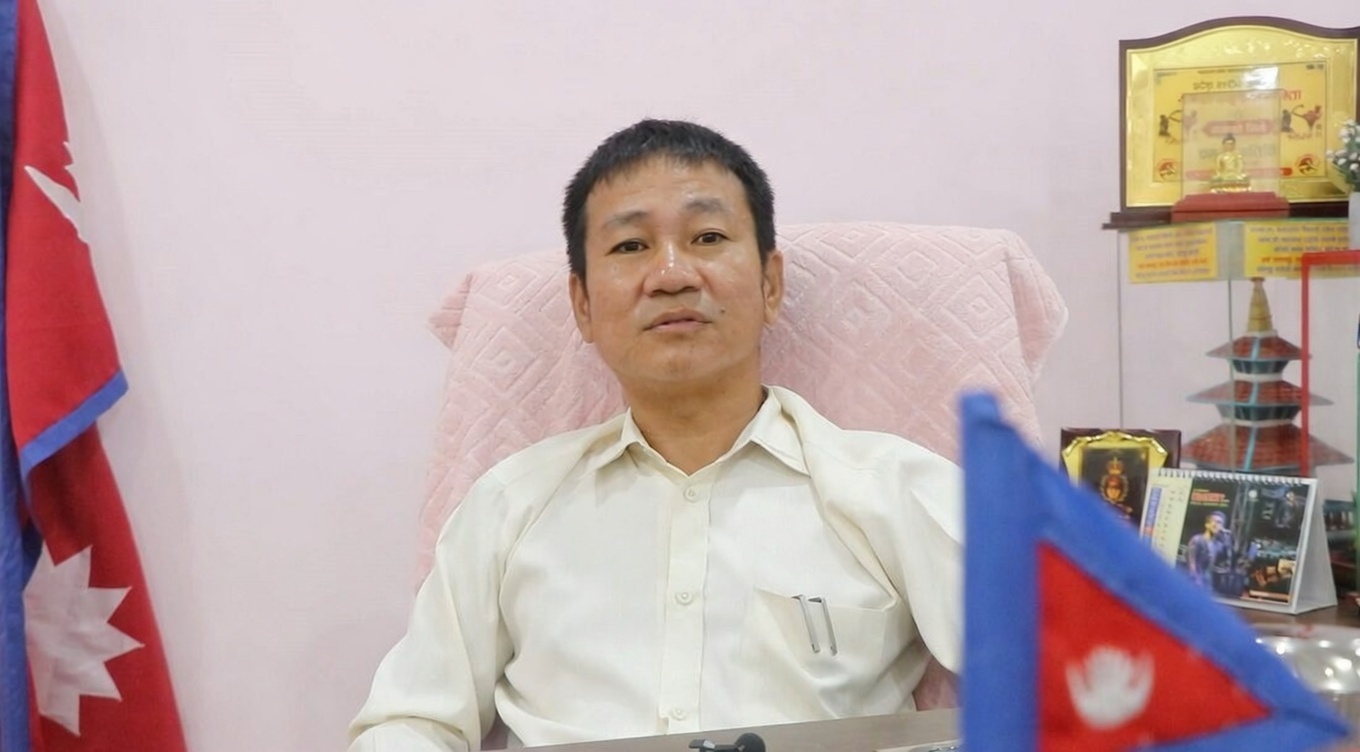
“The Constitution clearly guarantees free and compulsory education. Therefore, schools cannot collect fees from students or parents in any form,” spokesperson Koirala said. He added that ensuring this right is the responsibility of the state.
The court further clarified that even if schools face financial difficulties, they are not permitted to charge students. “If schools face operational challenges, it is the state’s duty to manage and allocate the necessary budget,” Koirala said.
Article 31 of Nepal’s Constitution guarantees every citizen the right to access basic education, reinforcing the court’s decision to fully implement free education in community schools.