Bhrikuti Paper Factory falls into ruins after 14 years of closure (photos)
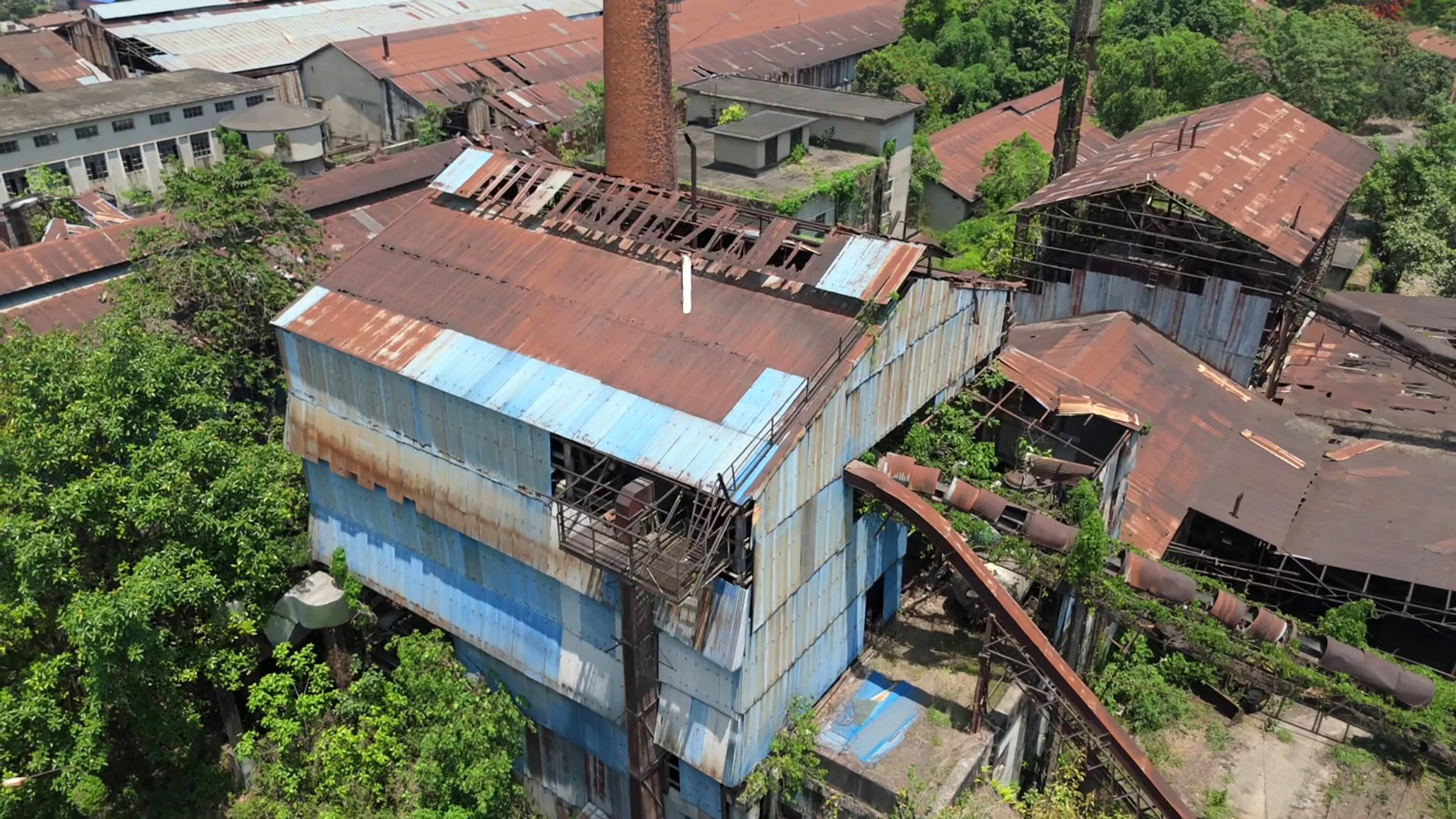
Over time, the factory buildings have deteriorated significantly and are now turning into dilapidated ruins.

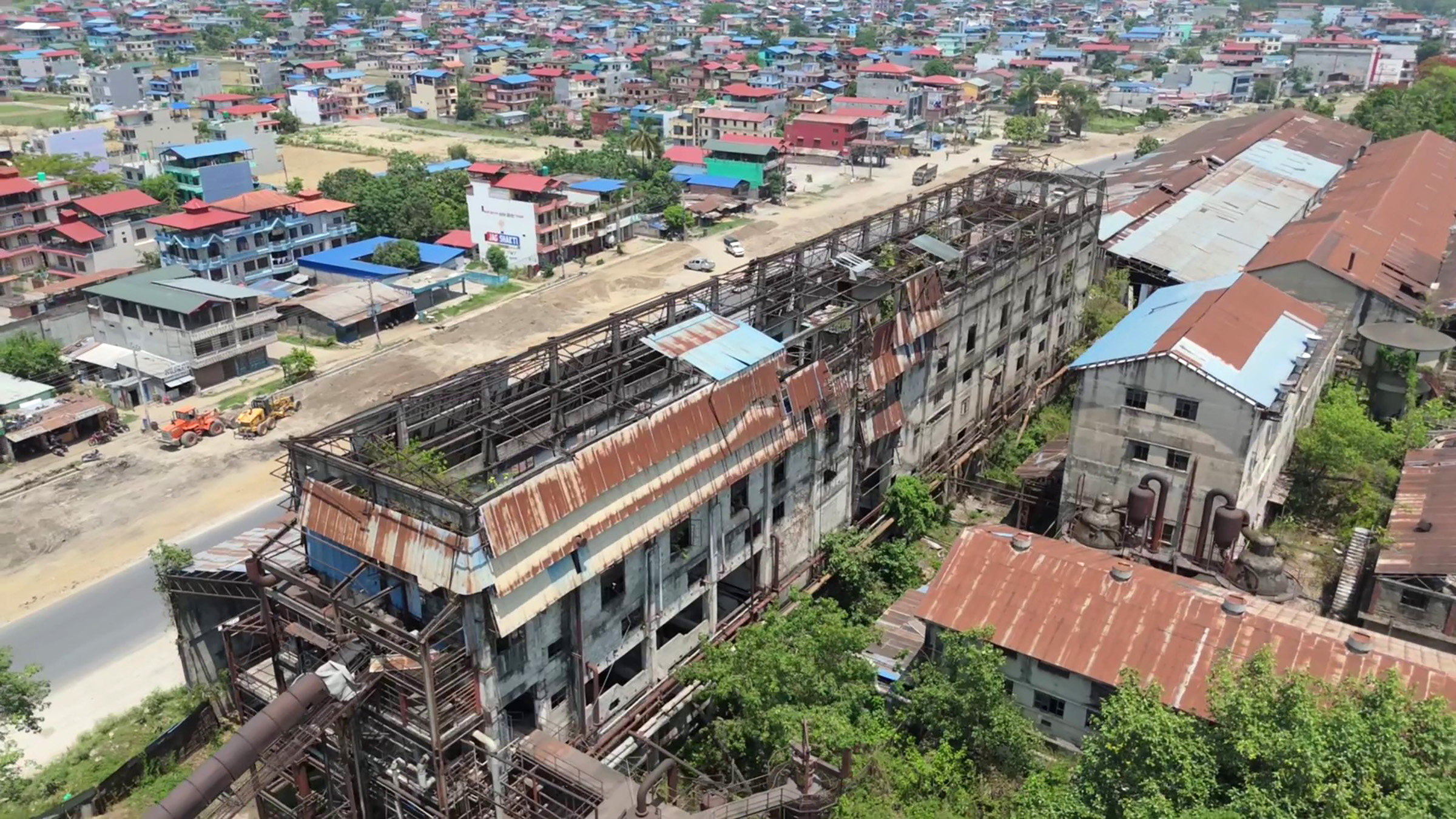
KATHMANDU: Once a pride of Nepal’s industrial landscape, the Bhrikuti Paper Factory in Gaindakot now stands as a haunting reminder of mismanagement and government apathy.
Closed for the past 14 years, the once-bustling factory has crumbled into ruins, with its rusting machines, collapsing buildings, and overgrown grounds signaling a complete industrial breakdown.
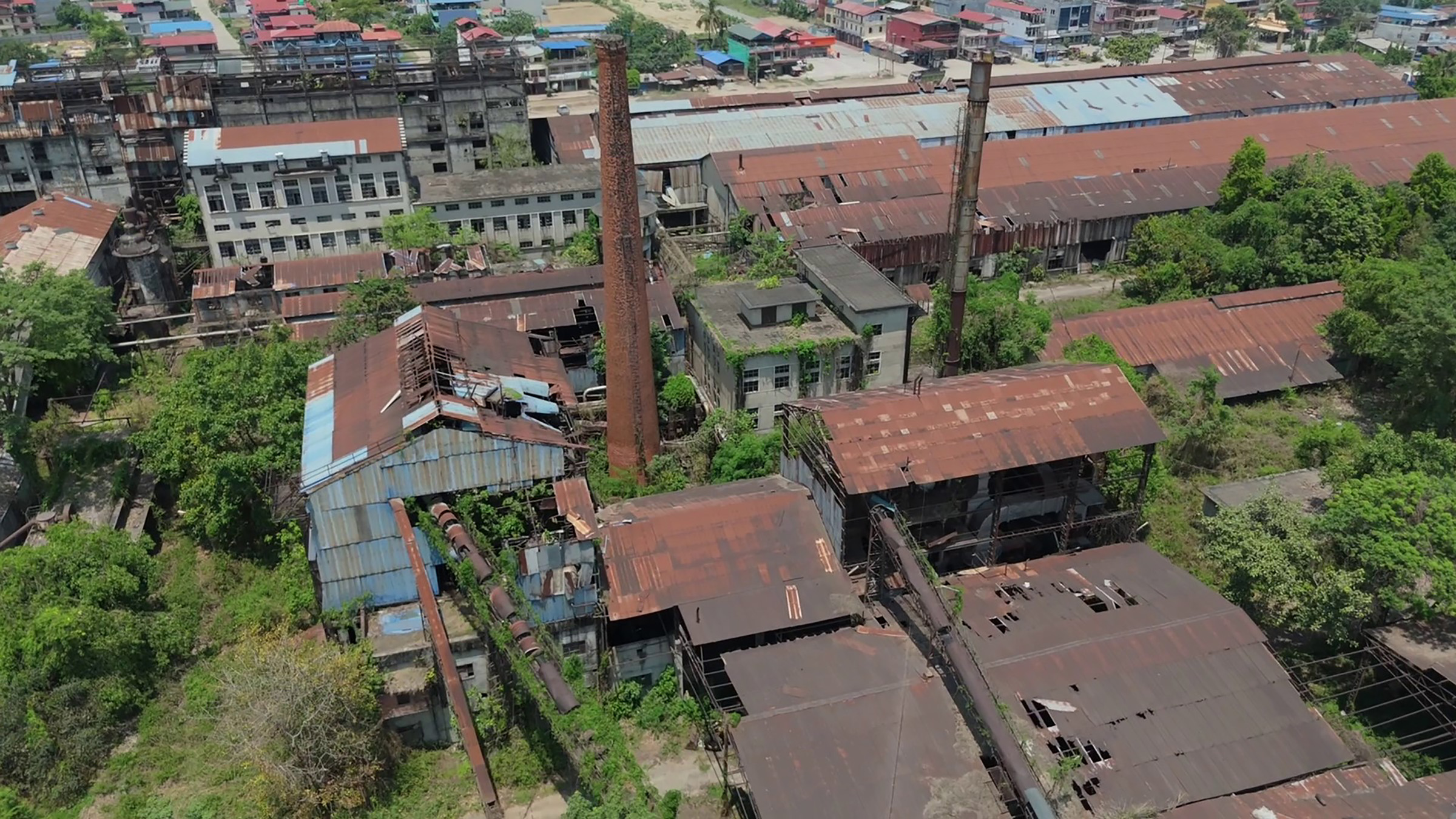
Established in 1985 with Chinese assistance, Bhrikuti was Nepal’s first and largest paper mill, meeting over 35% of the country’s domestic demand. It once employed over 3,000 workers directly and supported thousands more indirectly through supply chains and ancillary services.
The factory even exported paper pulp to Japan, showcasing Nepal’s potential in industrial exports.
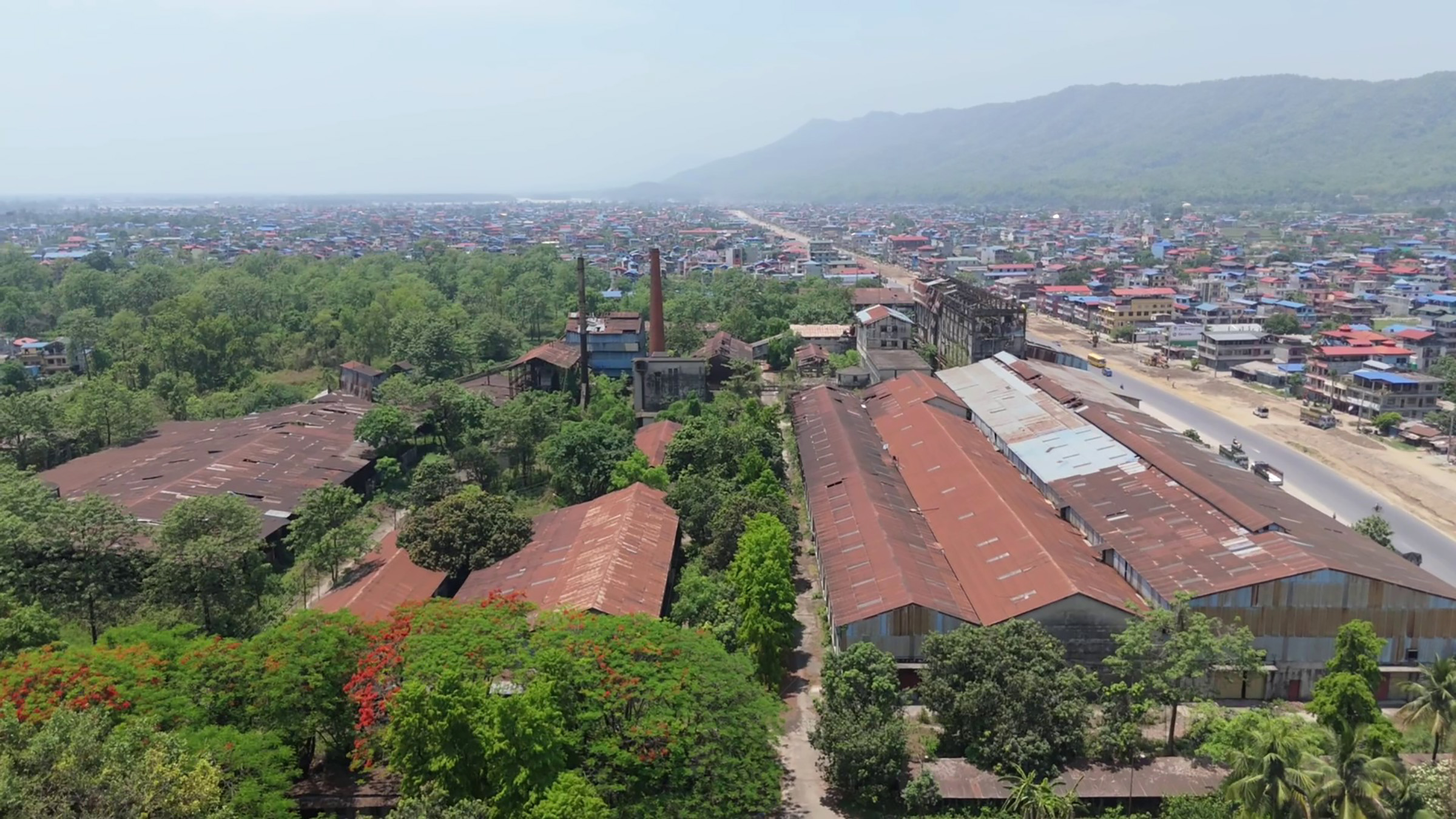
However, following its privatization in 1992 under the leadership of then Prime Minister Girija Prasad Koirala, the factory was leased to the Golchha Organization.
What was meant to be a move toward efficiency instead led to a sharp decline. Years of labor disputes, political interference, and managerial failures triggered repeated halts in production.
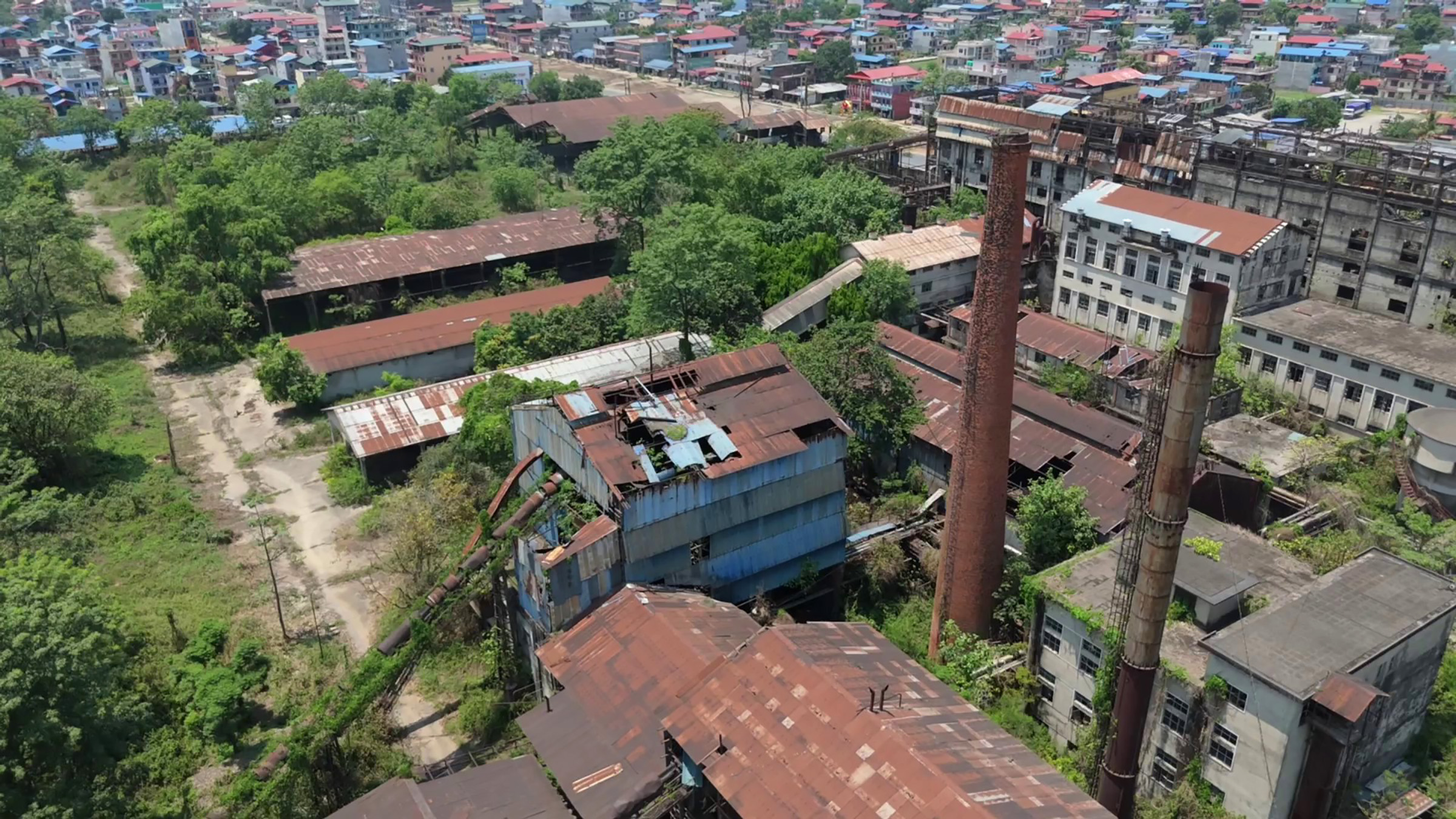
By 2011, the factory ceased operations completely, leaving its employees without salaries and its valuable infrastructure exposed to decay.
The 56-bigha property, spread across Wards 2, 5, and 6 of Gaindakot, has since become a hazardous zone. Locals report that the area has turned into a haven for illegal activities, posing safety threats due to collapsing structures, leftover chemicals, and unsupervised access.
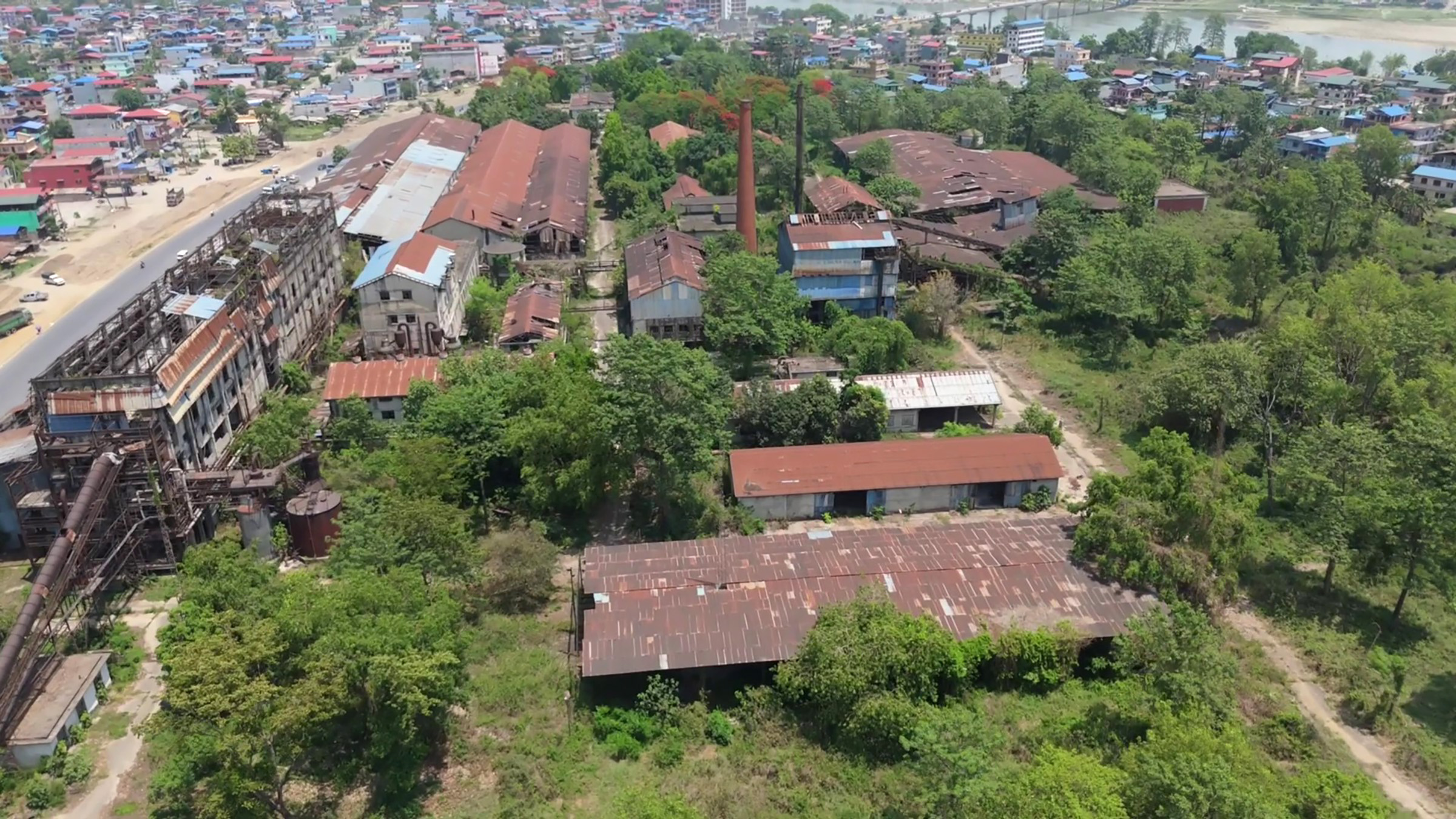
Despite years of silence, recent developments have reignited hopes for a resolution. In 2024, an agreement was reached to pay around Rs 320 million in outstanding salaries to 328 former workers.
Each worker is set to receive half of their basic wage with an added 10% interest, to be cleared within a year.
Furthermore, in May 2025, a national industrial summit called for renewed efforts to revive closed factories, including Bhrikuti.
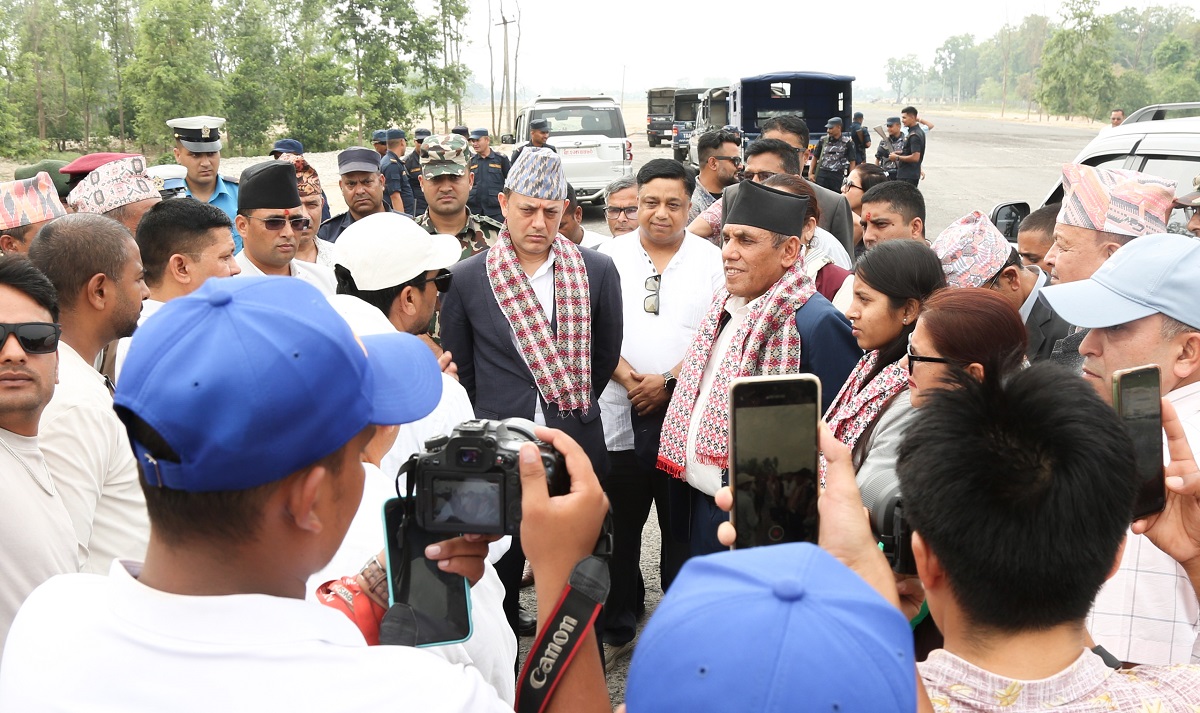
Delegations from Gandaki Province and federal parliamentary committees have inspected the factory, urging its restoration or redevelopment.
Local voices are pushing for either its reopening through a public-private partnership or transforming the site into a tech hub, hospital, or educational center.
Residents and former workers continue to demand accountability and action. “This factory fed thousands of families and strengthened the local economy. Letting it rot is a national failure,” said one former employee.