Balen–Rabi unity built on trust, not hidden powers

KATHMANDU: The recent political alignment between Kathmandu Metropolitan City Mayor Balen Shah and Rastriya Swatantra Party (RSP) President Rabi Lamichhane has become one of the most talked-about developments in Nepali politics.
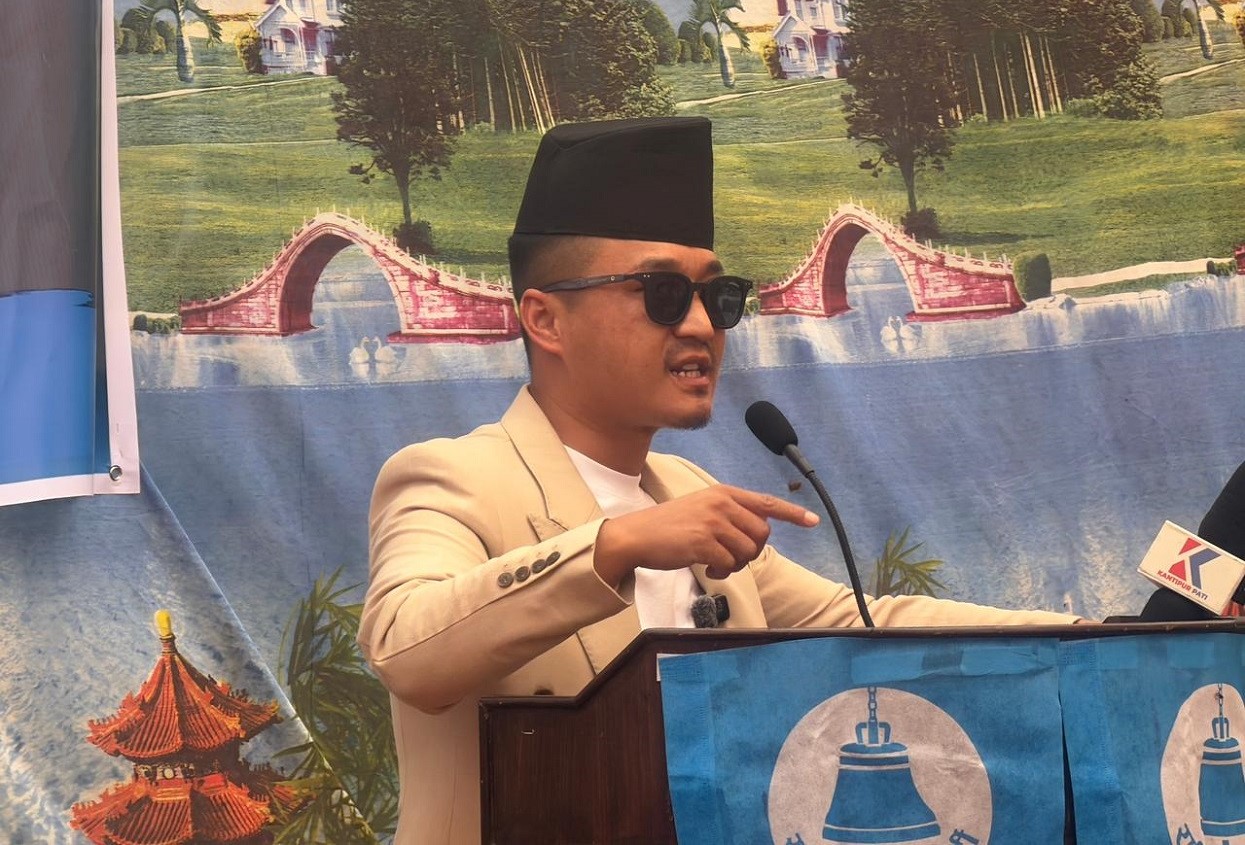
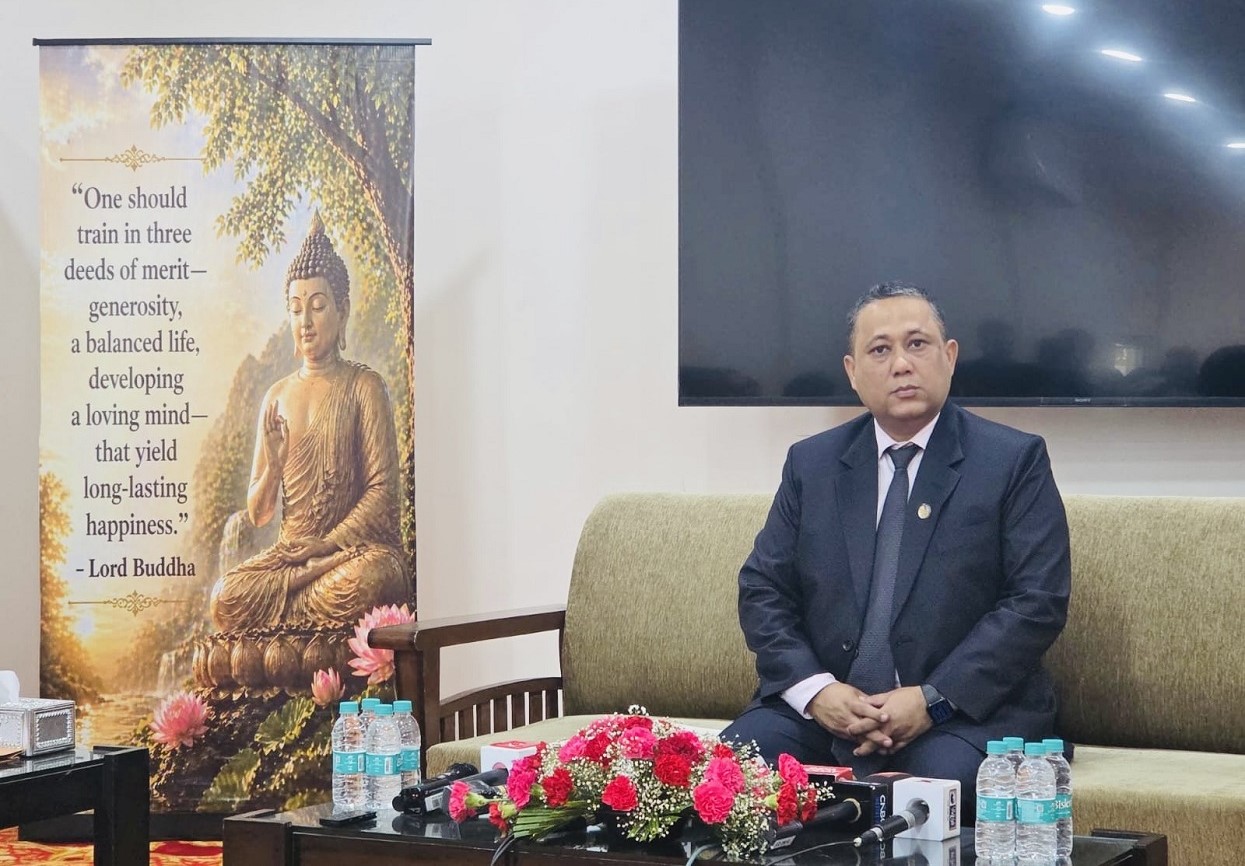
Amid widespread speculation, commentary, and allegations of “invisible forces” influencing the partnership, former Member of Parliament and RSP leader Asim Shah has shed light on how the alliance actually came into being.
In an exclusive interaction, Shah—who describes himself as having played the role of a “postman” between the two leaders—said the partnership was built not on political arithmetic but on personal trust, shared understanding, and a common vision for the country’s future.
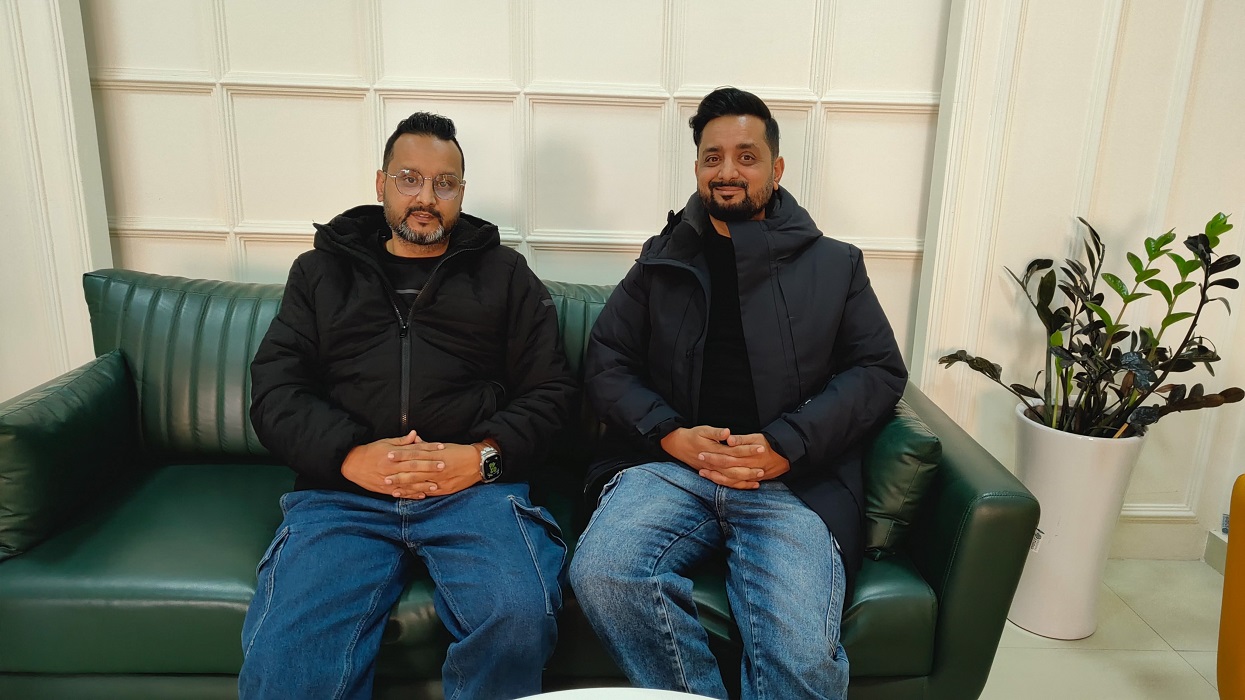
“People keep talking about invisible forces. But the real forces were visible—my brother Aasif Shah and I,” he said. “We worked to understand both sides’ mindsets, exchange messages, and create an environment for dialogue.”
According to Shah, the journey toward unity was far from smooth. Lamichhane’s imprisonment and ongoing legal process, along with Mayor Balen’s personal bereavement, created multiple obstacles. “It was not an easy process,” he recalled. “But after President Lamichhane was released, we finally made the meeting possible on Dec 22. For some time, we had to avoid media attention, change locations, and even meet at night. That meeting laid the foundation for a new political equation.”
He emphasized that the alliance was forged through emotional and intellectual alignment, not mere political calculations. “This unity is of both the heart and the mind,” Shah said. “It was made possible by deep conversations lasting seven to eight hours, mutual respect, and a shared goal of national development.”
Responding to questions on whether this cooperation is only an electoral tactic or a sign of long-term transformation, Shah asserted that it is meant to be enduring. “This is not a short-term strategy. The understanding between them is deep and future-oriented,” he said.
Shah further explained that the initiative began when it became clear that alternative political forces could not afford to remain fragmented. “Scattered forces needed a single platform, a single vessel. Today, that platform is the RSP,” he said, adding that the party has continued its effort to consolidate alternative political energies, especially in the changed political landscape after the Gen Z movement.
Addressing criticism that RSP is rushing toward power, Shah said the party’s message is clear: a two-thirds government with Balen Shah as prime minister is its long-term vision. He also revealed that RSP has already positioned Balen as its parliamentary leader.
“A month ago, there was uncertainty about whether the country would even go to elections. There were attempts to restore Parliament and bring down the government,” he said. “But after Balen and Rabi came together, the nation is now firmly heading toward elections.”