‘Abhimanyu: Chapter 1’ receives strong reviews for portraying social realities
A major highlight, according to audience feedback, is the film’s depiction of the dowry system prevalent in the Terai–Madhesh region and the harsh consequences it creates.

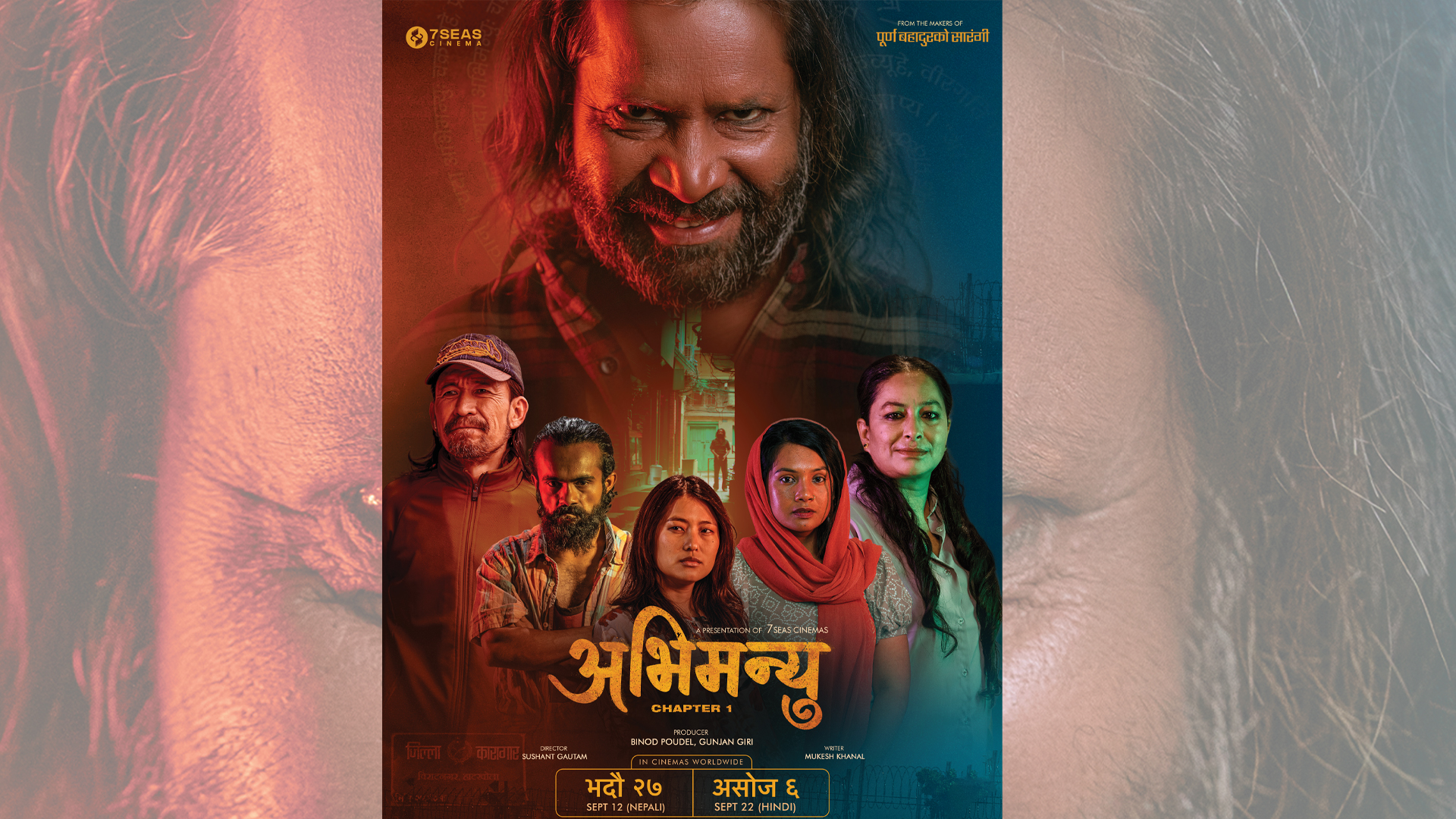
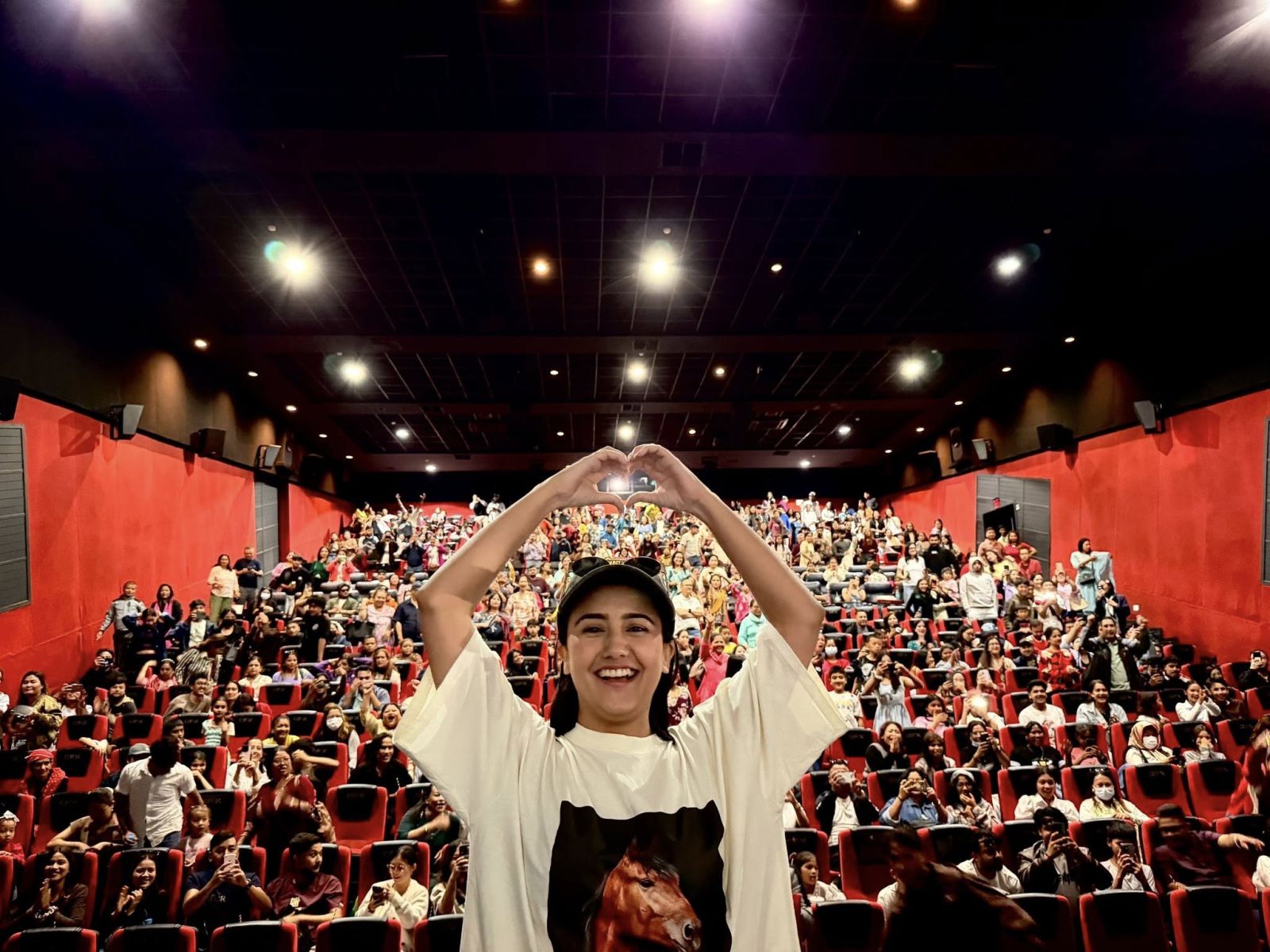
KATHMANDU: The Nepali film ‘Abhimanyu: Chapter 1’, which premiered on Thursday, has received highly positive reviews from audiences.
Viewers say the film serves as a mirror to Nepali society, highlighting sensitive issues with honesty and depth.
A major highlight, according to audience feedback, is the film’s depiction of the dowry system prevalent in the Terai–Madhesh region and the harsh consequences it creates.
Many viewers praised the film for boldly addressing a deeply rooted social problem and presenting its alarming impacts with clarity.
Audiences also shared that the gradual rise and transformation of the film’s female lead reflects the changing dynamics of contemporary Nepali society. “The way the heroine progresses step by step truly represents today’s Nepal,” said viewers coming out of the cinema hall. “Women are now walking their own path, and seeing this portrayed on screen felt relatable.”
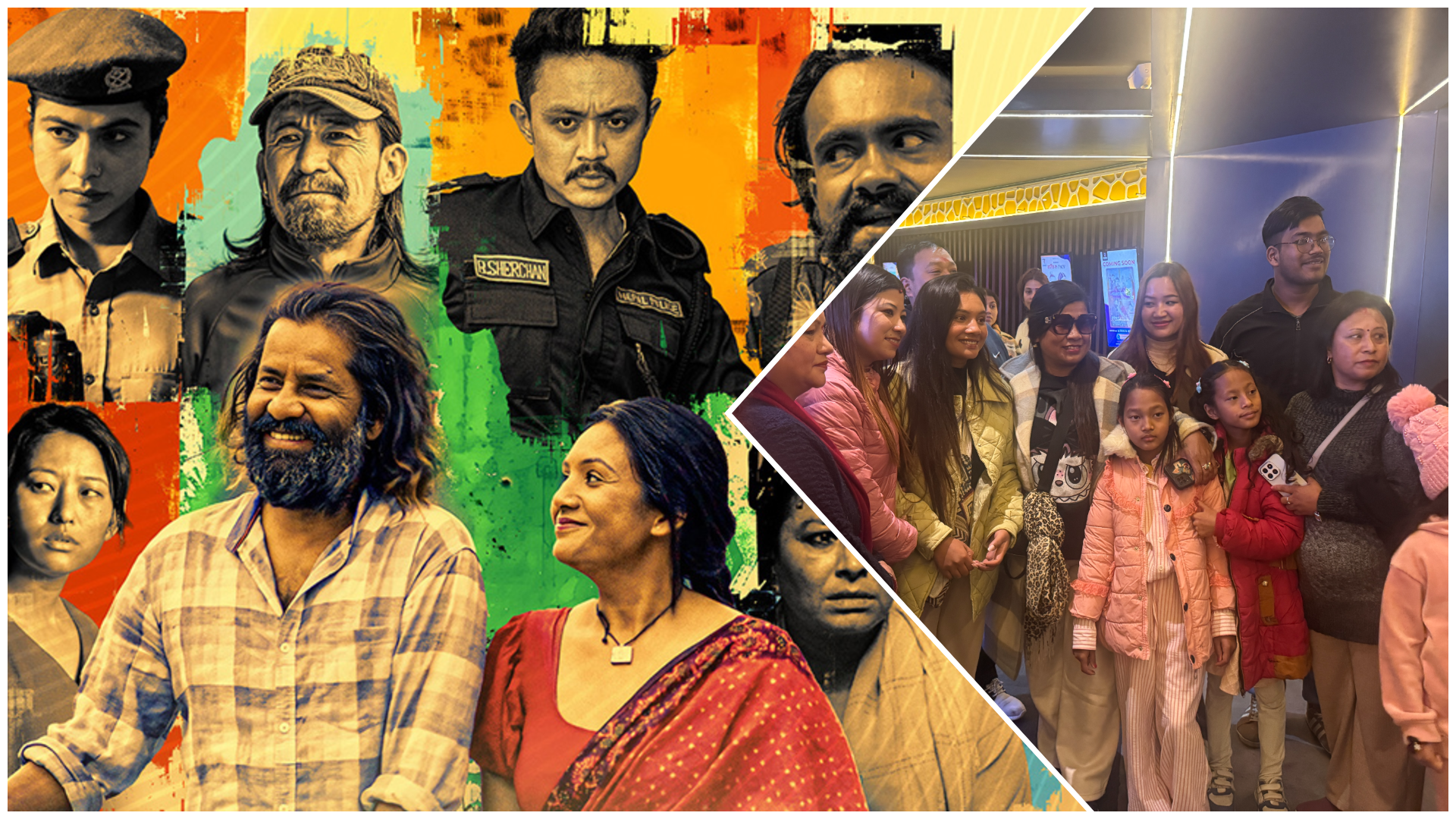
Many viewers said the film “hits straight to the heart” and expressed plans to recommend it to friends and family. “Everyone should watch it. It is our own story — something we all can relate to,” one viewer said, adding that several moments in the film resonate strongly with real-life experiences.
‘Abhimanyu: Chapter 1’ features Kameshwor Chaurasiya and Laxmi Bardewa in lead roles, supported by Kiran Shrestha, Gaumaya Gurung, Laxmi Giri, Prakash Dahal, and Shishir Bangdel. Rekha Thapa appears in a guest role.
Directed by Sushant Gautam, the film’s creative director is Madan Thapa, with the script written by Mukesh Khanal.
The film is produced by Binod Paudel and Gunjan Giri, with Ramesh Chaulagai and Hari Shrestha as co-producers.
Executive producers include Bishal Lama, Hari Moktan, Krishna Bhattarai, Nirajan Luintel, and Sandesh Shrestha, while Jivan Shakya is the line producer.
Sharad Mahato serves as the director of photography, with Manoj Shrestha handling VFX, Junim Gahatraj managing color grading, and Madan Ghimire responsible for editing.