KMC prioritizes collective housing for informal settlers
Acting Mayor Sunita Dangol said the city has adopted a more collaborative and humanitarian strategy in response to tensions and controversies surrounding previous efforts to remove informal settlements.

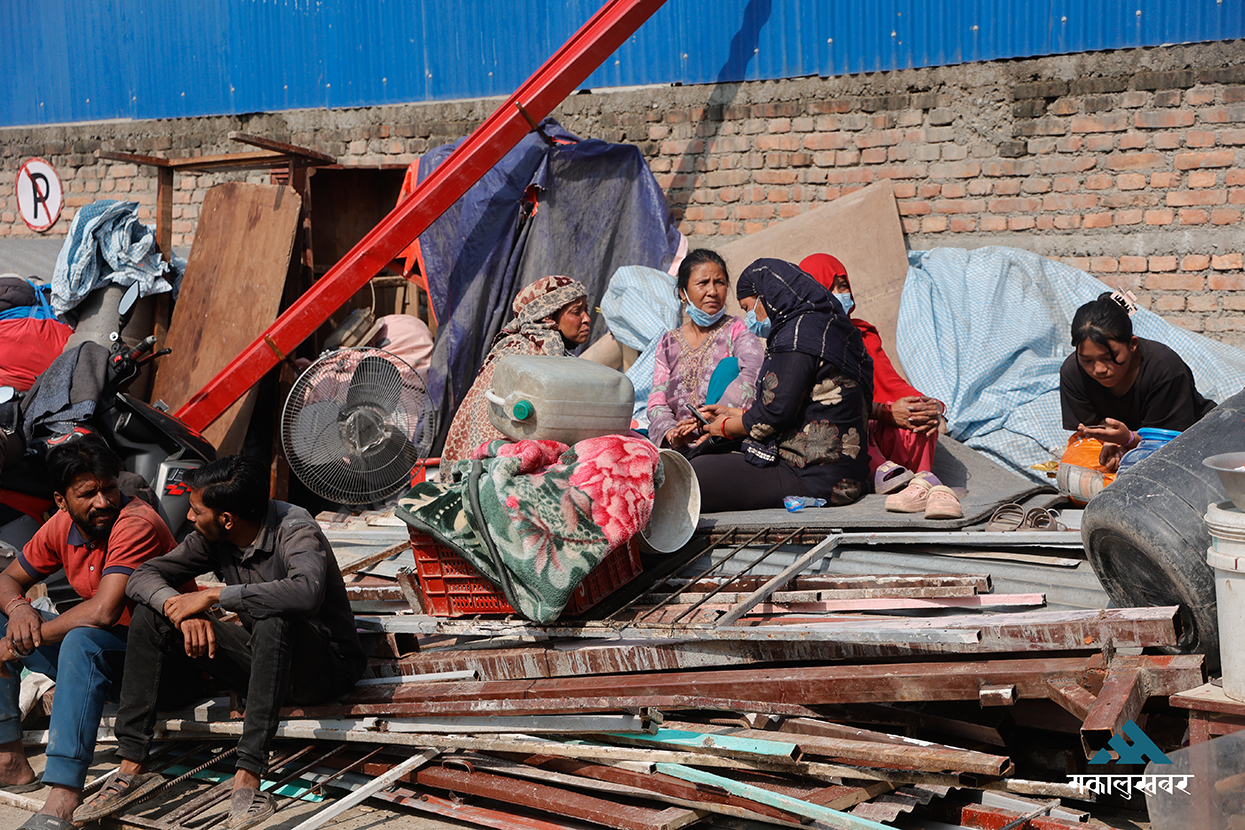
KATHMANDU: Kathmandu Metropolitan City (KMC) has unveiled a new approach to managing informal settlements and high-risk riverbank communities, shifting its focus from forced evictions to coordinated rehabilitation and collective housing initiatives.
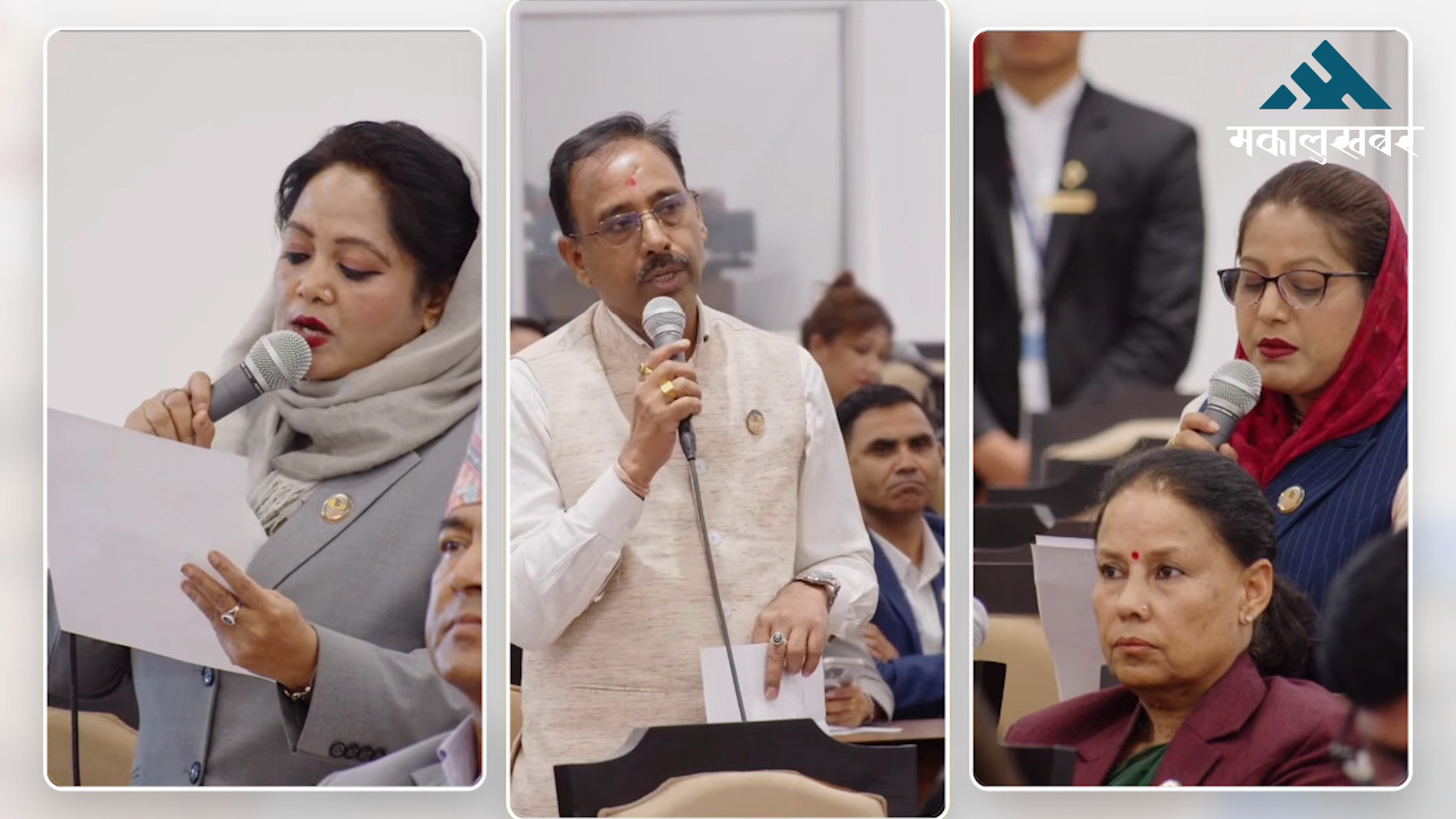
Presenting the metropolitan government’s policies and programs for the fiscal year 2083/84 on Sunday, Acting Mayor Sunita Dangol said the city has adopted a more collaborative and humanitarian strategy in response to tensions and controversies surrounding previous efforts to remove informal settlements.
Under the new policy, KMC will work closely with the federal and provincial governments through a trilateral partnership framework aimed at ensuring the safe relocation and long-term rehabilitation of vulnerable communities living along riverbanks and on public land.
The policy reflects the city’s commitment to becoming a “city of humanity,” recognizing that the management of informal settlements remains one of Kathmandu’s most pressing urban challenges. For decades, thousands of residents have lived in flood-prone and high-risk areas along rivers and public spaces, raising concerns over safety, environmental protection, and urban planning.
A key feature of the new policy is the introduction of a “collective housing” model. The metropolitan government plans to coordinate with federal and provincial authorities to identify suitable locations and construct safe housing complexes for economically disadvantaged, displaced, and vulnerable families.
City officials believe the initiative will help guarantee the fundamental right to housing while providing a sustainable and dignified solution for urban poor communities.
The policy also seeks to clarify institutional responsibilities among different levels of government, reducing jurisdictional ambiguities that have previously hindered implementation efforts.
KMC expects the new partnership-based approach to accelerate the relocation process, improve living conditions for affected residents, and create a long-term framework for inclusive urban development.