Why gulf states are avoiding direct confrontation with Iran?
The escalation follows Israeli strikes on Iran’s massive South Pars Gas Field, one of the world’s largest natural gas reserves.

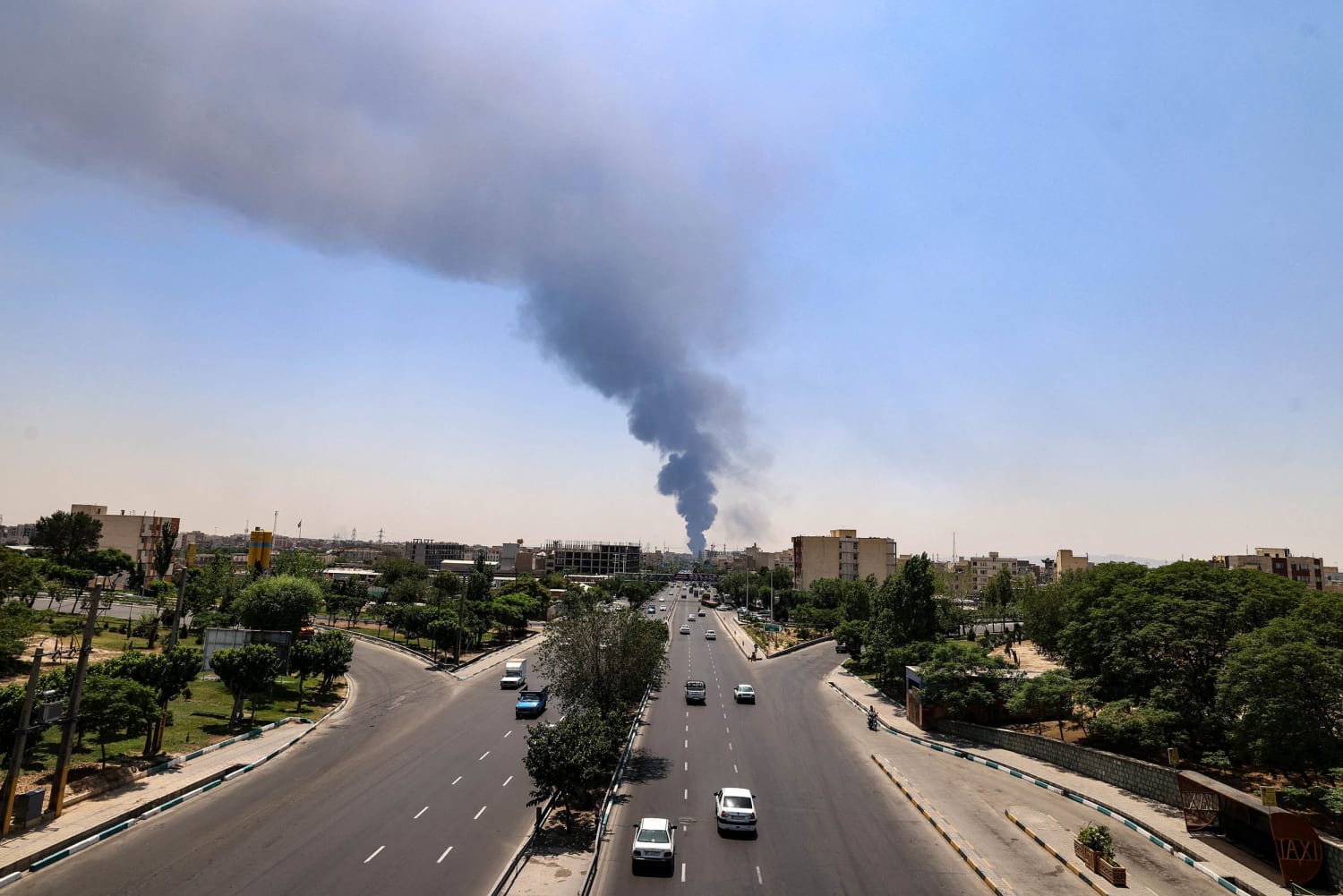
KATHMANDU: Tensions in the Middle East are rapidly intensifying as the conflict involving Iran, Israel, and the United States begins to pull Gulf nations closer to the brink of war.
Iran has stepped up attacks not only against military targets but also critical energy facilities and civilian infrastructure across the Gulf, raising alarm over regional security and global energy stability.
The escalation follows Israeli strikes on Iran’s massive South Pars Gas Field, one of the world’s largest natural gas reserves.
In retaliation, Tehran targeted Qatar’s key Ras Laffan Industrial City, a vital center for global liquefied natural gas exports.
Since late February, when joint operations by Israel and the United States against Iran intensified, Tehran has broadened its scope—launching a series of strikes on countries seen as aligned with Washington.
Nations including the United Arab Emirates, Bahrain, Kuwait, Saudi Arabia, Qatar, and Oman are increasingly in the crosshairs.
Strategic Restraint Amid Rising Threats
Despite the growing attacks, Gulf states have so far refrained from direct military retaliation. Officials report missile strikes hitting airports, hotels, residential zones, and strategic energy infrastructure—but governments remain cautious.
Analysts say this restraint reflects calculated risk. According to Center for International Policy fellow Sina Toossi, Gulf countries do not see this as their war.
Retaliation, he warns, could expose them to even greater damage—particularly to energy infrastructure and maritime trade routes that underpin their economies.
The threat of disruption to the Strait of Hormuz—a chokepoint for a significant share of global oil shipments—has further heightened caution across the region.
Shadow of the Iraq War
Historical memory is also shaping decision-making. Experts point to the aftermath of the Iraq War, which left the region destabilized and enabled Iran to expand its influence.
Rob Geist Pinfold of King’s College London notes that Gulf states remain wary of repeating that experience. Concerns are growing that the United States may again lack a clear exit strategy, risking prolonged instability.
Still, some defense experts warn that continued inaction could embolden Tehran. Former U.S. official Bilal Saab argues that failure to respond may signal that Iran can act without consequence.
What Comes Next?
While politically cautious, Gulf states remain heavily reliant on U.S. defense systems and intelligence. Many incoming missiles have reportedly been intercepted using American technology.
For now, regional governments are prioritizing diplomacy. But that balance could shift quickly. According to Royal United Services Institute analyst H. A. Hellyer, large-scale damage to energy infrastructure—or expanded proxy attacks—could force Gulf countries into direct confrontation.
A recent meeting of foreign ministers in Saudi Arabia invoked the right to self-defense under international law, signaling that the region’s cautious stance may not hold indefinitely.
As Iran intensifies its strategy, the risk is growing that Gulf nations may ultimately align more openly with U.S.-led military efforts—potentially transforming a contained conflict into a wider regional war.