Three new movies hit theatres simultaneously


KATHMANDU: Nepal’s box office witnessed a major shift on Friday as three new films — “Roll No. 1,” “Shape of Momo,” and “Kumbha” — hit cinemas together, aiming to challenge the continued dominance of “Lalibazar,” which has held strong for three consecutive weeks since its release on May 8.
‘Roll No. 1’ — Pressure of Expectations and Childhood Struggles
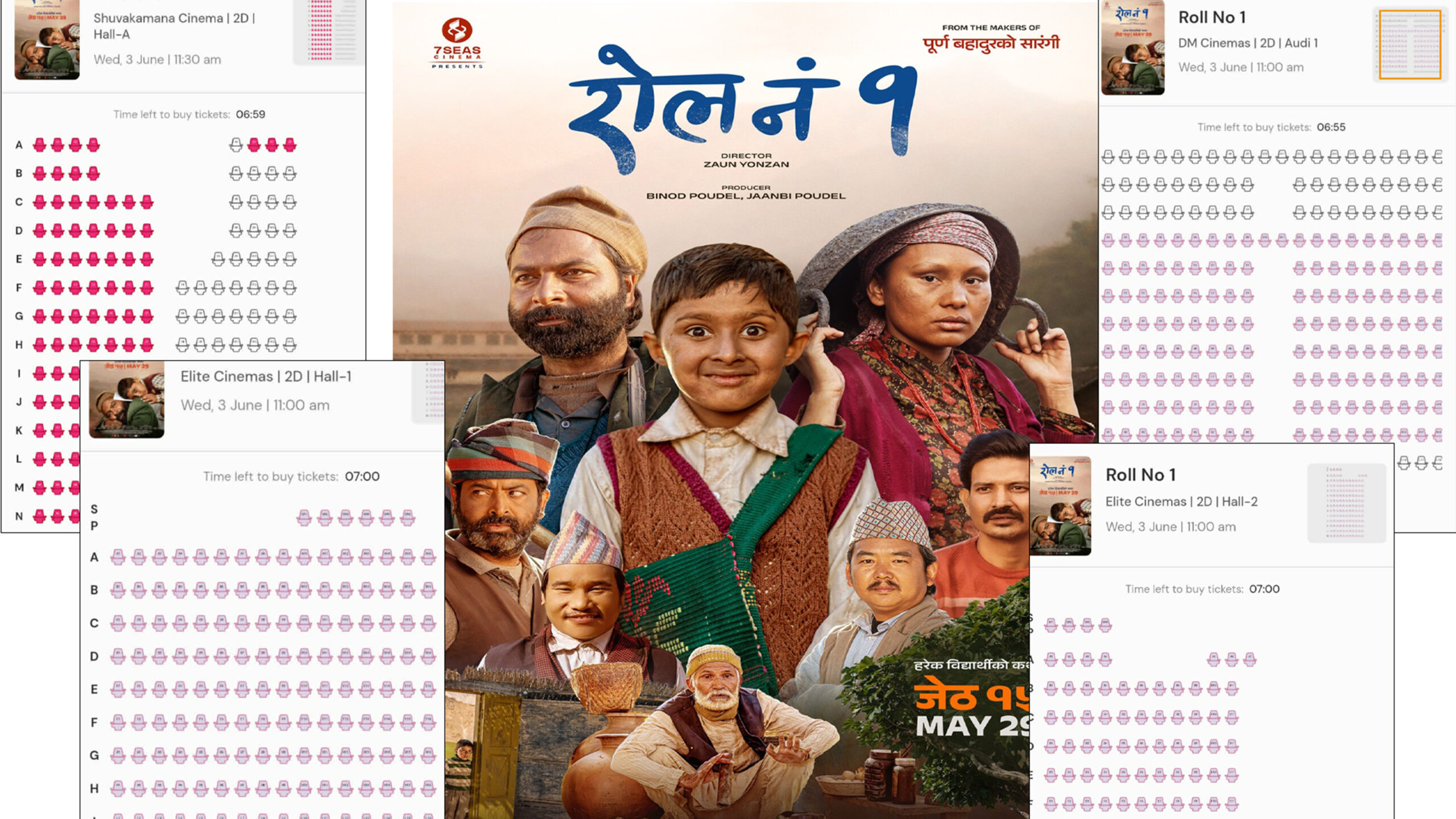
“Roll No. 1” is a psychological drama centered on children, exploring how parental pressure driven by social prestige and academic expectations affects young minds.
The film features performances by Mukun Bhusal, Renu Yogi, Nirbhik Regmi, Sushank Mainali, Srijana Adhikari, Rinchen Lama, Sanyam Katuwal, and Sijal Shrestha, among others.
Produced by Vinod Paudel, known for the acclaimed film “Purna Bahadur Ko Sarangi,” the project has already generated strong audience anticipation.
Directed by Jon Yonjan, the film brings together Mahesh Dawadi’s writing, Shivaram Shrestha’s cinematography, Madan Ghimire’s editing, Rohit Shakya’s background score, and Uttam Pradhan’s sound design.
‘Shape of Mo:Mo’ — A Cross-Border Festival Favorite
Jointly released in Nepal and India, “Shape of Momo” has gained international attention through festival screenings and awards. In India, the film is supported by Rana Daggubati’s Spirit Media, with filmmakers Zoya Akhtar and Payal Kapadia serving as executive producers.
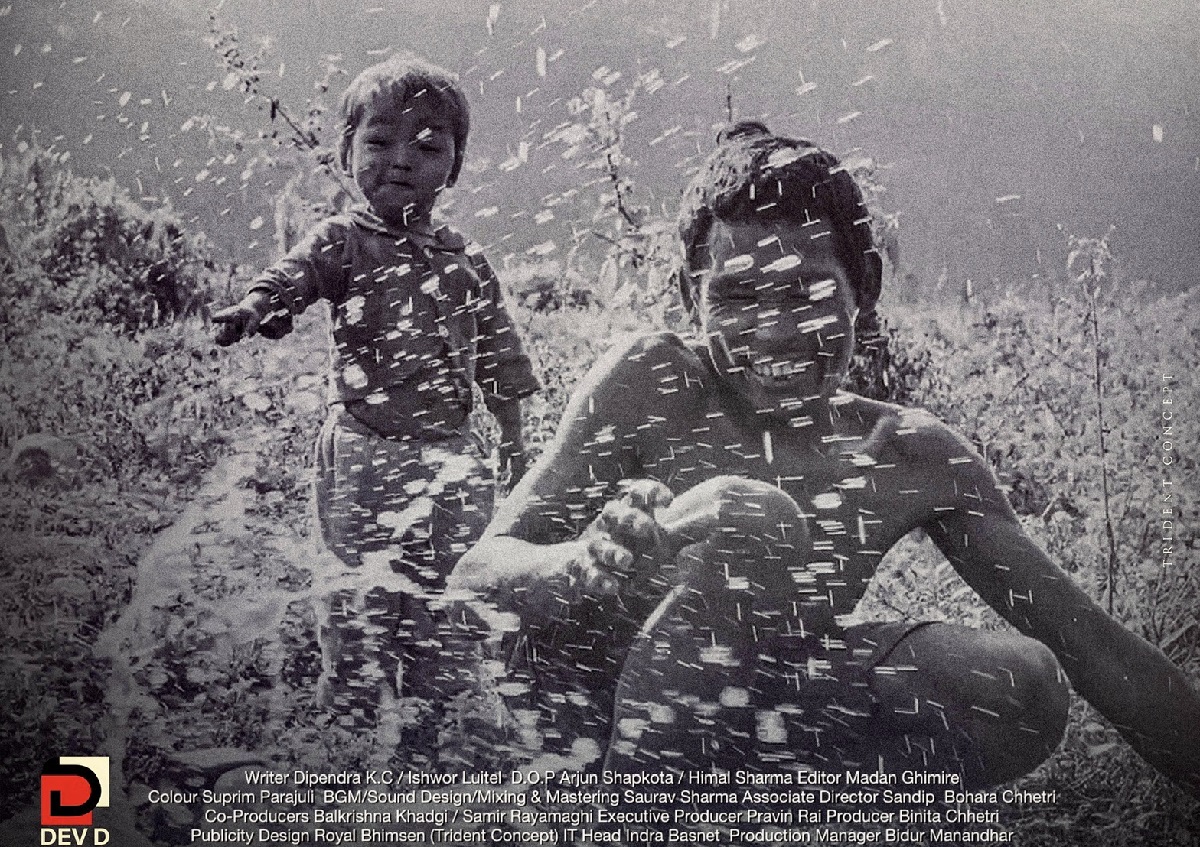
Directed by Sikkim-based filmmaker Triveni Rai, the film stars Bhanu Maya Rai, Gaumaya Gurung, Pashupati Rai, Rahul Mukhiya, and Shyama Shree Sherpa. Set in a Himalayan village in Sikkim, it tells the emotional story of three generations of women in a single family, exploring silence, identity, relationships, and inherited emotional struggles.
‘Kumbha’ — Love, Revenge, and a Limited Release
“Kumbha” presents a narrative of love and revenge and is directed by Randhir Shrestha. The film features Ashok Aryan, Sunil Thapa, Sushil Pokharel, Rohit Rumba, Shristi Khadka, and Surendra Thakur.
Despite its ensemble cast, “Kumbha” has received only 12 shows nationwide, marking one of the lowest screen allocations in the history of Nepali cinema. The limited release highlights the intense competition among films currently in theaters.