Second digital Nepal framework to be implemented this Fiscal Year: Minister Gurung
He explained that the first framework, introduced in 2076 BS, was incomplete and could not keep pace with rapidly changing technology, making a new structure necessary.

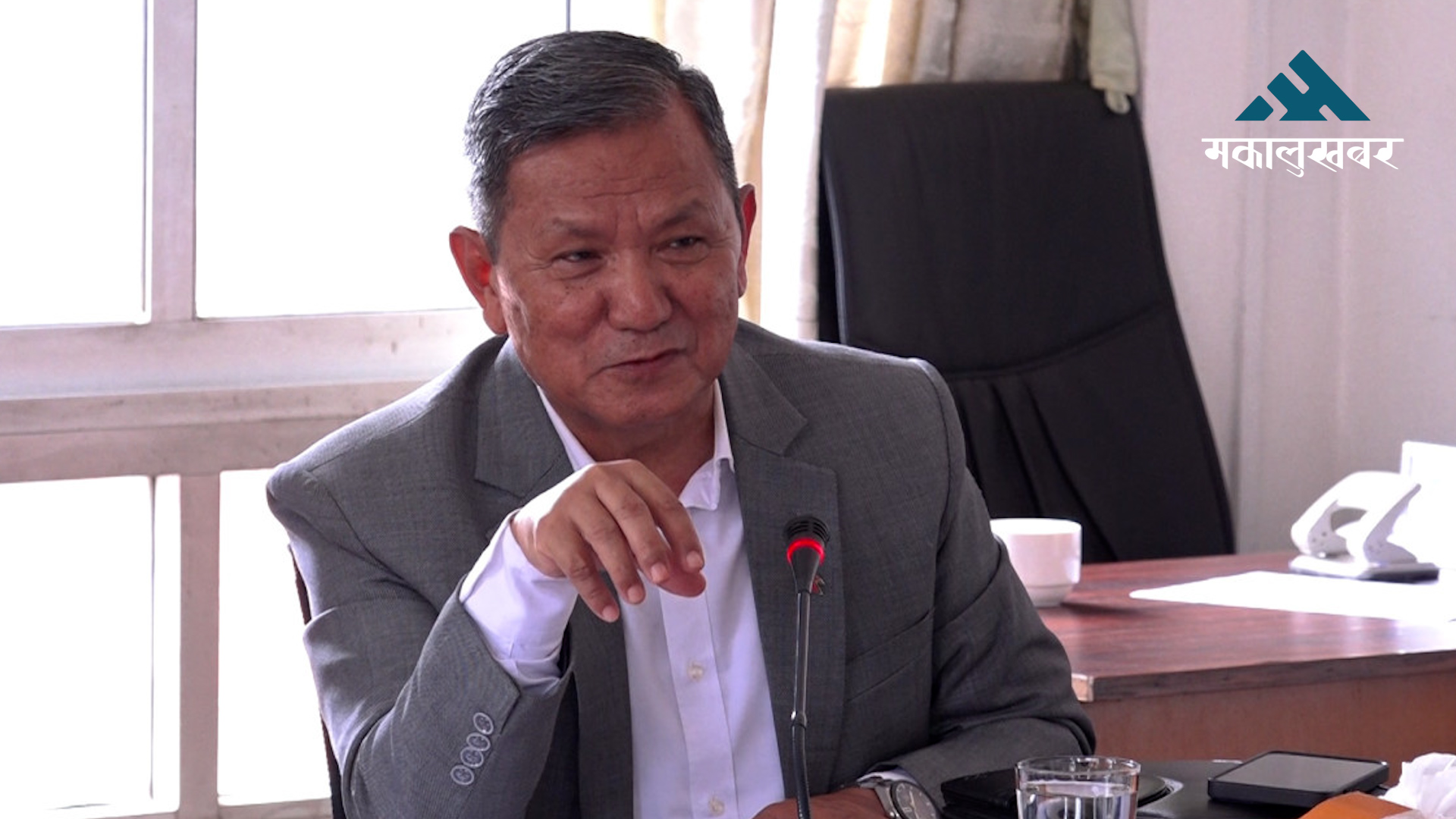
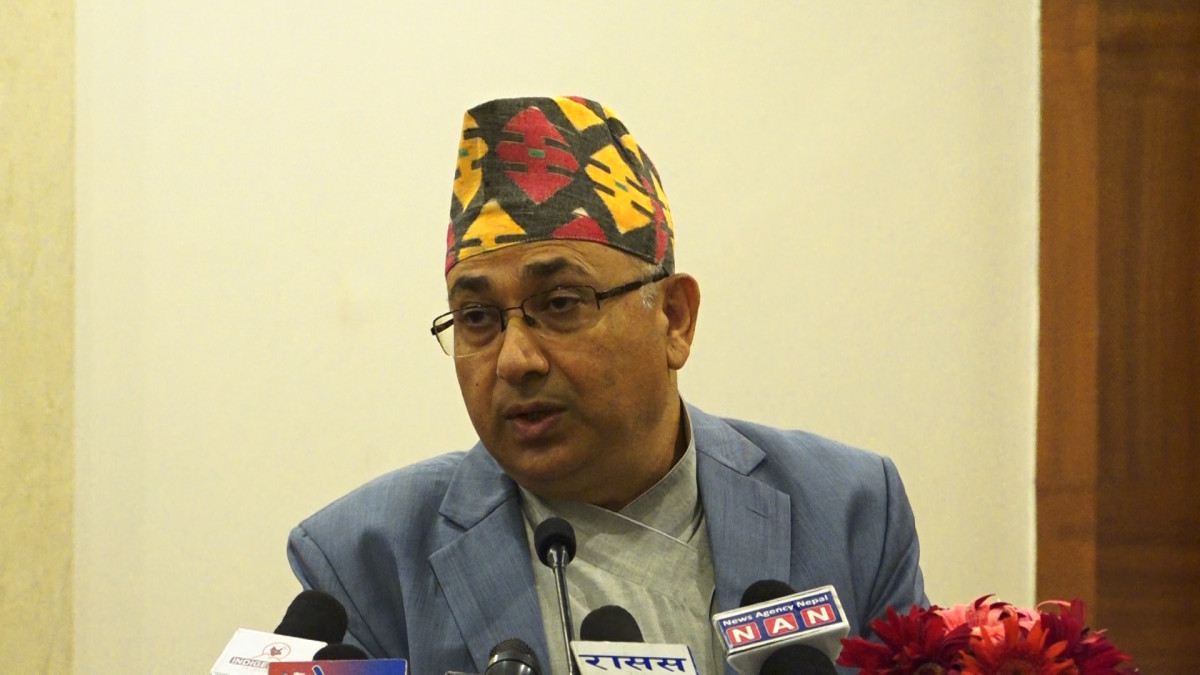
KATHMANDU: Minister for Communication and Information Technology Prithvi Subba Gurung has announced that the “Second Digital Nepal Framework (DNF)” will be implemented within the current fiscal year.
Speaking at a meeting of the Development, Economic Affairs, and Good Governance Committee under the House of Representatives in Singha Durbar on Tuesday, Minister Gurung said the new DNF has reached its final stage.
He explained that the first framework, introduced in 2076 BS, was incomplete and could not keep pace with rapidly changing technology, making a new structure necessary.
Although the World Bank had agreed to provide Rs 580 million in support for the DNF, Gurung lamented that “not even 58 paisa” had been received so far. “We have had no contact from the World Bank representatives. I don’t know what went wrong in the MoU with the Finance Ministry,” he remarked. After waiting for seven months, the ministry initiated the process on its own and has now completed preparations to submit the proposal to the Cabinet.
“Once the Cabinet approves it, this framework will be implemented starting this year,” he said. Acknowledging Nepal’s lag in the ICT sector, Gurung stated that the government will focus on 5G and Artificial Intelligence (AI). “This year, we will launch 5G services in Kathmandu and Pokhara, which will also enhance the effective use of AI technology,” he added.
He noted that ICT policies and programs need continuous updates due to the sector’s rapid changes. “A framework made today might need revision tomorrow,” he said, adding that the second DNF will be modern, practical, and long-term compared to its predecessor.
The ministry has completed all necessary policy preparations, with the goal of building digital infrastructure, improving service delivery, and establishing a technology-driven governance system.