Proposal to consider Appropriation Bill 2083 approved unanimously
Responding to lawmakers’ queries, Minister Wagle said several issues related to allocations would become clearer during ministry-wise discussions.

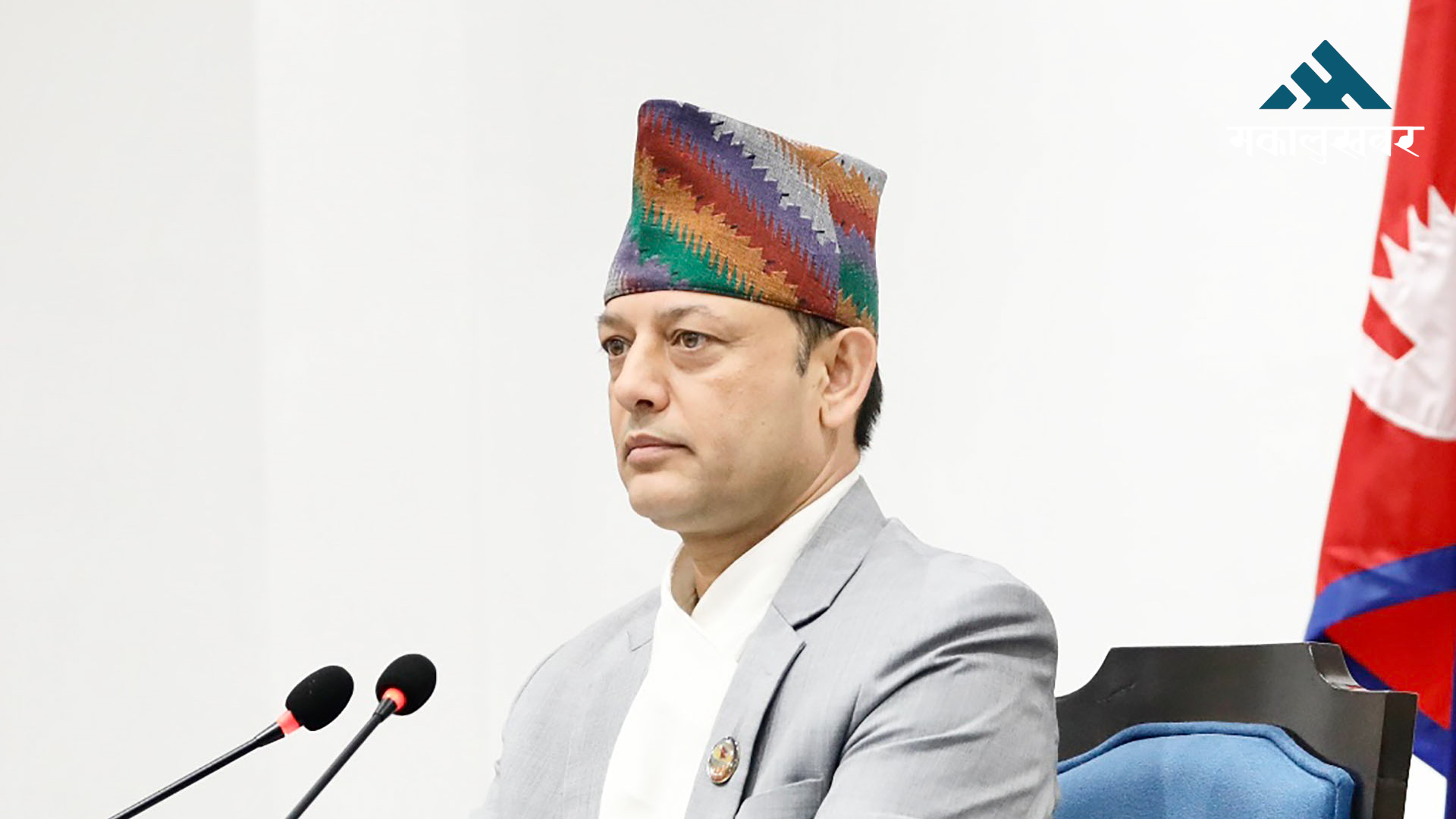
KATHMANDU: The House of Representatives on Friday unanimously approved the proposal to consider the “Appropriation Bill, 2083.” Earlier, Finance Minister Dr. Swarnim Wagle tabled the proposal in the House.
Responding to lawmakers’ queries, Minister Wagle said several issues related to allocations would become clearer during ministry-wise discussions.
He added that the budget prioritizes the expansion of the middle class while also ensuring support for poor and vulnerable groups.
During the deliberations, lawmakers expressed mixed views on the budget’s priorities and structure.
Basana Thapa said the education and health sectors have not received sufficient allocation, despite their importance.
Similarly, Renuka Kauchha raised concerns over rising public debt and urged the government to focus on energy, agriculture, tourism, and infrastructure development to attract investment.
Gopal Sharma pointed out an imbalance between recurrent and capital expenditure, questioning the underperformance of capital spending and reduction in grants to local governments.
Nandakumar Kerung called for stronger resources for health insurance and improved tax administration through skilled personnel.
Several lawmakers emphasized the need for timely completion of national pride projects and increased investment in education, health, and agriculture, including the Budhigandaki Hydropower Project, as highlighted by Pushparaj Kandel.
Concerns were also raised over disaster relief, with Parvati B.K. demanding adequate support for Jajarkot earthquake victims. Rajendra Kumar Rai said the bill lacks clear direction and priority setting.
Other lawmakers, including Ganesh B.K. and Aaren Rai, criticized the budget for not ensuring social justice for Dalit and Indigenous communities.
MP Gurup Rasad Baral stressed agricultural modernization, irrigation reform, and year-round infrastructure development. Harkaraj Rai called for an economic policy focused on self-reliance and reduced foreign debt dependency.
Lawmakers also questioned specific allocations, including madarsa education reform, Karnali development priorities, and budget flexibility between branches of government.
Several others, including Khushbu Oli, raised concerns over executive interference in budget implementation, calling it a matter of institutional accountability.