Nepal set to implement 10% ethanol blending in petrol
Minister Sinha highlighted that blending 10 percent ethanol in petrol could reduce Nepal’s annual petroleum import expenditure by approximately Rs 8 billion, helping narrow the trade deficit.

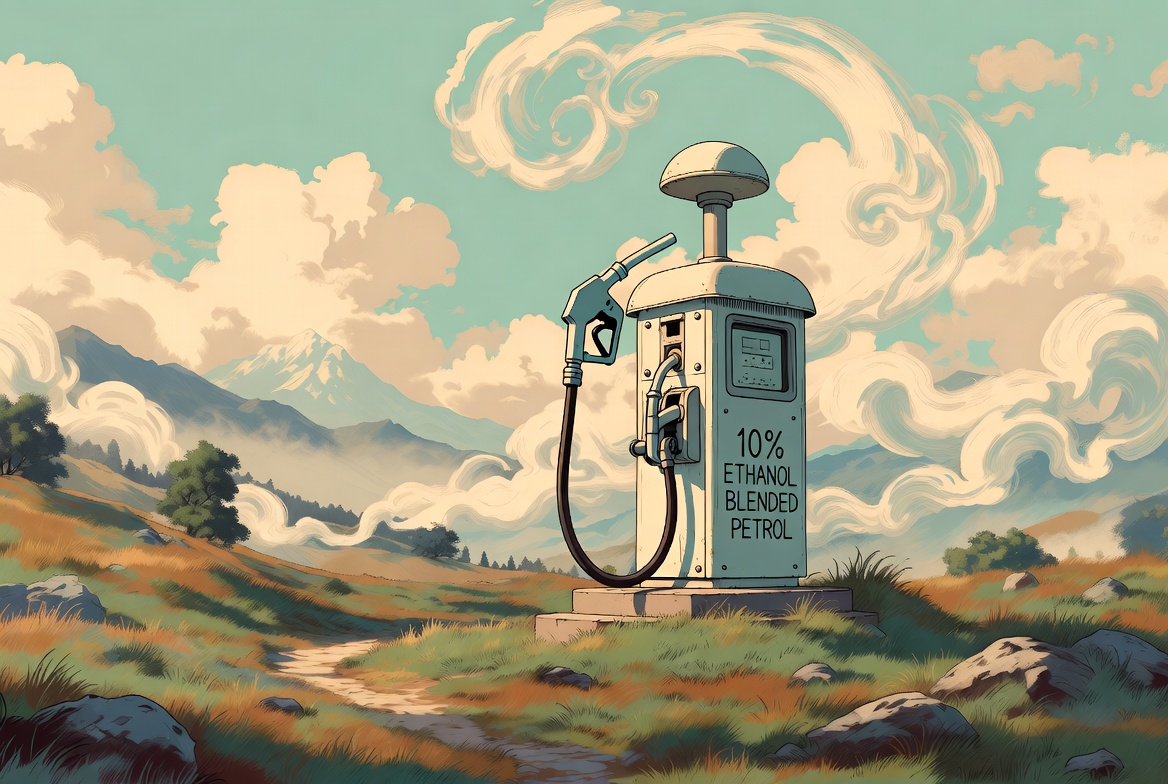
KATHMANDU: The government of Nepal is preparing to swiftly implement a policy mandating the blending of 10 percent ethanol in petrol, a move aimed at promoting clean energy, reducing petroleum imports, and boosting the domestic economy.
The announcement was made during a program organized today by the Nepal Economic Journalists’ Society (SEJAN) on “Ethanol Blending Policy in Nepal: Opportunities, Challenges, and Implementation Strategy,” where government and private sector representatives emphasized the urgent need to operationalize the policy.
Minister Highlights Long-Term Planning
Industry, Commerce, and Supplies Minister Anil Kumar Sinha stated that the decision to blend ethanol in petrol comes after decades of study and discussion. “Ethanol blending has been under study for nearly 20 years. All analyses are now complete, and the order for ethanol blending, approved in 2082 BS, is ready for publication in the official gazette and immediate implementation,” he said.
Minister Sinha highlighted that blending 10 percent ethanol in petrol could reduce Nepal’s annual petroleum import expenditure by approximately Rs 8 billion, helping narrow the trade deficit. He added that the policy would also encourage increased cultivation of sugarcane and other raw materials, expand agricultural land use, and stimulate the domestic economy.
While acknowledging the opportunities, he also noted potential challenges, including food security concerns if cash crop-centered agriculture expands. He further emphasized the potential for foreign investment in ethanol production and stated that ethanol prices should be set competitively lower than petrol to ensure industry viability.
Government Officials Support Policy
Govinda Bahadur Karki, Secretary at the Office of the Prime Minister and Council of Ministers, noted that several commissions and committees had previously studied ethanol blending and that the government’s order was based on their recommendations. He stressed that the policy aligns with national interests and is expected to continue under future governments.
Chandikaprasad Bhatt, Executive Director of Nepal Oil Corporation, assured that the program, long in preparation, will move forward without reversal. He said full implementation may take 12–18 months due to the need to establish quality standards for ethanol.
Implementation Plan and Private Sector Role
Shivram Pokhrel, Joint Secretary at the Ministry of Industry, stated that while commercial ethanol production has not yet begun in Nepal, the order paves the way for it. The government plans to set a minimum ethanol price, establish quality standards, and invite bids for production. Once the gazette notification is issued, a price-setting committee will select companies based on production capacity.
Private sector representatives highlighted the need for a conducive business environment to facilitate ethanol production. Ved Prasad Kharel, Chairman of Kian Chemical Industries, urged stronger government support to reduce administrative hurdles. Shashikant Agrawal, President of Nepal Sugar Producers Association, noted that Nepal consumes around 240,000 metric tons of sugar annually but produces only 200,000 metric tons domestically, indicating a realistic path to self-reliance within two years if ethanol production expands.
Consumer rights activist Madhav Timalsina emphasized that for the policy to succeed, pricing, quality, and market regulation must be clear. He warned that without effective monitoring and quality control, the goal of substituting imports may not be achieved.