Nepal on high alert as Nipah virus hits India’s West Bengal
The ministry has also urged people arriving from affected areas to undergo temporary quarantine and avoid close contact with others to prevent transmission.

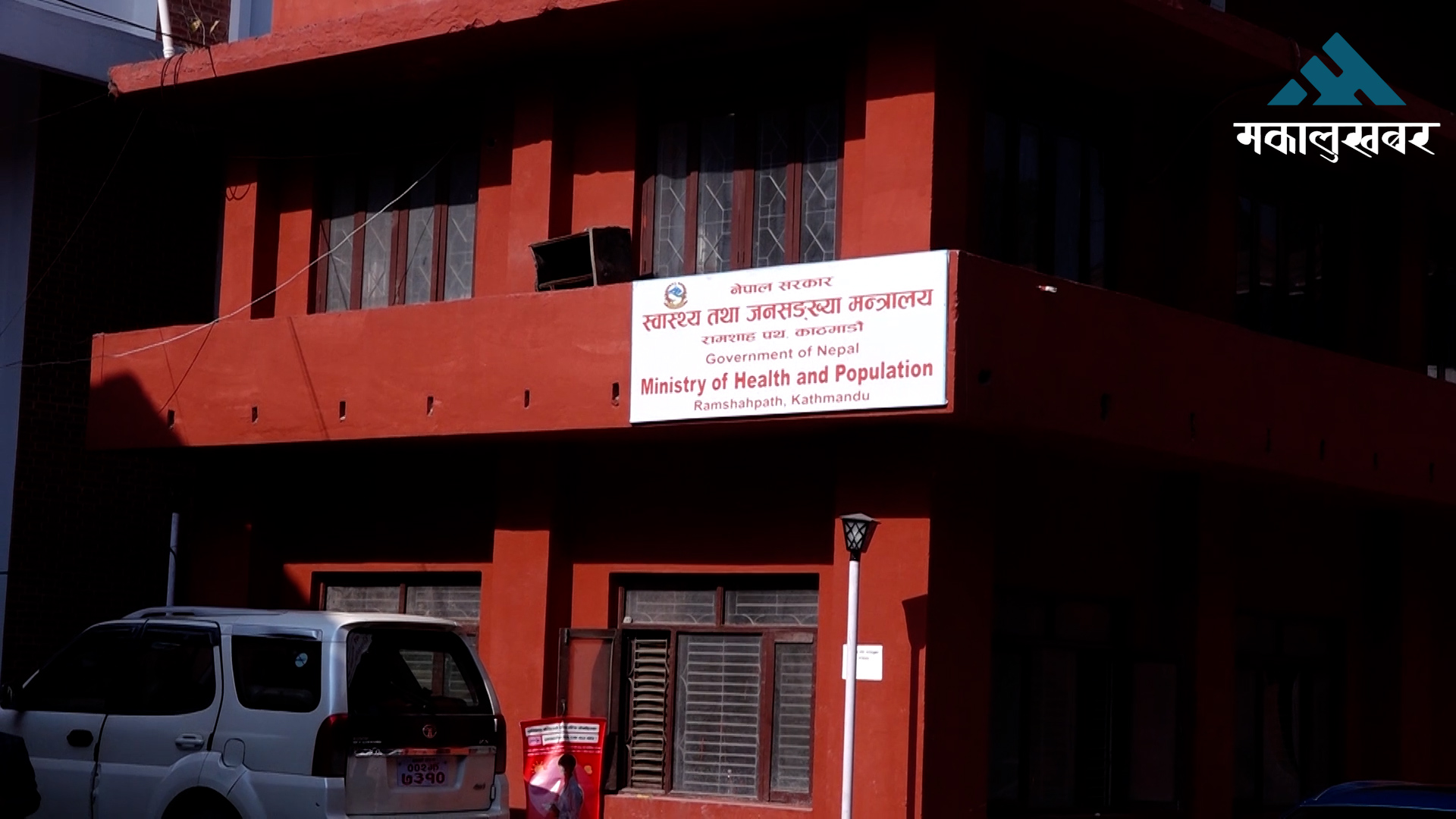
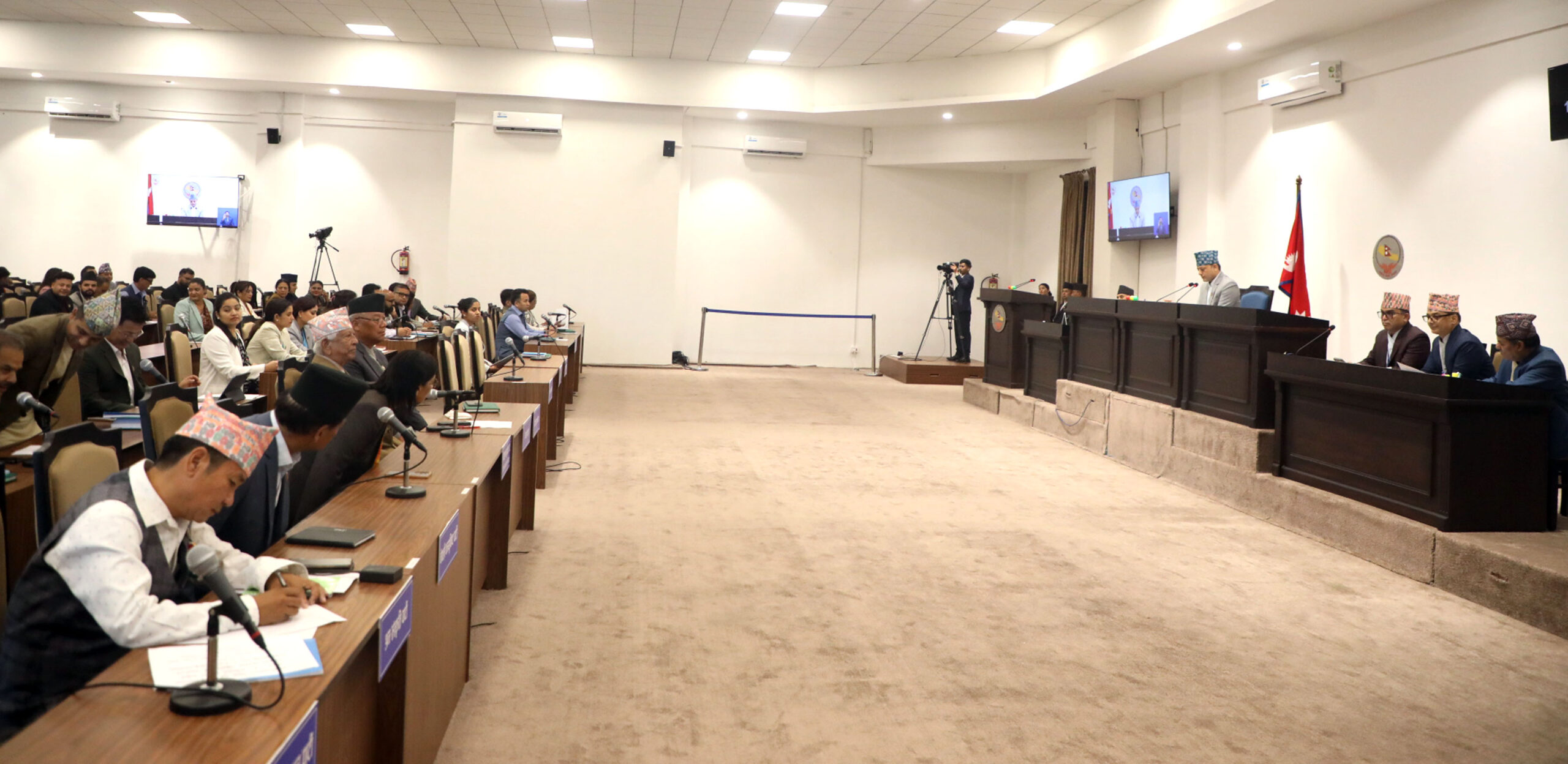
KATHMANDU: The Ministry of Health and Population of Nepal has heightened vigilance to prevent the spread of Nipah virus following confirmed infections in neighboring India.
According to the ministry, surveillance of all travelers entering Nepal through land and air checkpoints has been intensified after cases were reported in West Bengal, India, a few weeks ago.
Health desks have been set up at airports and border points to monitor travelers showing any symptoms of the virus.
Spokesperson Dr. Prakash Budhathoki stated that Nepal faces a high risk of Nipah virus transmission. He added that individuals suspected of infection will be directed to designated hospitals for treatment.
ince the virus can spread through fruit bats, pigs, or infected individuals, special preventive measures are being implemented.
The ministry has also urged people arriving from affected areas to undergo temporary quarantine and avoid close contact with others to prevent transmission.
About Nipah Virus
Nipah virus is a deadly zoonotic pathogen with a mortality rate ranging from 40% to 75%.
It primarily spreads to humans through fruit bats. The virus has come into focus again after cases were confirmed in West Bengal at the beginning of Jan 2026.
Current Outbreak in India
In Jan 2026, two nurses in Barasat, West Bengal, tested positive for Nipah virus.
Both were employed at Narayan Multispeciality Hospital and are in critical condition—one in a coma and the other on a ventilator.
This marks the virus’s return to West Bengal after 19 years, following previous outbreaks in 2001 and 2007.
Some reports indicate up to five cases. Around 120 high-risk contacts are under quarantine and surveillance.
Indian health authorities have deployed a National Joint Outbreak Response Team to trace the source of infection.
Initial investigations suggest the virus may have spread through raw date palm sap or contact with infected individuals.
While active virus was not detected in bat surveys, antibodies were found in one bat, indicating past infection.
Unlike Kerala, where Nipah outbreaks are more common, its appearance in West Bengal has raised fresh concern.
No lockdown has been imposed yet, but monitoring and testing have been intensified.
Risk and Preparedness in Nepal
Nepal has not reported any Nipah virus cases to date. However, the open border with West Bengal and the presence of fruit bats in Nepal increase the risk of transmission.
The Epidemiology and Disease Control Division has instructed hospitals nationwide to report patients showing Nipah-like symptoms or sudden deaths.
Health desks at the eastern border and Tribhuvan International Airport are on high alert.
Experts warn that the virus can spread across borders via bats, emphasizing preventive measures.
Symptoms and Transmission
Symptoms: Early signs include fever, headache, cough, and breathing difficulties. Severe cases can lead to encephalitis (brain inflammation), coma, and death.
Transmission: The virus spreads through bites or secretions from bats, consumption of contaminated fruits or raw date palm sap, and direct contact with infected individuals’ saliva, urine, or other bodily fluids.
Prevention
-
Avoid consuming raw date palm sap.
-
Do not eat fruits bitten by bats.
-
Seek immediate medical attention if exposed to infected individuals.
-
Maintain hygiene practices such as handwashing and mask-wearing.
Currently, there is no specific treatment or vaccine for Nipah virus. Supportive care can improve survival rates.
The World Health Organization has prioritized vaccine development.
Although Nepal’s current risk remains low, vigilance is crucial. Anyone displaying symptoms should contact the nearest hospital immediately.