Lipulekh, Kalapani yet to be utilized despite map inclusion: UML lawmaker
UML National Assembly Chief Whip described the decision to include the far-western border territories in Nepal’s map and constitution as a historic milestone.

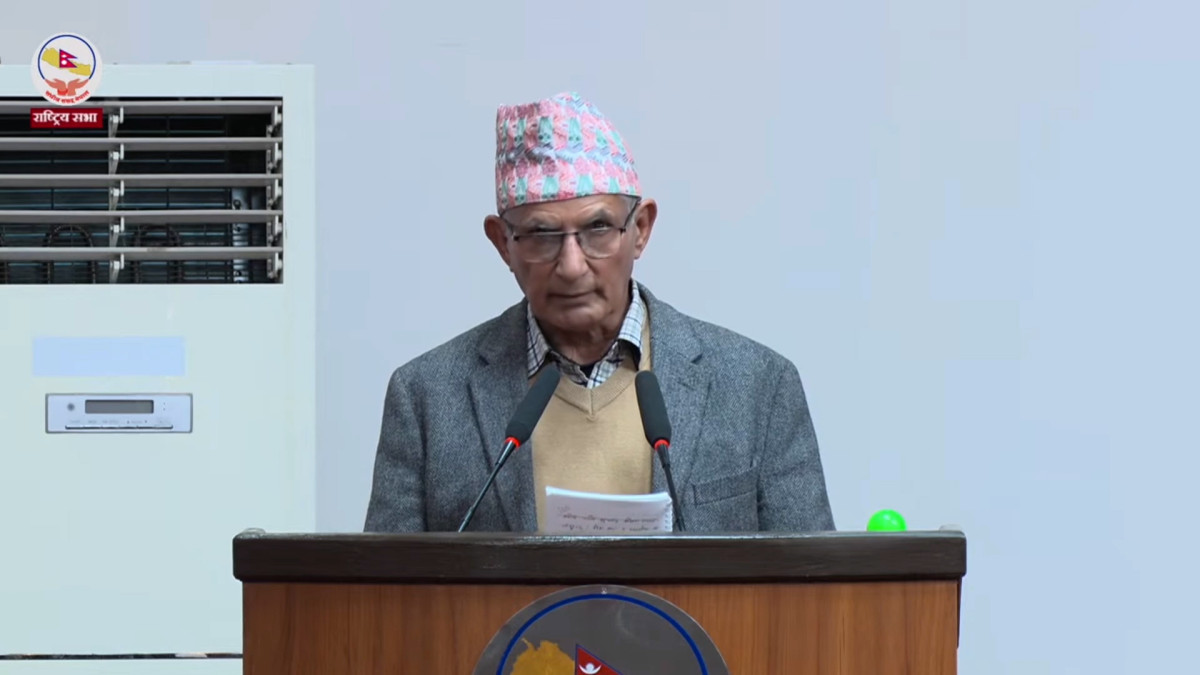
KATHMANDU: A CPN-UML lawmaker has stated that although Nepal successfully incorporated the disputed territories of Lipulekh, Kalapani, and Limpiyadhura into the country’s official map through a constitutional amendment, the nation has yet to practically exercise control over the areas.
Addressing the National Assembly on Wednesday during his farewell speech, the UML National Assembly Chief Whip described the decision to include the far-western border territories in Nepal’s map and constitution as a historic milestone.
He recalled the moment of signing the constitutional amendment as one of the most significant achievements of his political career.
According to him, despite the constitutional recognition of the territories, Nepal has not been able to practically utilize or administer the land.
He attributed this to prolonged political instability, which he said has weakened diplomatic initiatives and hindered effective implementation.
“Although laws are being formulated, their implementation remains challenging due to continuous political instability,” he remarked, stressing that the lack of stable governance has directly impacted diplomatic efforts aimed at reclaiming and managing the disputed territories.
The lawmaker underscored the need for political stability, even suggesting constitutional amendments if necessary, to ensure long-term national interest and safeguard Nepal’s sovereignty.
He emphasized that a stable political environment is indispensable for protecting national pride and achieving sustainable progress.
He also credited the National Assembly with playing a crucial role in preserving the Constitution. Claiming that certain forces had attempted to overturn the Constitution, he said such efforts were unsuccessful largely due to the existence and role of the upper house.
The UML leader further stressed that the National Assembly must continue to play a decisive role in ensuring the effective implementation of the Constitution and federalism in Nepal.