Leaders intensify campaigns ahead of March 5 House election
Party heads are visiting constituencies from the central region to remote districts, reaching out to citizens directly.

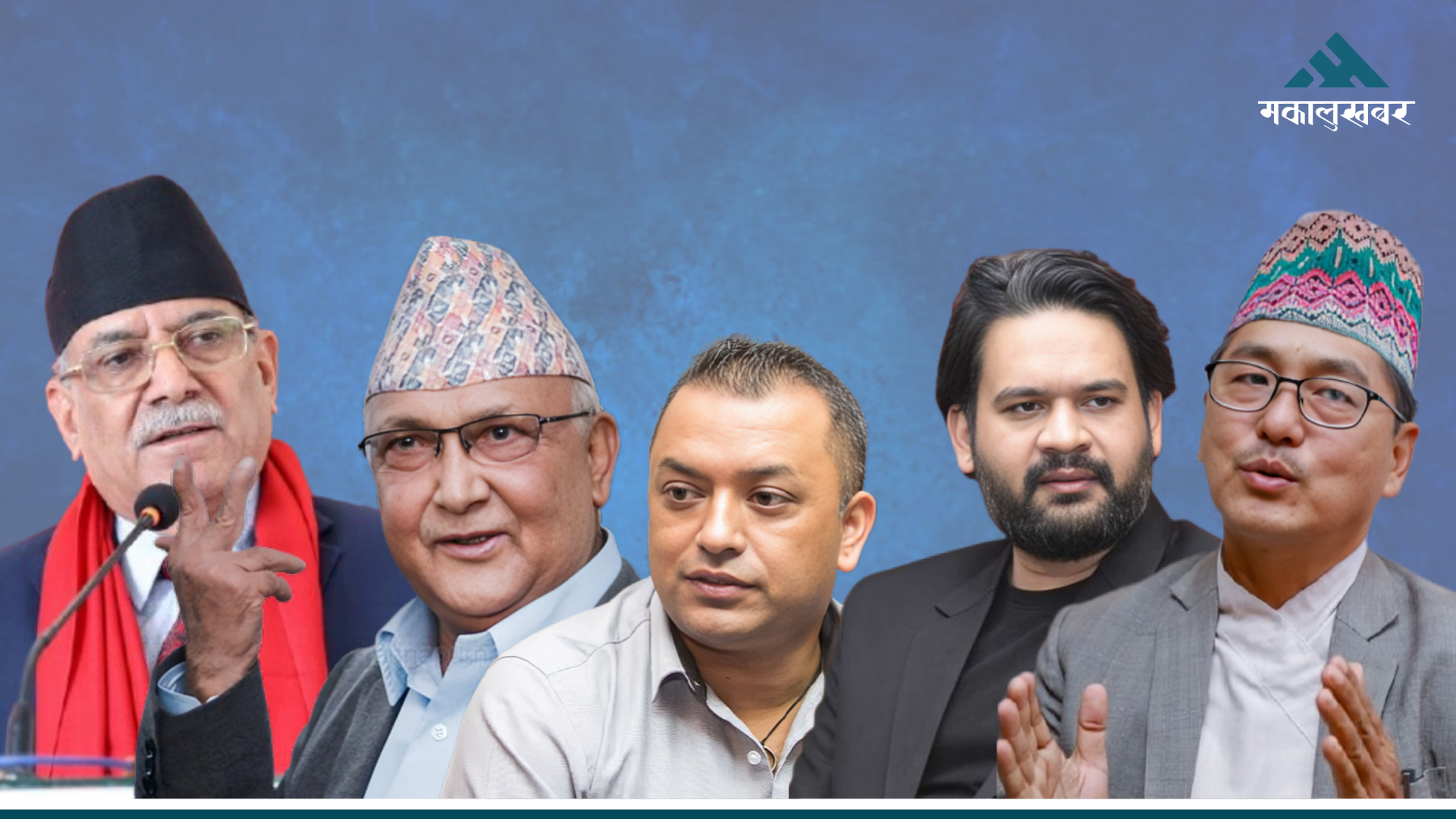
KATHMANDU: With the March 5 House of Representatives election approaching, top political leaders have launched nationwide campaigns to sway voters and strengthen their claims for the prime ministerial post.
Party heads are visiting constituencies from the central region to remote districts, reaching out to citizens directly.
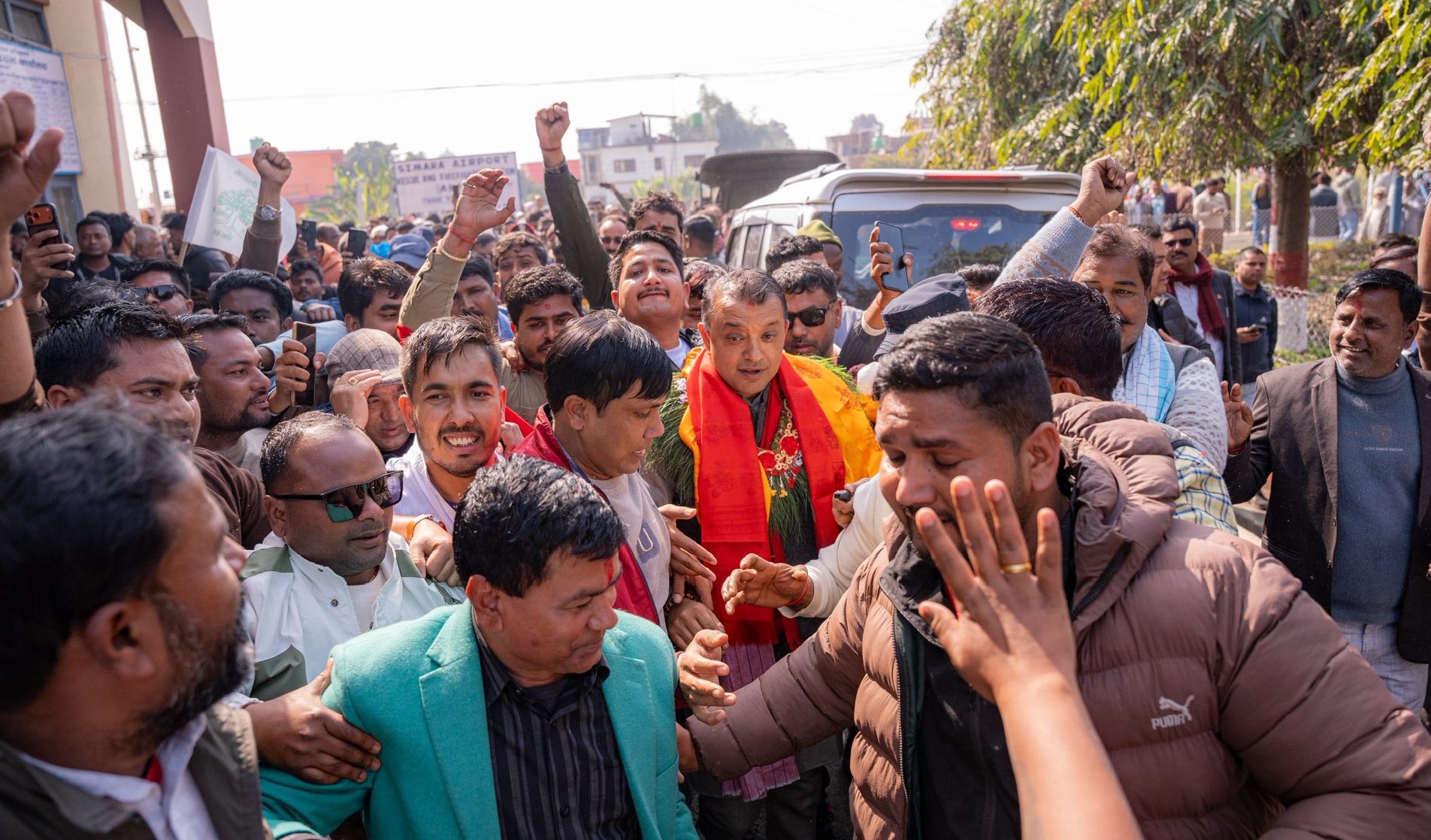
Nepali Congress President Gagan Kumar Thapa has been actively touring different parts of the country. After visiting Pokhara on Friday, Thapa participated in programs in the Koshi and Madhesh provinces. Addressing an election rally in Sunsari on Tuesday, he claimed that Congress would deliver good governance and eradicate corruption. “Congress has changed. We have fulfilled our promises,” he said, urging party workers to convey the message that “Congress can manage the country” through door-to-door outreach.
Meanwhile, CPN-UML Chair KP Sharma Oli is focusing on his own constituency, Jhapa-5.
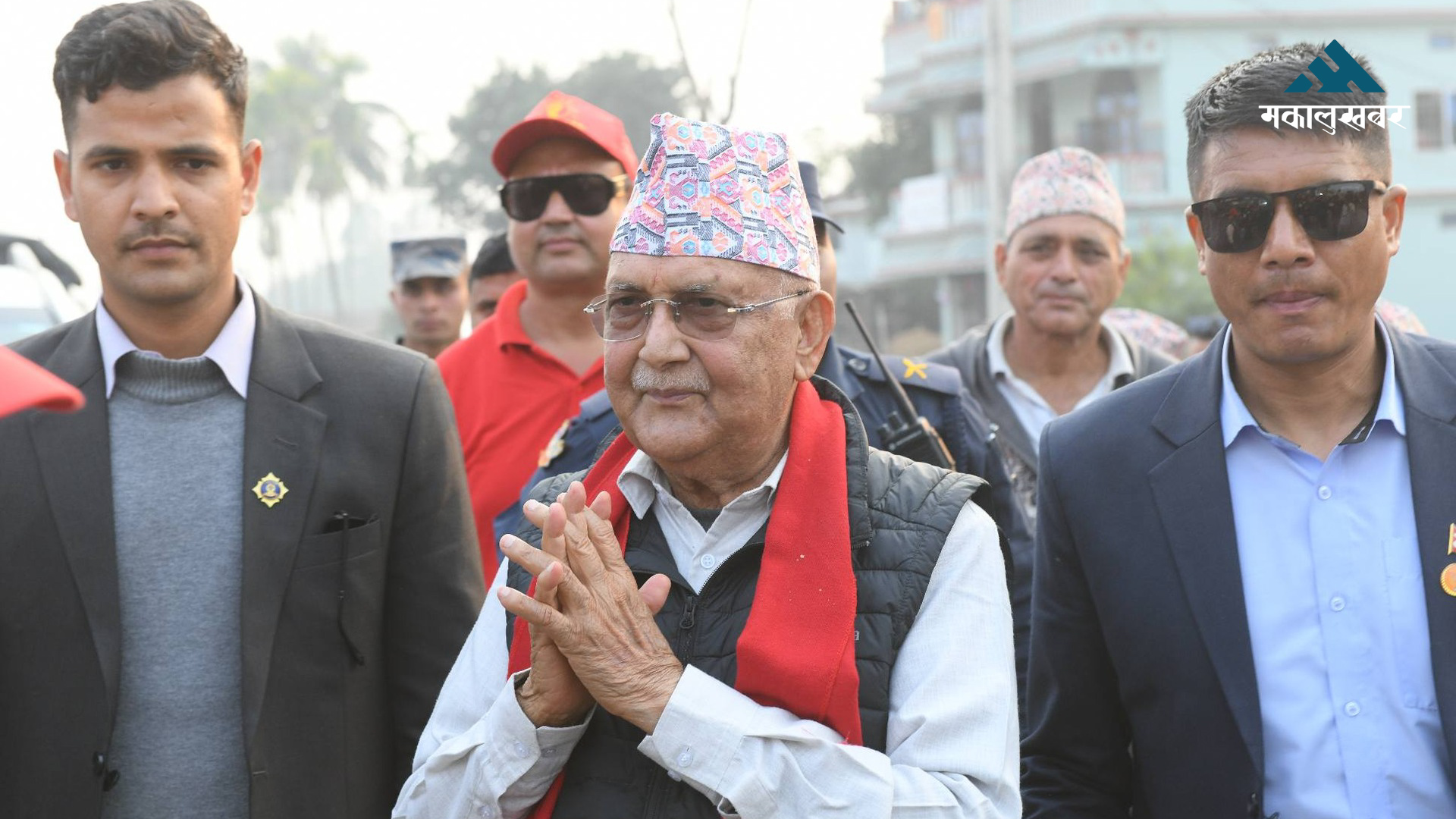
Stationed in his home district since Friday, Oli has spent time visiting voters and criticizing emerging political forces.
According to UML Vice-Chair Rambahadur Thapa ‘Badal’, Oli is unlikely to travel to all provinces this election.
Speaking at an event in Jhapa, Oli targeted Rastriya Swatantra Party (RSP) leader Balen Sah, saying, “Those who fail to serve their constituencies and have lost public trust are now moving to new areas.”
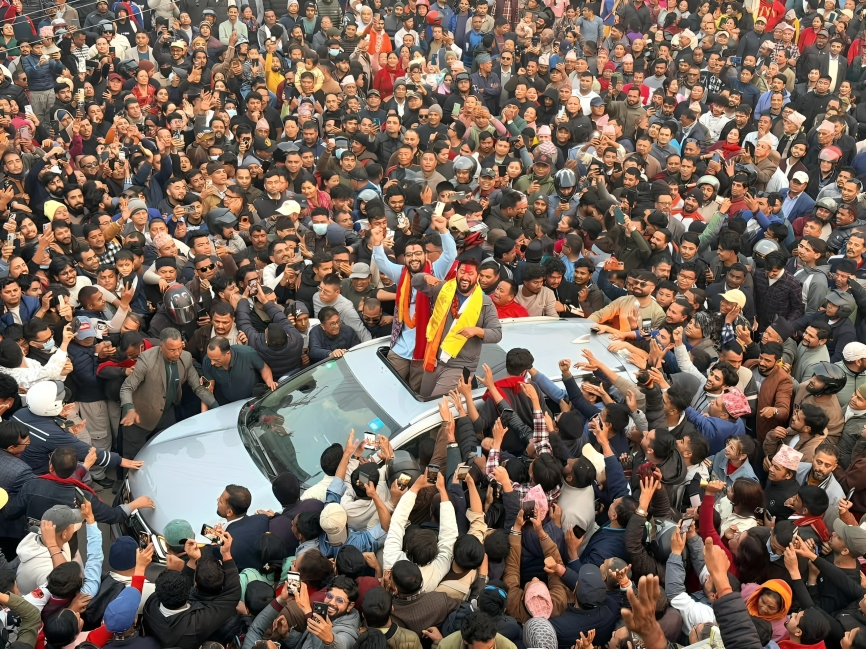
Balen Sah, emerging as a new political force, has toured from Taplejung in the east to Darchula in the west and is now focusing on the Madhesh Province. On Tuesday, he conducted a ‘road show’ in Rajbiraj along the Hulaki Highway, though he did not step out of his vehicle, surprising supporters.
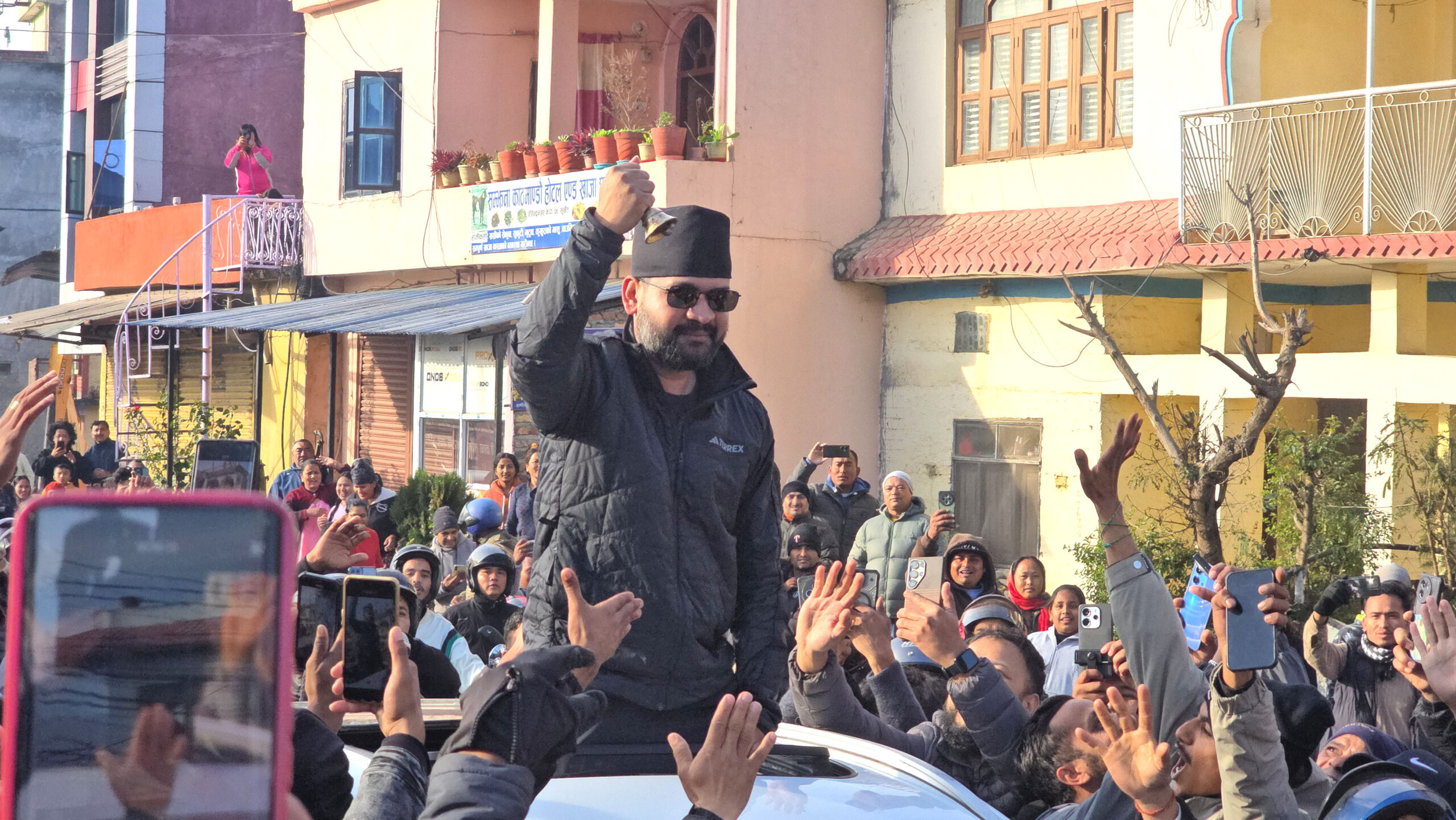
RSP President Rabi Lamichhane is prioritizing Chitwan and Nawalparasi. Despite warnings from local authorities in Nawalparasi over election code violations, Lamichhane continued his rallies as scheduled, claiming that Rastriya Swaspa would form a majority government after the March 5 election.
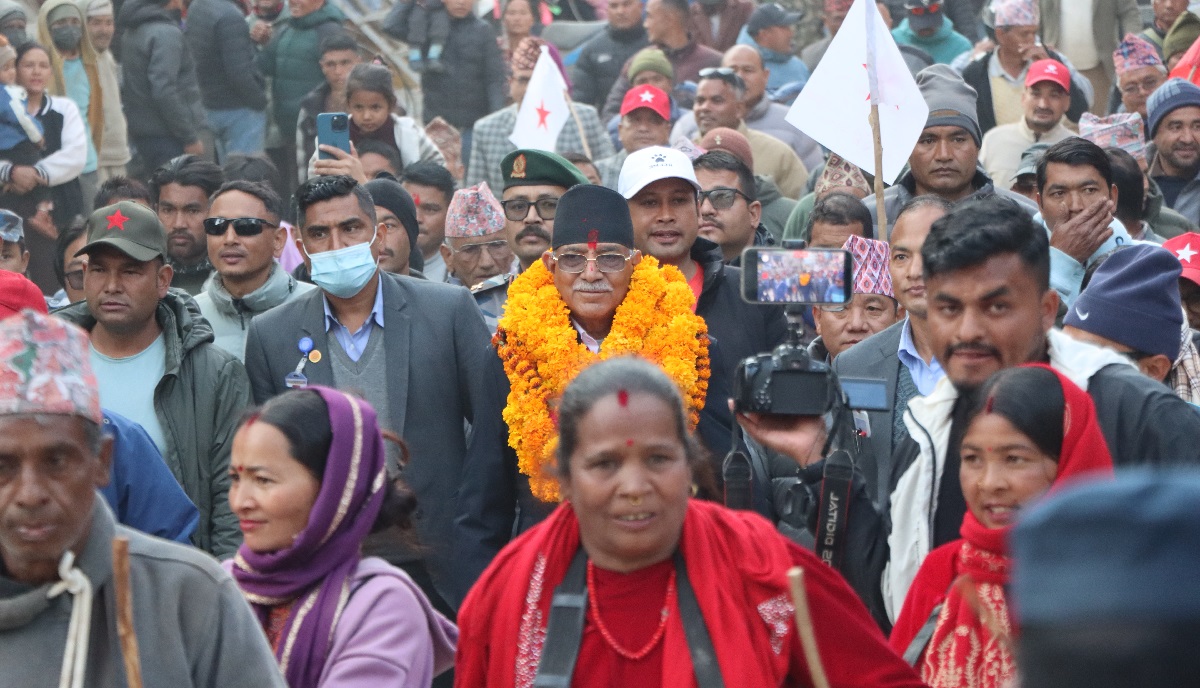
Meanwhile, CPN Chairperson Pushpa Kamal Dahal dismissed the Rastriya Swaspa surge as “stunts and illusions.” Busy with rallies in Kathmandu, Dahal warned that social media hype will not influence voters this time. “It’s easy to mislead people in new places, but stunts won’t work anymore,” he said, asserting that his party will emerge as the top force in the upcoming election.
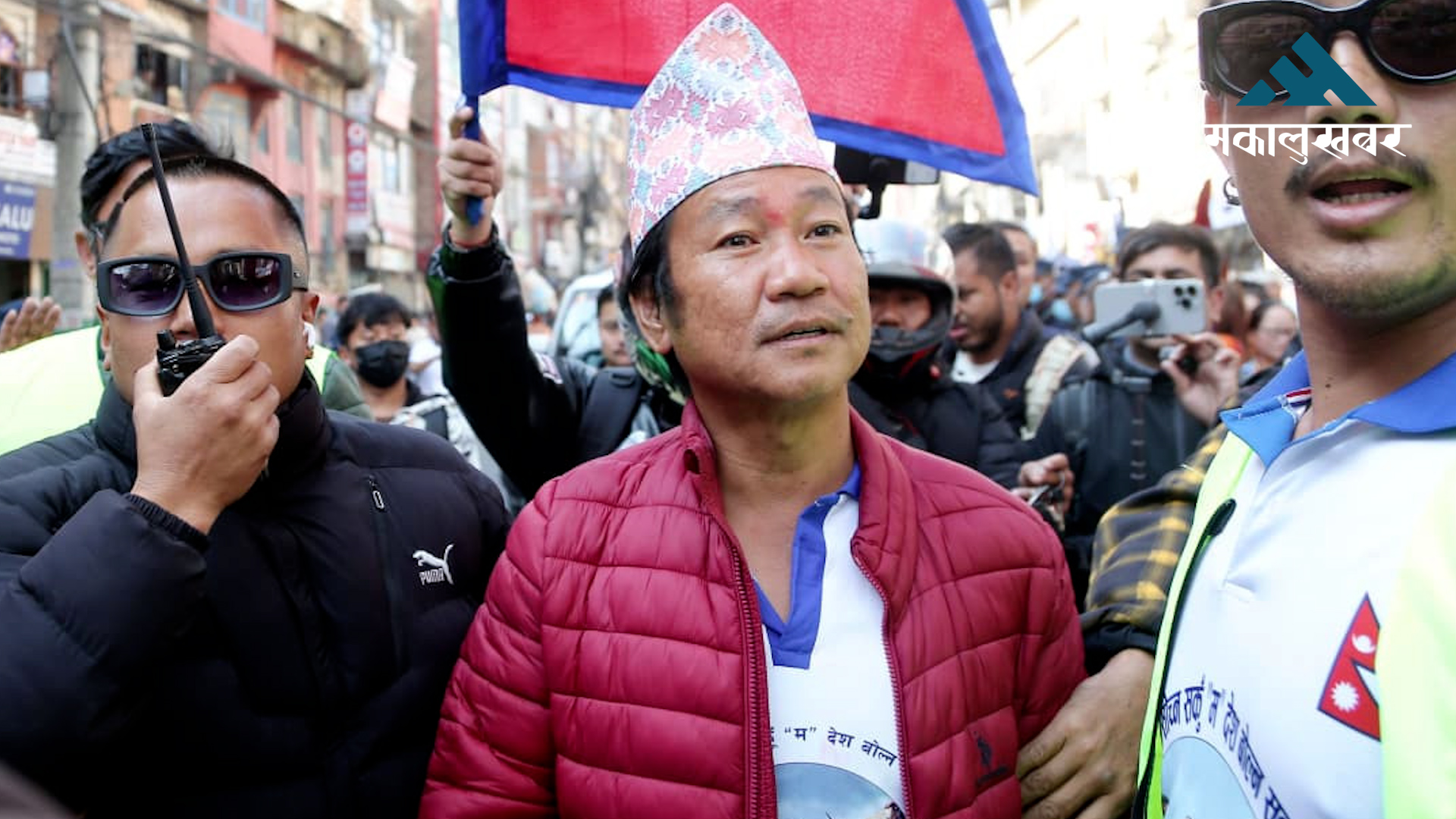
Other political leaders are also active on the campaign trail. Shram Sanskriti Party Chair Harka Sampang is focusing on Dharan and the eastern hills, while Ujyalo Nepal Party Chair Kulman Ghising is holding rallies in Madhesh Province. Congress Vice-Chair Bishwoprakash Sharma is campaigning across Lumbini Province.
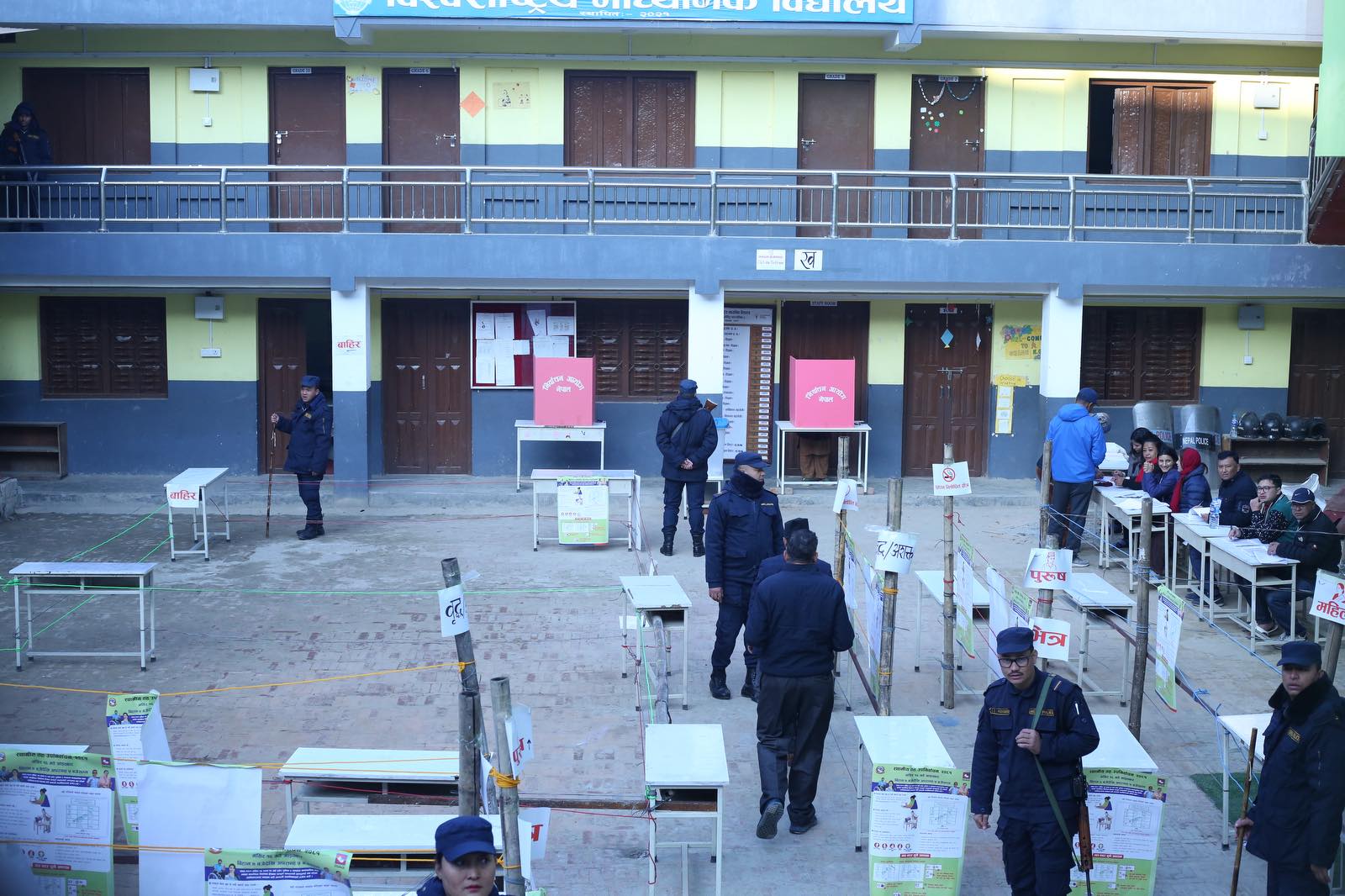
The Election Commission has scheduled formal rallies and door-to-door campaigns from Feb 16 to March 2.
However, leaders have already started election activities under various pretexts. With the Election Code of Conduct 2082 now in effect, authorities have tightened regulations in several areas.
The verbal clashes between UML Chair Oli and RSP leader Sah, along with the competition between established and emerging political forces, suggest that this election will be highly competitive and unpredictable.
For leaders in the prime ministerial race, there is dual pressure: securing their own seats and boosting their party’s nationwide support.
While some leaders planned rallies in all seven provinces, time and security constraints have led most to focus on specific priority areas