‘Lalibazar’ halt sparks outrage in film industry: Questions raised over censor certificate validity
The High Court Patan, in a single bench decision issued by Justice Prakash Dhungana, ordered that the film not be screened until Baisakh 22 (May 5).

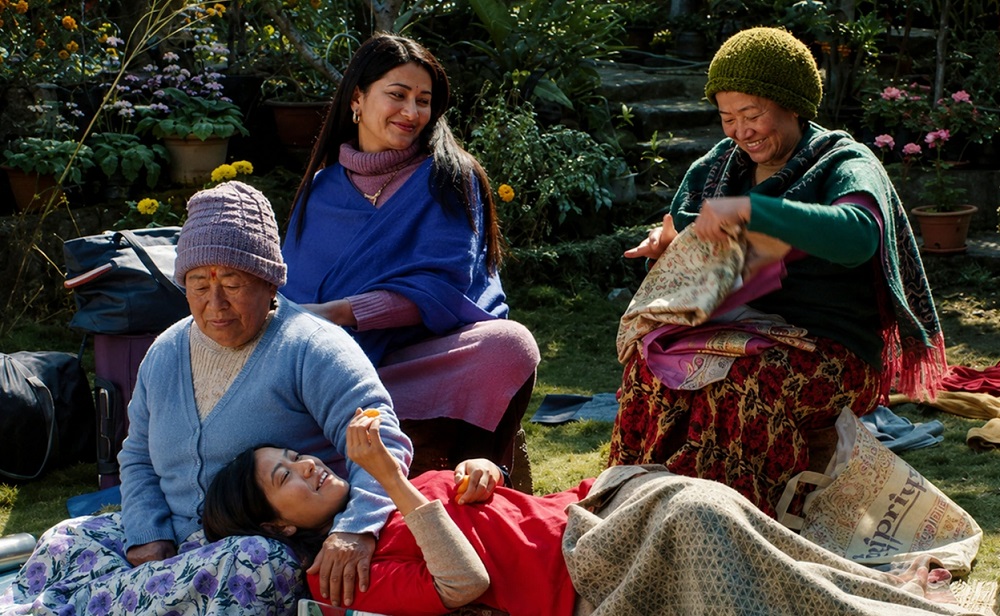
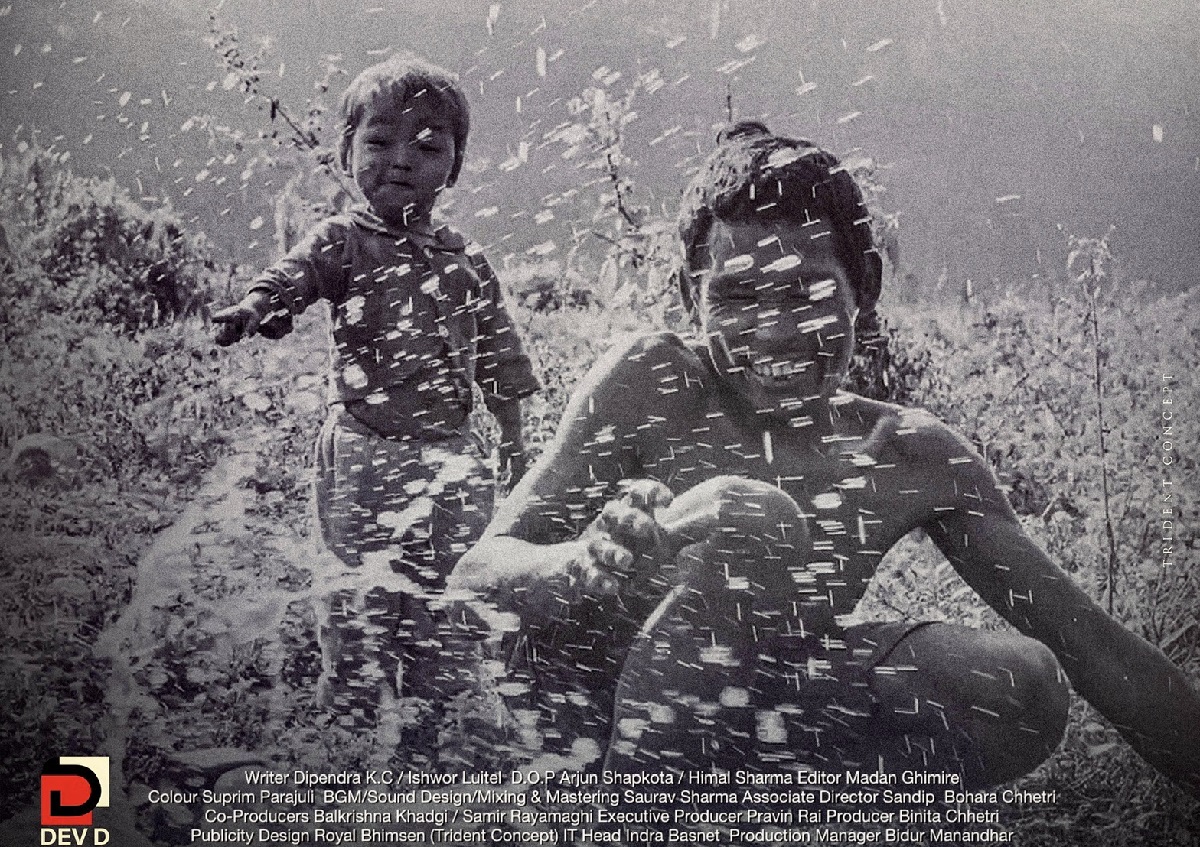
KATHMANDU: The scheduled release of the Nepali film “Lalibazar”, which was set to hit theatres from Baisakh 18 (May 1), has been temporarily suspended following a court order.
The High Court Patan, in a single bench decision issued by Justice Prakash Dhungana, ordered that the film not be screened until Baisakh 22 (May 5).
The legal action was filed on Monday, Baisakh 15 (May 28), by Roshi Nepali on behalf of the Wadi community, demanding a halt to the film’s release.
Following the court’s interim order, the film’s team also cancelled its planned premiere show at Civil Mall, Sundhara, which was scheduled for Tuesday. As a result, the film’s nationwide release has now fallen into uncertainty.
Interestingly, “Lalibazar” had already received a “U” (Universal) certificate from the Central Film Censorship Board (Censor Board) just one day before the case was filed. The certification allows audiences of all age groups to watch the film.
This is not an isolated incident in Nepali cinema. Earlier, on Magh 15 (Jan 29), the Kathmandu District Court had also issued an interim order preventing the release of the film “Actor: Take One”, citing similarities in title and storyline with another case filed against it. That decision had a significant financial impact on the film’s earnings.
Film professionals argue that such cases, where films are stopped despite receiving censor approval, are becoming increasingly common in Nepal. Many believe this reflects growing tension between creative freedom, public sensitivity, and legal intervention.
Strong Reactions from Film Industry
The court’s decision has sparked widespread debate within the Nepali film industry.
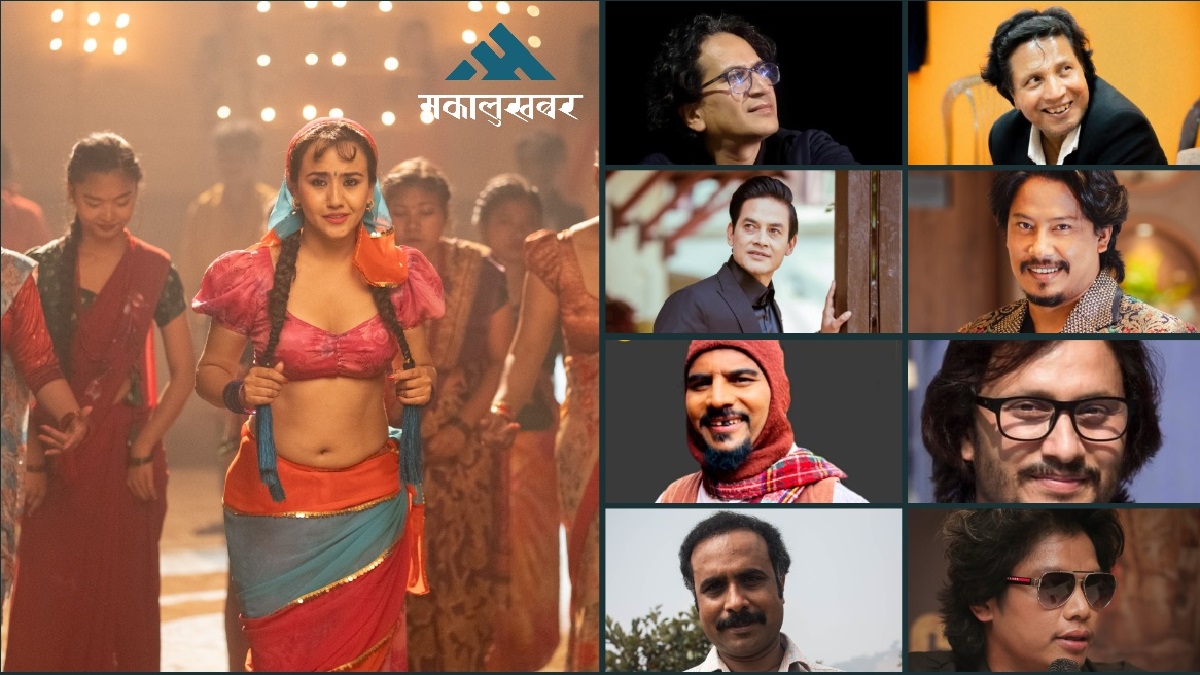
Director and actor Nischal Basnet expressed frustration, stating that repeated legal interventions at the time of release weaken filmmakers’ morale. He suggested that films should instead be registered and reviewed in court itself, even calling for the abolition of the Film Development Board and the Censor Board.
Actor Bijay Baral echoed similar concerns, sharing Basnet’s statement with the caption “Censor vs Court,” expressing dissatisfaction over the timing of the ban.
Comedian and actor Kedar Prasad Ghimire proposed a different approach, suggesting that films should only begin production after scripts are approved by the court, ensuring no disruption at the time of release.
Producer and director Santosh Sen described the halt of “Lalibazar” as an attack on freedom of expression, stating that preventing stories based on real societal issues reflects discomfort with truth and creativity.
Actor and writer Khagendra Lamichhane shared a philosophical response, saying that answering questions is far more difficult than asking them, and reflected on silence and observation amid controversy.
Actor-producer Deepak Raj Giri also raised concerns about financial losses, questioning who would compensate producers if a delayed verdict later allows the film’s release after its original schedule has passed.
Director Sudarshan Thapa criticized what he described as unnecessary interference in filmmaking, stressing that once a film has passed censorship approval, judicial intervention creates uncertainty and insecurity in the industry. He also suggested the need for a dedicated “film court” system to resolve such disputes.
Actor Ravindra Singh Baniya added that repeatedly obstructing strong films is a worrying trend and urged authorities to create a more supportive environment for filmmakers.
Growing Debate Over Creative Freedom
The controversy surrounding “Lalibazar” has reignited a broader national debate over freedom of expression, censorship, and judicial involvement in cinema.
While some stakeholders emphasize legal protection for communities, others argue that repeated last-minute bans harm the film industry and discourage creative storytelling.
As the court has ordered a halt until Baisakh 22 (May 5), the future of “Lalibazar” now depends on the next legal hearing, leaving both audiences and filmmakers in suspense.
-Tenzing Dolma Tamang