‘Lalibazar’ earns high praise at premiere, hailed as powerful social drama (photos)
Veteran comedy duo Madan Krishna Shrestha and Hari Bansha Acharya (Maha Jodi) highly praised the film’s story, direction, and performances after watching the premiere.

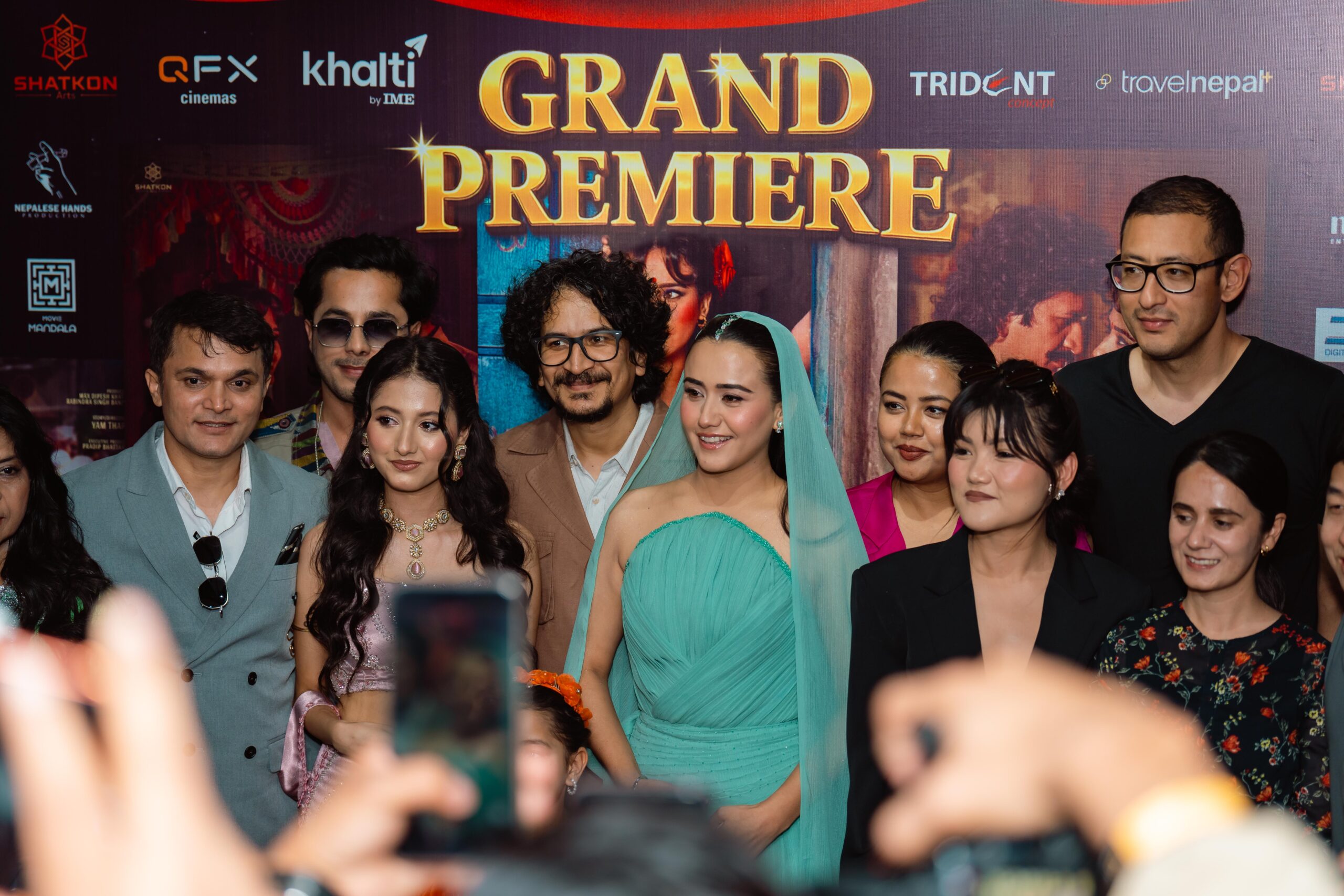
KATHMANDU: The film Lalibazar, released nationwide from Baisakh 25 (May 8), has received overwhelming praise from celebrities, filmmakers, and representatives of the Badi community following its grand premiere screening held on Thursday evening.
Veteran comedy duo Madan Krishna Shrestha and Hari Bansha Acharya (Maha Jodi) highly praised the film’s story, direction, and performances after watching the premiere.

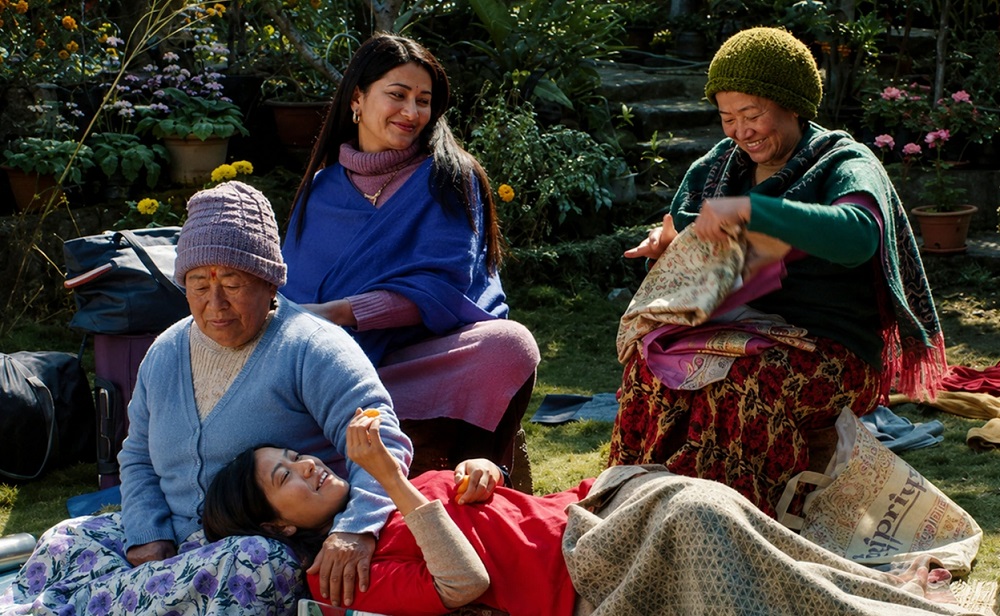
Madan Krishna Shrestha described Lalibazar as a “perfect film,” saying it excels in all aspects. “This film is outstanding in every way. It beautifully presents a Nepali story on screen. The emotional bond between a mother and daughter has been portrayed very effectively. I would give this film a full 10 out of 10,” he said, also appreciating the courage shown by the filmmakers in choosing such a subject.
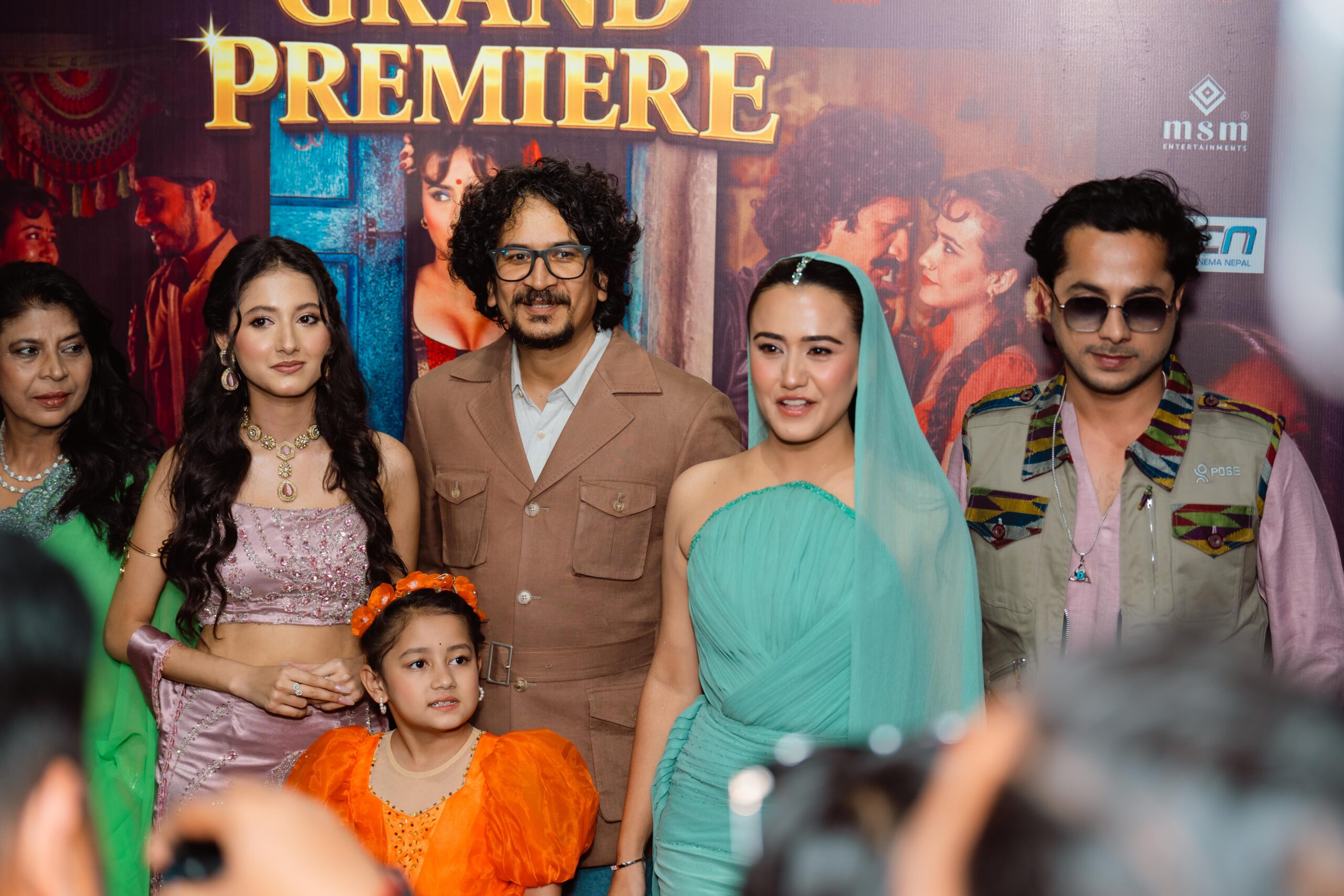
Hari Bansha Acharya also praised the film, calling it both socially meaningful and entertaining. “The film is extremely good. I cannot express it in words. It is among the best films I have seen,” he said.
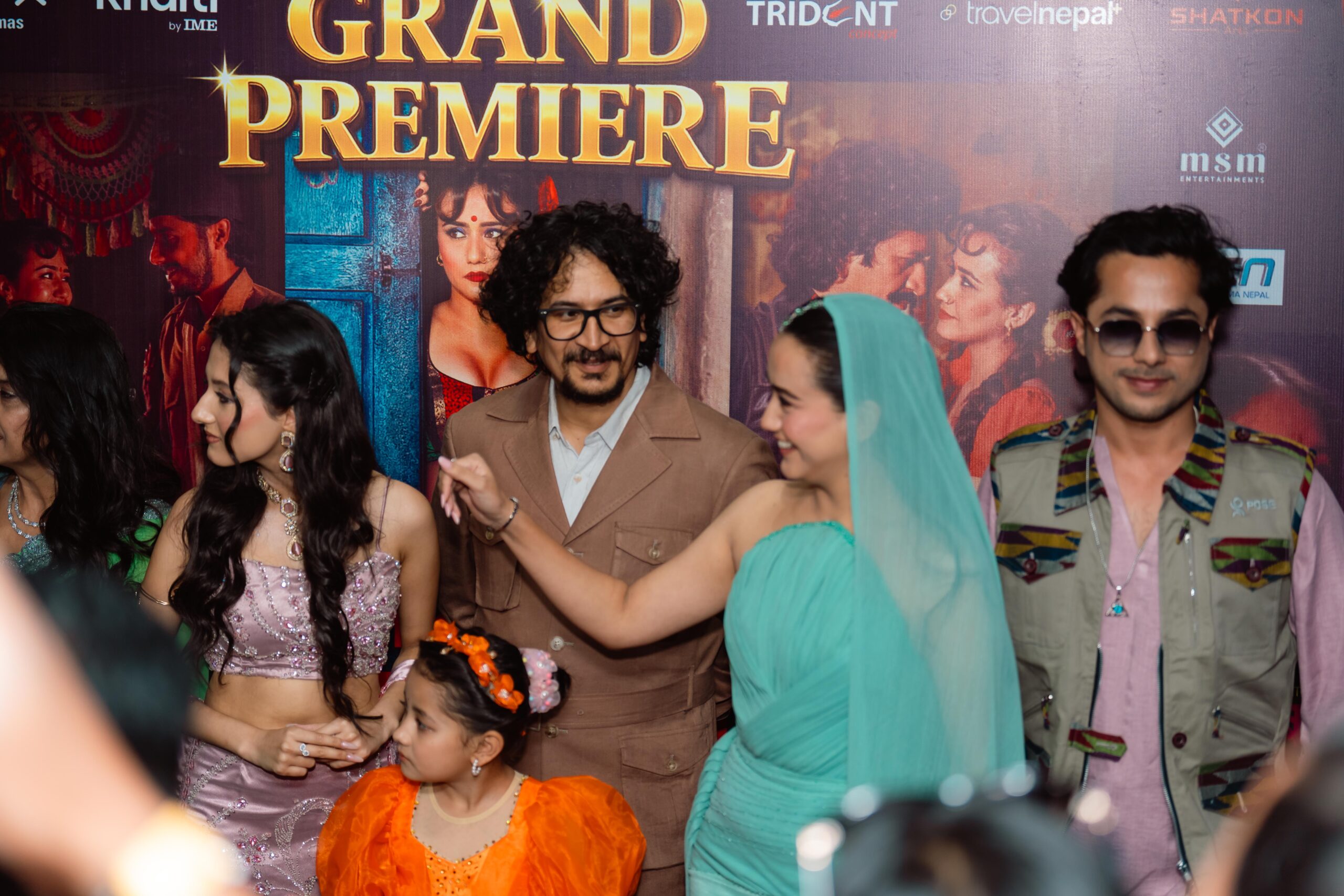
At the premiere, many filmmakers particularly appreciated actress Swastima Khadka’s performance, noting that her role moved the audience emotionally, even bringing tears to many eyes.
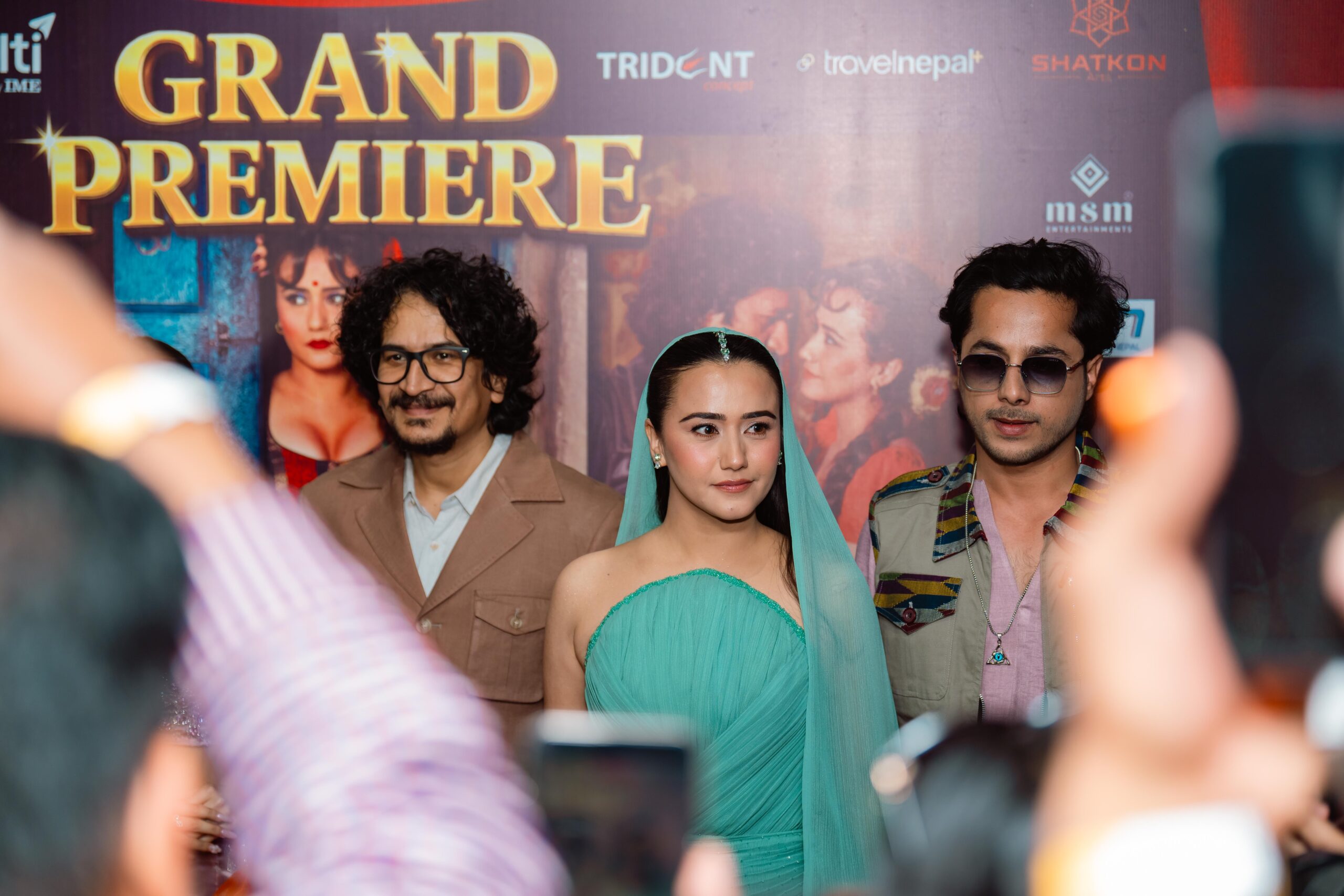
Chairperson of the Film Development Board Dinesh DC said Swastima has once again proven her acting strength. “She has further elevated her level through this film. Anyone who watches it will likely be emotional. This film will definitely become a big hit,” he said, adding that production house Shatkon Arts has made a strong film.
Former Minister Sumana Shrestha said the film effectively presents social discrimination and the need to address it in an easily understandable cinematic form. She praised Shatkon Arts for becoming more mature in selecting socially relevant themes.
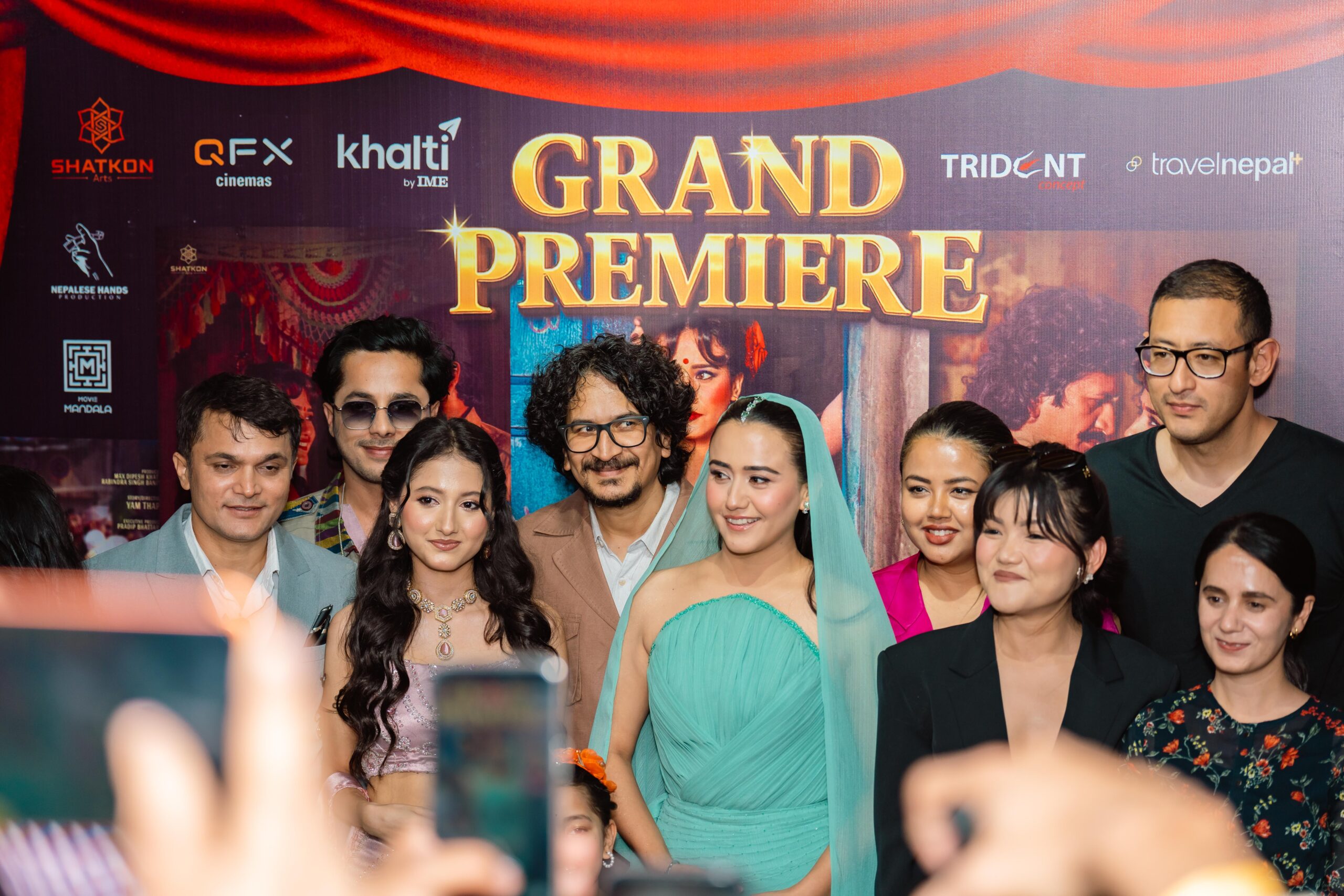
Similarly, leader Ravindra Mishra said the film artistically portrays a painful and cruel chapter of social discrimination in Nepali society. “I don’t understand why this film was brought into controversy. It is a powerful artistic expression of rebellion. It is the story of a mother and her struggle for her daughter,” he said, adding that the film delivers meaningful value to audiences.
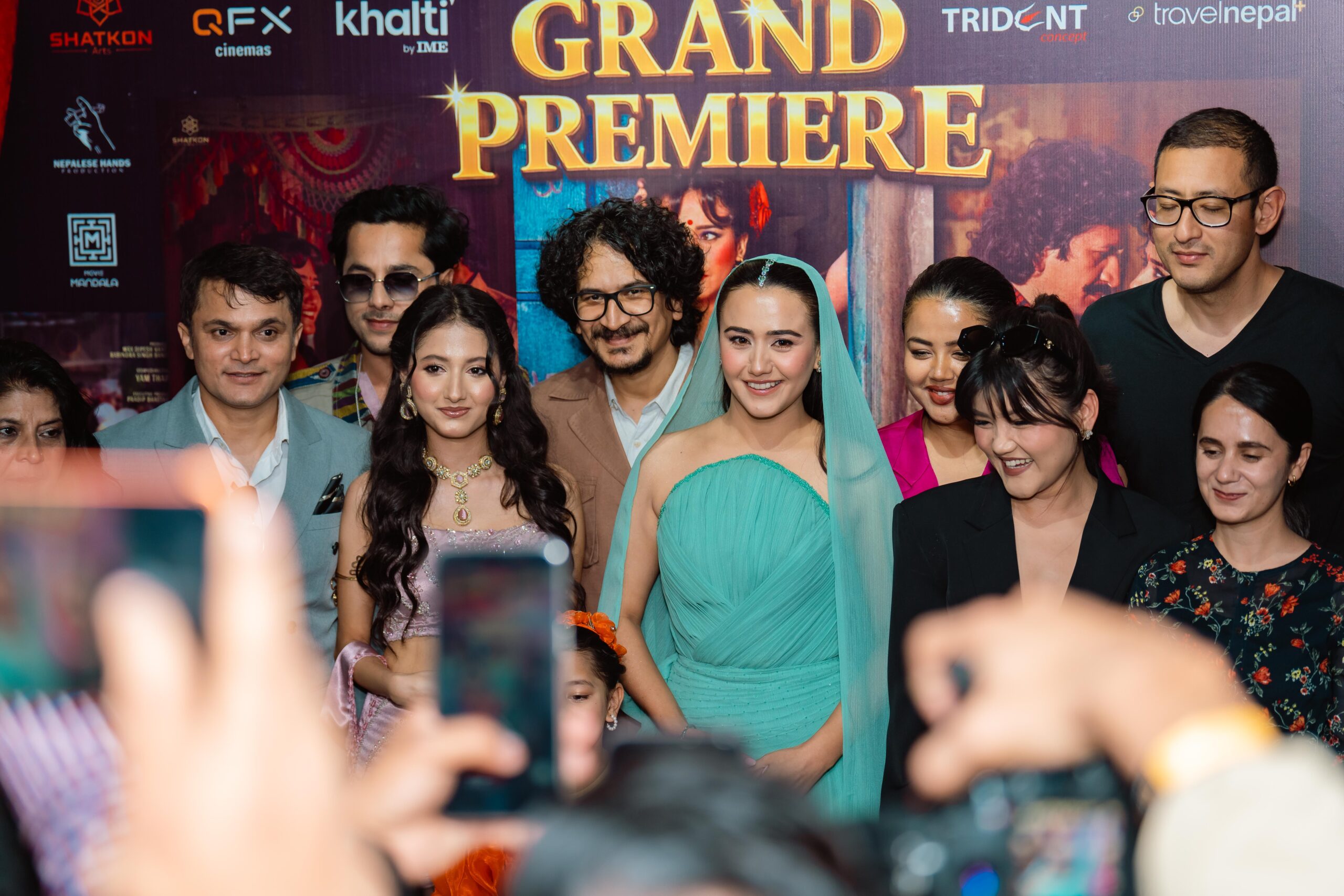
Badi community activist Devisara Badi shared an emotional response, saying the film reminded her of her own mother’s struggles. “This is also my story. My mother struggled to educate me. While watching, I saw my mother in the film. This is a must-watch film for every mother and daughter,” she said, adding that it represents pride for women across communities.
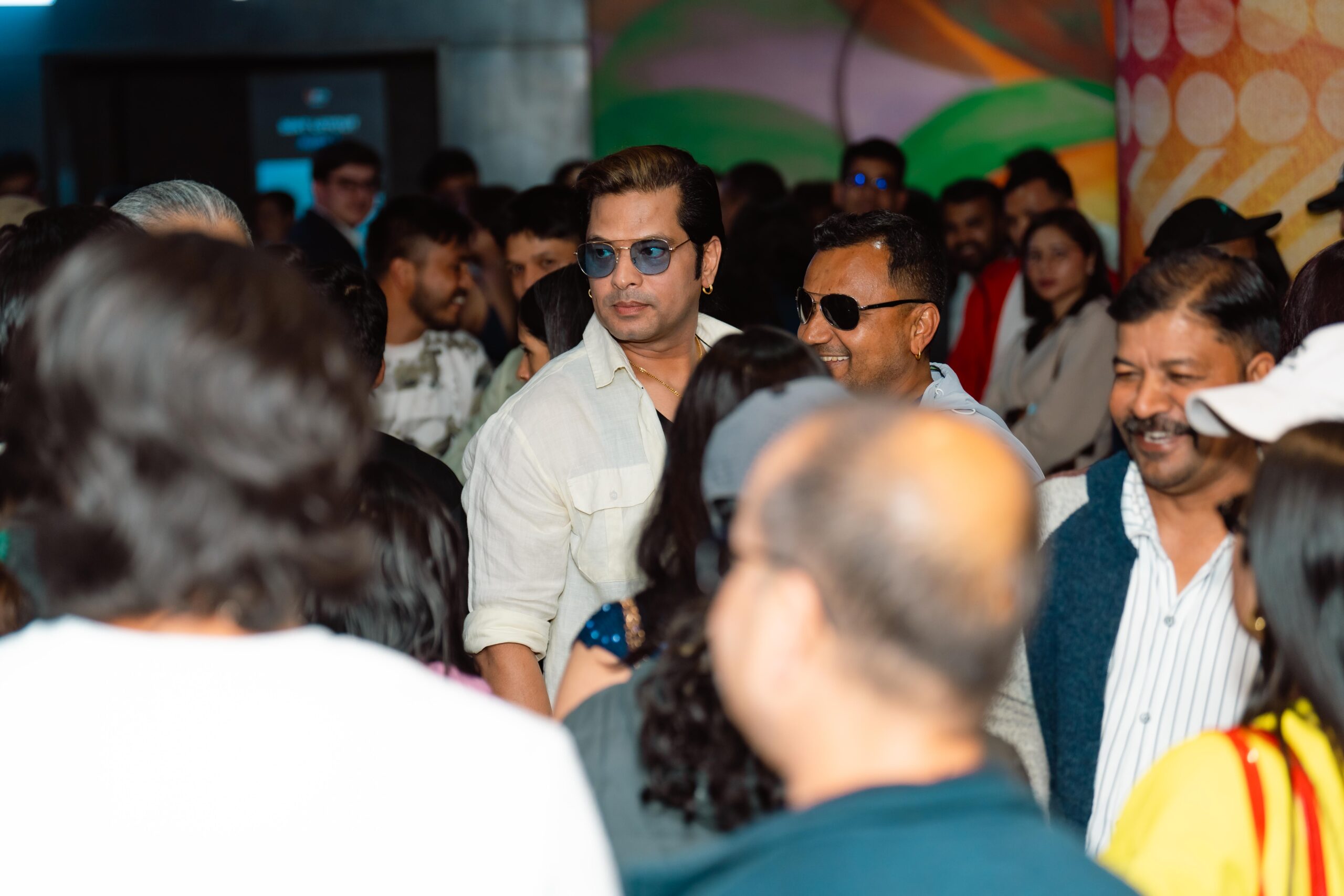
Director and actor Nischal Basnet also praised the film, saying it exceeded his expectations. “The film is more than I expected, even though I had high expectations due to its hype. It is both entertaining and carries an important message. That message must reach more audiences,” he said.
Other film personalities including Anoop Bikram Shahi, Mahesh Tripathi, Gauri Malla, Garima Sharma, Teriya Magar, and others also expressed that the film deeply touched them emotionally.
Director Yam Thapa said he is encouraged by the positive response from the first audience. “The reactions from filmmakers who watched the premiere have made me very excited. The film has now officially been released nationwide, and I am confident audiences will love it,” he said.
The film features performances from Swastima Khadka, Rabindra Singh Baniya, Samaira Thapa, Mukund Kumar Shrestha, Abhay Baral, Prem Pandey, Pradeep Dhakal, Asha Paudel, Govinda Sunar, Abha Aryal, Tara Sharma, Ramesh Badi, Saraswati Adhikari, Janaki Kadayat, Nischal Panthi, and Birbal Chaudhary, among others.
Lalibazar also marks the debut of Bishal Devkota and Prashansa Sunedi. Devkota is a theatre actor and director, while Suvedi is known as a Gen-Z activist.
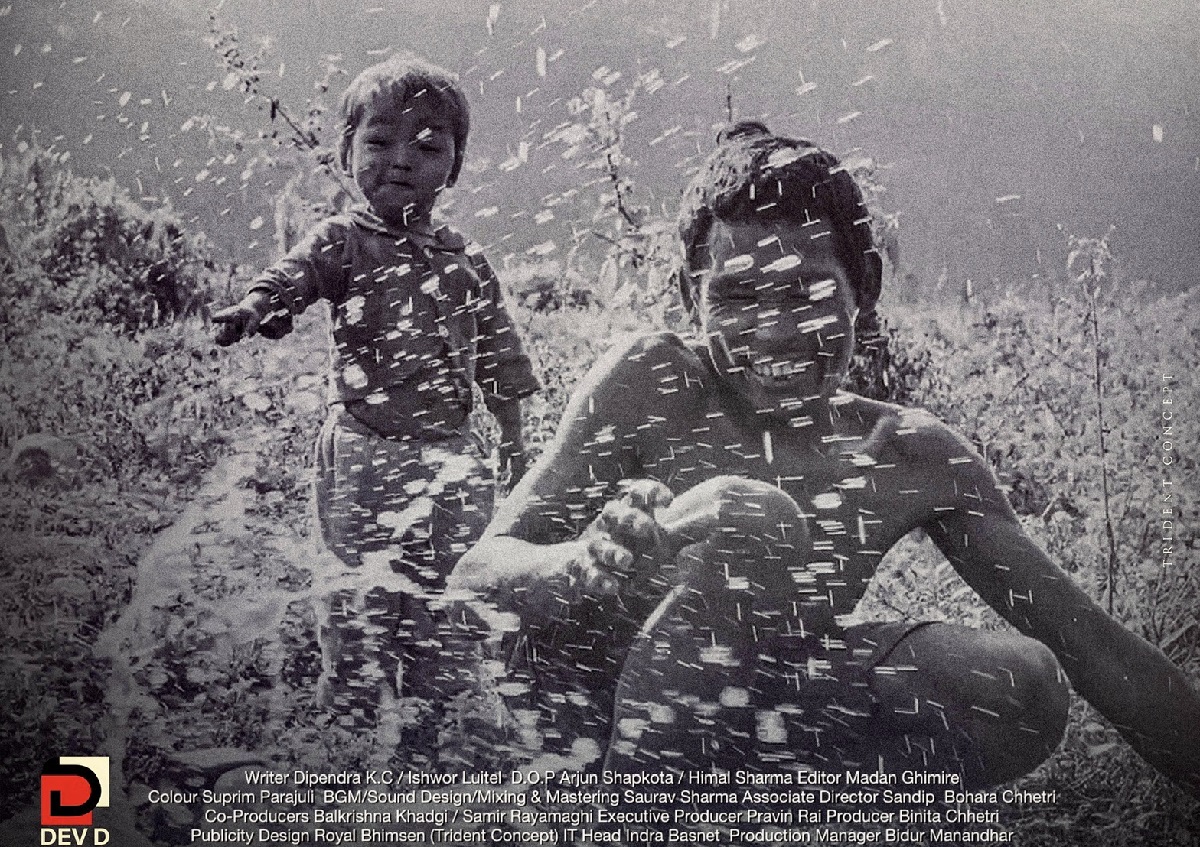
The film is directed and written by Yam Thapa, with the screenplay and dialogues jointly written by Thapa and Pradeep Bhattarai.
Bhattarai serves as executive producer, while Max Deepesh Khatri and Rabindra Singh Baniya are the producers.