Kabra Group biscuits found moldy, consumer outrage over health risks
Observers note that while the company seems concerned about maximizing earnings, little attention is given to the potential health risks posed to average consumers.

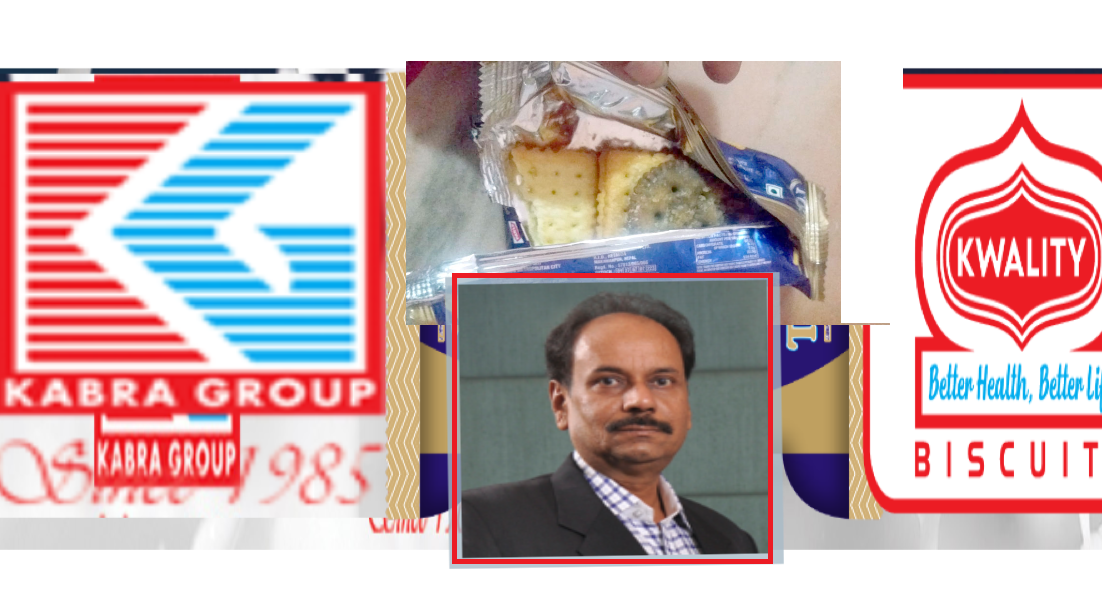
KATHMANDU: Consumers have expressed outrage after discovering moldy “Top Biscuits,” produced by the Kabra Group in Sunsari, being sold in local markets.
Widely available and affordable, these biscuits were found spoiled when buyers attempted to consume them, raising serious concerns about public health and food safety.
The Kabra Group, led by chair Ram Niwas Kabra, appears primarily focused on profit rather than consumer safety.
Observers note that while the company seems concerned about maximizing earnings, little attention is given to the potential health risks posed to average consumers.
The sale of such compromised products highlights glaring lapses in ethical business practices.
Consumer development activist, Bikash Dev Shrestha, recounted his experience, saying that upon opening a packet of Top Biscuits, he noticed one piece was moldy. On inspecting the entire packet, he found the middle biscuits spoiled. “I had heard such incidents before, but now I experienced it firsthand. Selling moldy biscuits is a serious violation of consumer health,” Shrestha said. He added that he had purchased the biscuits from a local store and kept photographic evidence as proof.
This incident is not isolated. Numerous consumers have previously reported issues with the Kabra Group’s biscuits, with locals also noting that Top Biscuits were often found moldy or of poor quality.
The Sunsari-manufactured biscuits are sold at Rs 10 per packet, with the company’s contact office located in Tripureshwor, Kathmandu.
However, there is no effective mechanism for addressing consumer complaints. Even the toll-free number provided by Kabra Group reportedly does not function, indicating a lack of accountability.
Consumers are demanding strict action against the company. “Why is a company allowed to sell moldy biscuits, endangering public health? Under the Consumer Protection Act, this is a punishable offense,” said one consumer.
While the Department of Food Technology and Quality Control (DFTQC) conducts routine inspections, penalties for violations are rare. During festival seasons, monitoring and press releases occur, but the sale of expired and spoiled products continues due to a lack of regular oversight and rigorous quality testing.
Experts stress the need for immediate and effective intervention by regulatory authorities. Preventive measures must be implemented to avoid recurrence, including strict monitoring of manufacturers, mandatory quality testing, and severe penalties for violations.
Consumers are also urged to be vigilant about their rights and lodge complaints with relevant authorities such as the Food Technology and Quality Control Office, Consumer Protection Forum, or District Administration Office. Publicizing such incidents on social media can also create pressure for accountability.
The Kabra Group must take immediate steps to improve product quality, including stringent quality control, proper storage practices, and rigorous testing.
Failure to do so could not only damage the company’s brand image but also erode consumer trust, potentially threatening the survival of the business.
This case underscores significant gaps in Nepal’s food safety system. Addressing such issues requires responsible participation from the government, private sector, and consumers alike. Public health must remain the highest priority, with no compromises.
Legal Consequences
The Consumer Protection Act, 2075 (Nepal) stipulates severe legal penalties for companies or individuals compromising consumer health.
Section 11 prohibits the production, sale, or distribution of substandard, expired, or harmful products. Those responsible can be held liable for damages to consumer health.
Section 12 allows fines up to Rs 500,000, imprisonment up to one year, or both. Repeat offenders face stricter penalties.
Section 13 mandates that companies compensate affected consumers if health impacts occur.
Although the DFTQC oversees monitoring and testing, substandard products continue to circulate in the market, exposing weaknesses in enforcement.
Further investigations and follow-up reports on this issue are planned.