Iran defies pressure as conflict escalates, exposing limits of U.S.–Israel strategy
Tehran demonstrates sustained military capability despite claims of weakened command, raising fears of wider Middle East crisis

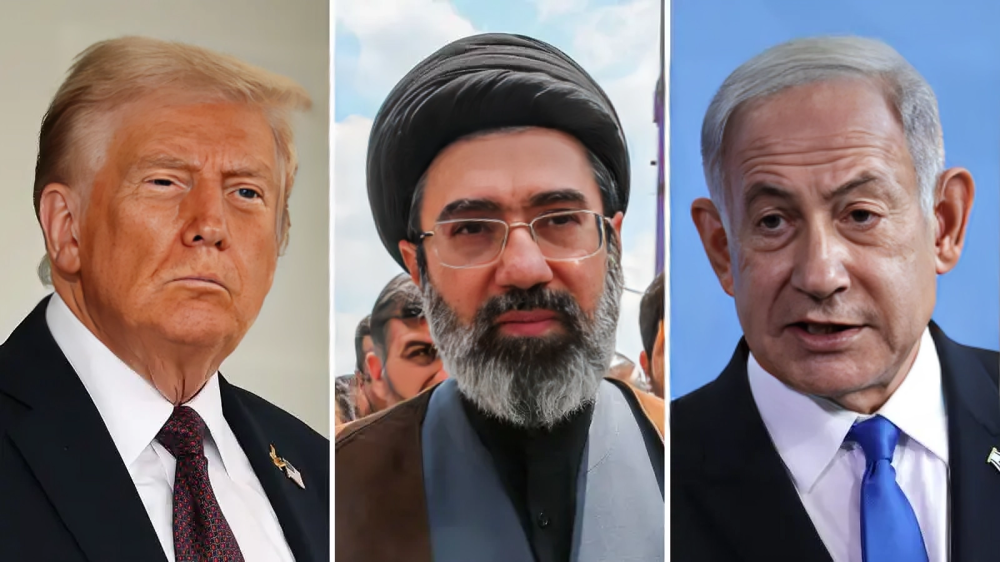
KATHMANDU: Recent weeks have seen intensifying claims from Donald Trump and U.S. defense officials that Iran’s military structure has been significantly degraded. However, developments on the ground suggest a starkly different reality, with Iran continuing to demonstrate resilience and operational strength.
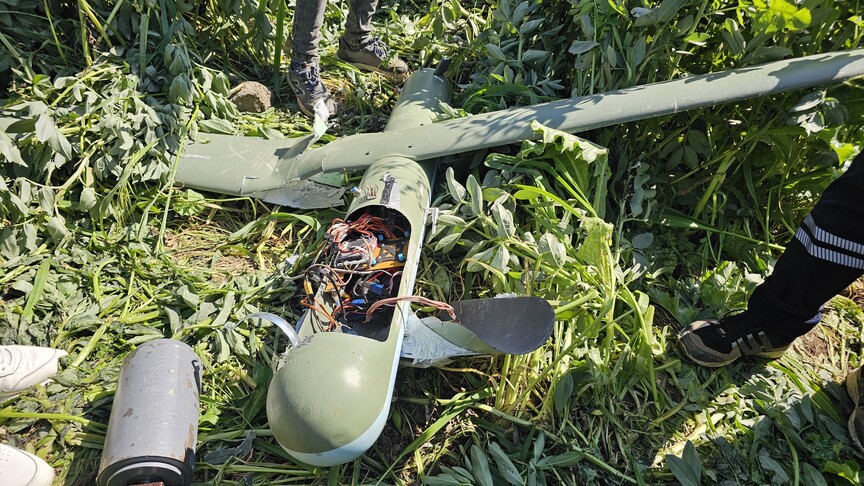
Despite assertions that Iran’s command system had been dismantled and its retaliatory capacity neutralized, Tehran has carried out a series of coordinated counterattacks, signaling that its military capabilities remain intact. These actions have challenged the long-held assumption that eliminating top leadership would paralyze Iran’s defense apparatus.
In a striking revelation, Iran reportedly launched two long-range missiles toward the joint U.S.-UK military base on Diego Garcia in the Indian Ocean on Saturday. Although the missiles failed to reach their intended target, the launch distance—approximately 3,800 kilometers—far exceeded prior estimates of Iran’s missile range, previously believed to be around 2,000 kilometers. This suggests either undisclosed capabilities or rapid advancements under wartime pressure.
Meanwhile, Iran has also expanded the scope of its targets. An attack on the city of Dimona—widely associated with Israel’s undeclared nuclear facility—has sent a clear message that even the most sensitive locations are no longer beyond reach. This follows earlier Israeli strikes on energy infrastructure near Bushehr, home to Iran’s nuclear facilities.
Questions are mounting over who is directing Iran’s military operations. Reports have indicated heavy losses among senior leadership and the destruction of key missile installations. Yet, the continued coordination of attacks suggests an operational chain of command remains functional. Notably, Ali Khamenei’s presumed successor, Mojtaba Khamenei, has not appeared publicly, while President Masoud Pezeshkian has maintained a low profile.
Diplomatic efforts appear to be narrowing. Recent talks in Geneva and Vienna had reportedly addressed several U.S. concerns, but military action followed shortly after expressions of dissatisfaction from Washington. This sequence has reinforced perceptions within Iran that engagement at the negotiating table does not guarantee de-escalation.
Tensions escalated further after Trump issued a 48-hour ultimatum demanding Iran ensure the security of the strategically critical Strait of Hormuz, warning of devastating strikes on energy infrastructure. Tehran rejected the demand, cautioning that any such attacks would trigger widespread retaliation across the Middle East, including the deployment of naval mines in the Persian Gulf.
However, just hours before the deadline expired, Trump announced a five-day suspension of planned military action, citing “very good and productive dialogue.” The move led to a slight dip in global oil prices, but analysts remain divided on whether this signals a genuine path toward de-escalation or merely a temporary pause in an increasingly volatile conflict.
If tensions surrounding the Strait of Hormuz persist, the consequences could be severe. The disruption of one of the world’s busiest transit routes threatens not only global energy markets but also the livelihoods of approximately 90 million Iranians and an estimated 170 million people across the wider Middle East.
For Iran, the confrontation serves a dual purpose—countering external threats while consolidating internal political authority amid rising domestic pressure. Yet, with the United States and Israel unable to secure a decisive outcome through air power alone, and Iran showing no signs of backing down, both sides now face increasingly constrained options.