Govt to open subsidized stores ahead of festivals from Sept 15
The initiative, decided on Aug 24, will be implemented through the Food Management and Trade Company Limited and Salt Trading Corporation.

KATHMANDU: The Ministry of Industry, Commerce, and Supplies has announced that subsidized stores will be opened from Sept 15, targeting the upcoming festival season.
The initiative, decided on Aug 24, will be implemented through the Food Management and Trade Company Limited and Salt Trading Corporation.
The Ministry stated that these stores aim to provide essential food and consumer goods at discounted prices throughout the festival period, prioritizing the welfare of general consumers.
According to Shivaram Pokharel, Head of the Supply Management and Consumer Protection Division, circulars have already been issued to the two companies to operate the subsidized stores.
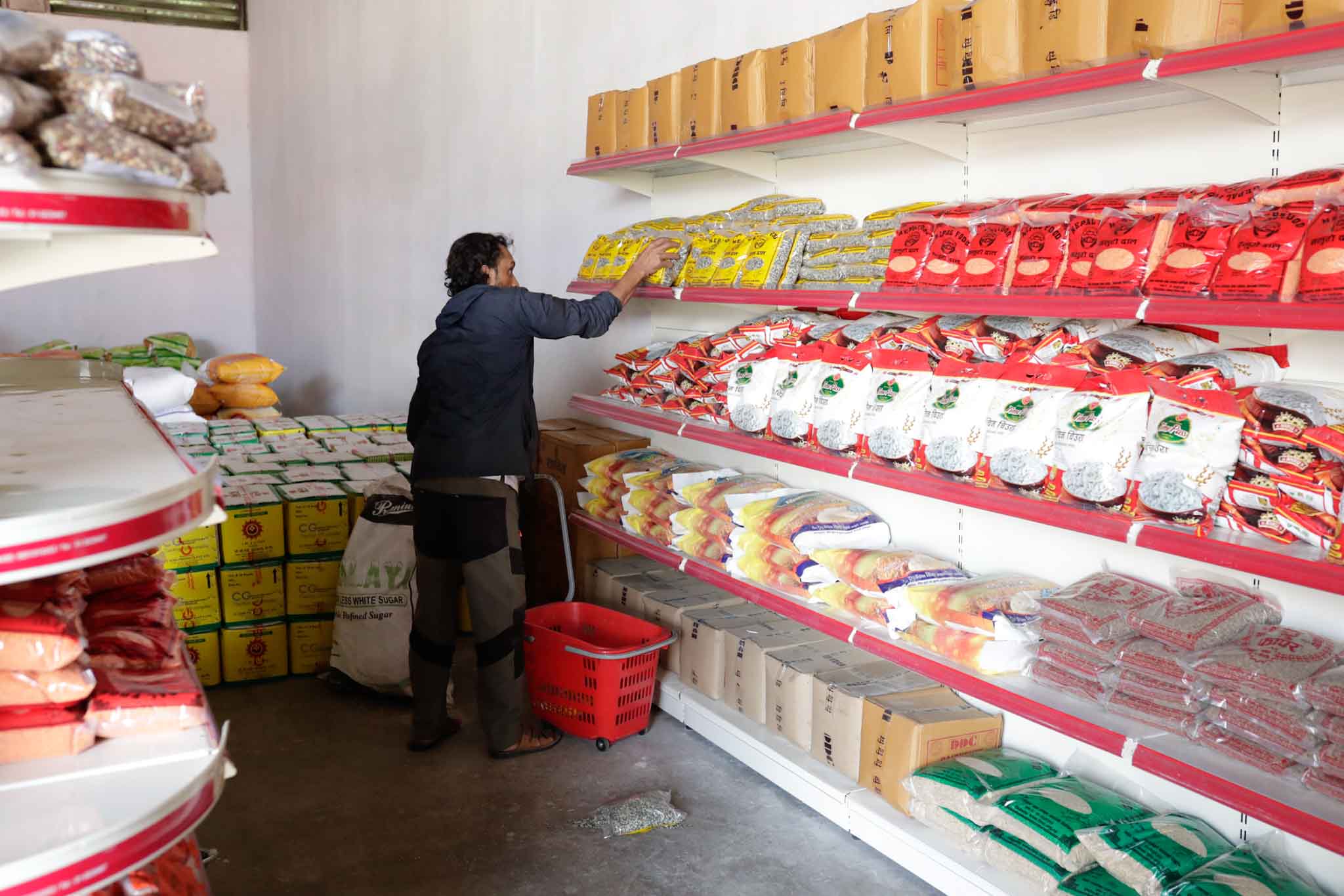
At stores run by the Food Management and Trade Company, all types of rice, lentils, wheat, sugar, and pulses will be offered at a discount of Rs 5 per kilogram.
Flattened rice (chiura), flour, and other cereal products will receive a discount of Rs 7 per kilogram. Edible oil will also be discounted by Rs 7 per liter.
Traditional Karnali products, including Jumli Marsi rice, Kaguno, Chino, beans, Uwa, and Titephapar, will be sold at Rs 10 off per kilogram.
Spices such as cumin, coriander, tea leaves, and live goats, sheep, and yak meat will also see a discount of NPR 10 per kilogram.
The company plans to run these subsidized stores across 46 districts.
Salt Trading Corporation will operate subsidized stores at 15 locations, including three mobile stores in the Kathmandu Valley, while providing services in other districts outside the valley.
Discounts will include Rs 2 per kilogram on salt, Rs 5 per kilogram on sugar, Rs 7 per liter on oil, and Rs 7 per kilogram on flattened rice, lentils, flour, and other cereal products.
The government aims to control market prices, maintain quality, and make essential goods easily accessible to consumers.
This initiative is also intended to prevent monopolistic practices by the private sector during the festive season. Such subsidized stores have been run annually by the government during festival periods.