Flying isn’t fearful—It’s safer than you think
Yet for many people—especially in countries like Nepal—the idea of boarding an aircraft can be intimidating, even terrifying.

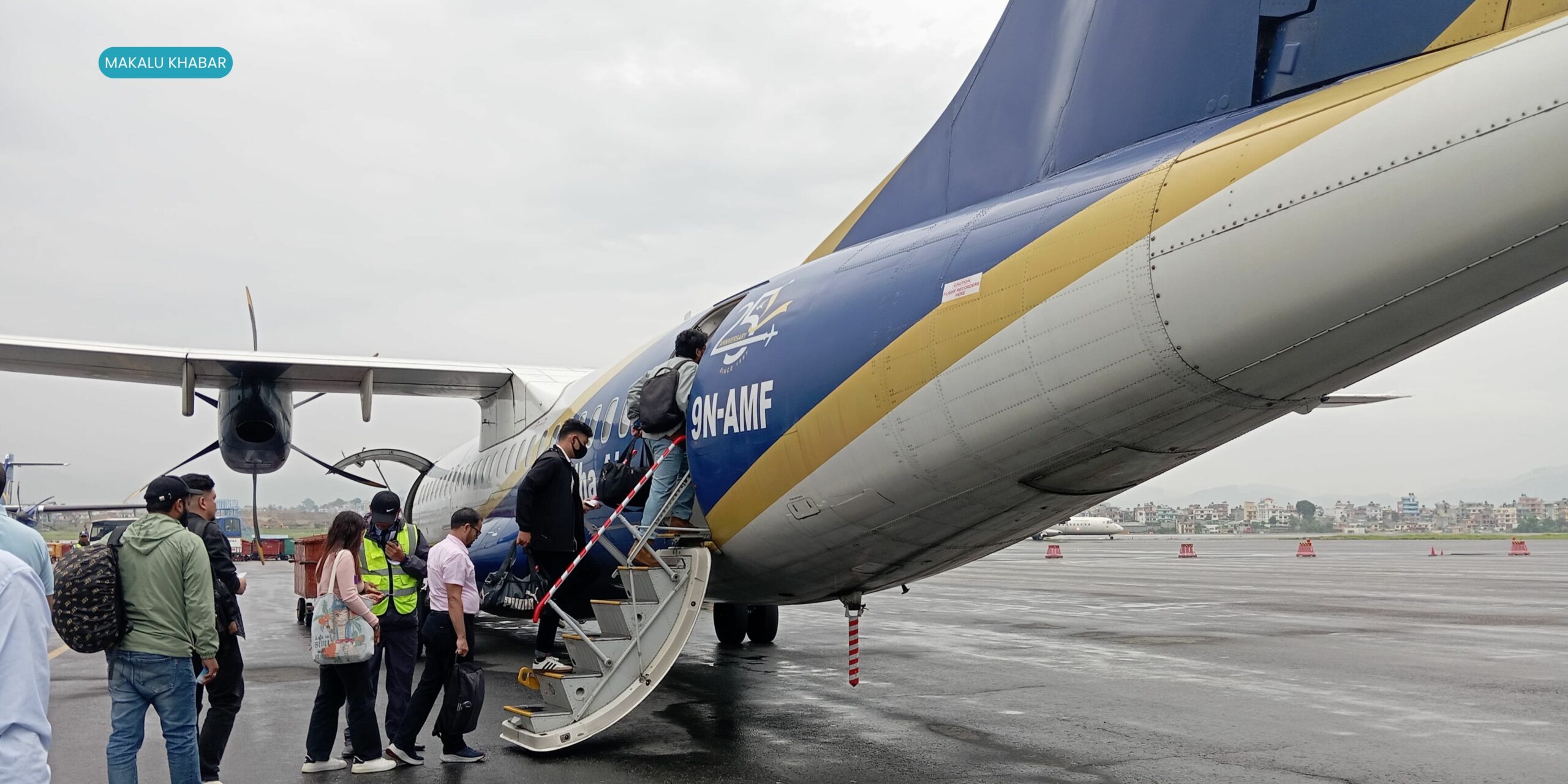
KATHMANDU: Air travel is becoming increasingly popular around the world as a fast, convenient, and affordable mode of transportation.
Yet for many people—especially in countries like Nepal—the idea of boarding an aircraft can be intimidating, even terrifying.
For first-time flyers or those influenced by past aviation tragedies, the fear can feel overwhelming.
But is flying truly dangerous? And if something goes wrong, can passengers actually survive? Let’s explore this topic—not with technical jargon, but with a simple, human-centered perspective.
Why Are People Afraid to Fly?
For many Nepalis, flying is not just about reaching a destination—it’s a mental challenge. Being thousands of feet above the ground, locked inside a metal cabin, with no personal control over the situation, naturally causes anxiety.
Some recall past aviation accidents, while others fear the unknown.
Routine turbulence is often misunderstood as a sign of danger, when in reality, it’s a normal atmospheric occurrence that planes are designed to handle without any threat to safety.
Nepal’s unique terrain—mountains, shifting weather patterns, and high altitudes—has seen unfortunate incidents in the past.
This has deepened fear, particularly among rural populations where air travel is often the only viable transport option.
Are Plane Crashes Common?
Here’s some relief: plane crashes are extremely rare. Every day, Nepal records multiple road accidents resulting in fatalities. In comparison, air travel incidents are significantly lower.
Aircraft are built to withstand a wide range of challenges—from bad weather to engine issues to bird strikes.
Before every flight, a thorough safety check is performed. Pilots are trained extensively to handle emergencies and unpredictable conditions.
Yes, accidents have occurred. But they are exceptions—not the norm.
Can You Survive a Plane Crash?
It may surprise you to know that many people survive aviation accidents. A crash doesn’t always mean fatality.
Studies have shown that with basic awareness and quick action, passengers can increase their chances of survival.
Here’s how to stay prepared:
-
Listen carefully to safety instructions
The short briefing before takeoff includes vital information—like emergency exits and life jacket locations—that could save your life. -
Always wear your seatbelt
Even when the sign is off, keeping your seatbelt fastened during flight helps prevent injury from unexpected turbulence. -
Know your nearest emergency exit
Count the rows between your seat and the exit. In smoke or darkness, this simple memory can guide you out safely. -
Stay alert, not afraid
Panic clouds judgment. Staying calm and following instructions increases your chance of getting out unharmed.
Why Flying Is Safer Than You Think
Most of the fear surrounding flying is emotional—not factual. Thanks to modern technology, strict safety protocols, and highly trained personnel, aviation is one of the safest ways to travel today.
Everyone involved in air travel—from the ground crew to the pilots—takes safety seriously. Each flight is the result of meticulous preparation and coordination.
With a little awareness, trust in the system, and an understanding of how things work, we can fly with peace of mind. Flying is not a symbol of fear—it’s a symbol of progress, connection, and possibility.