Finance Minister: Budget smallest in a decade, focused on balance & growth
Wagle said the budget was prepared under severe time and resource constraints but was designed to lay the foundation for a five-year national development roadmap.

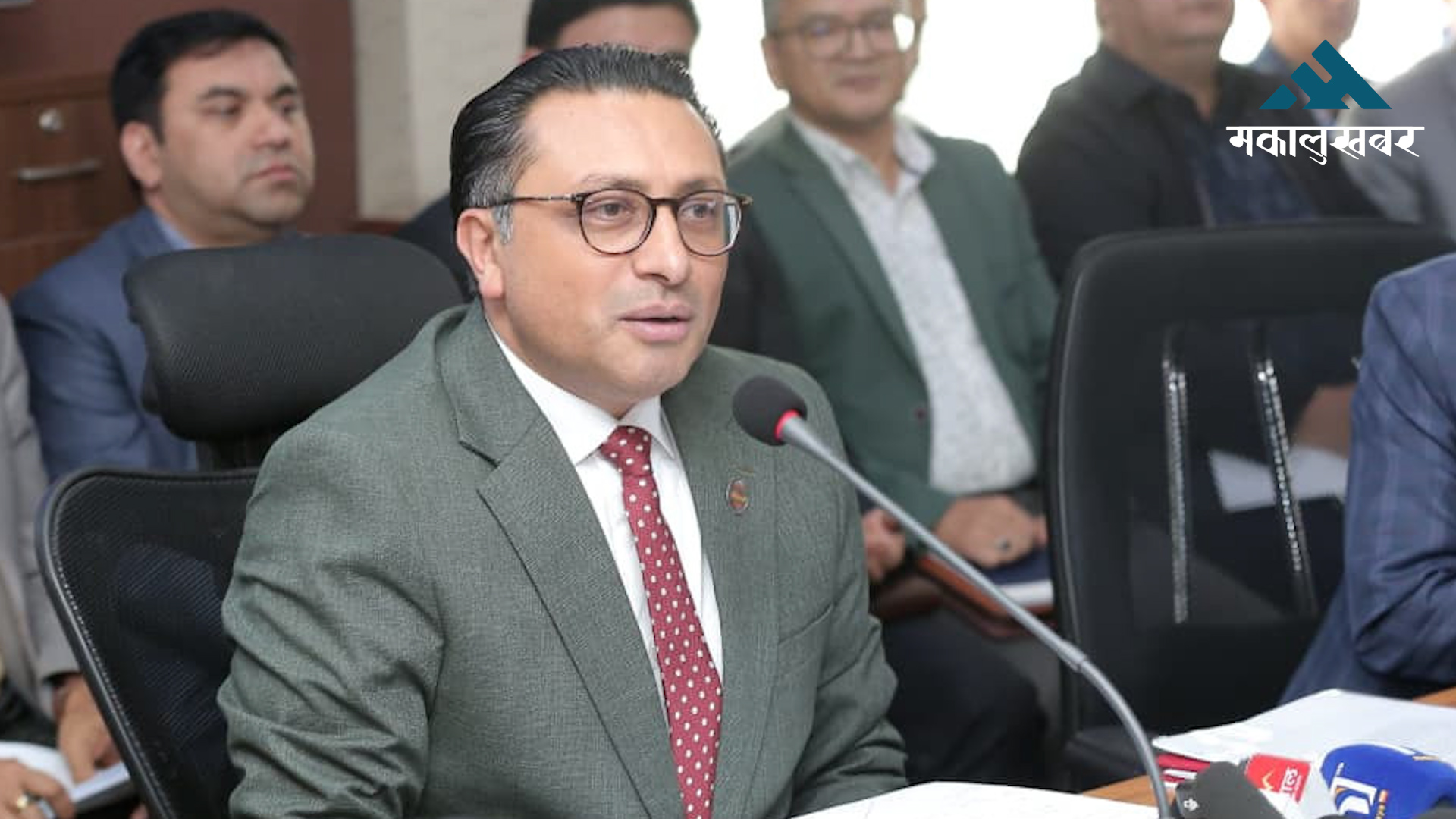
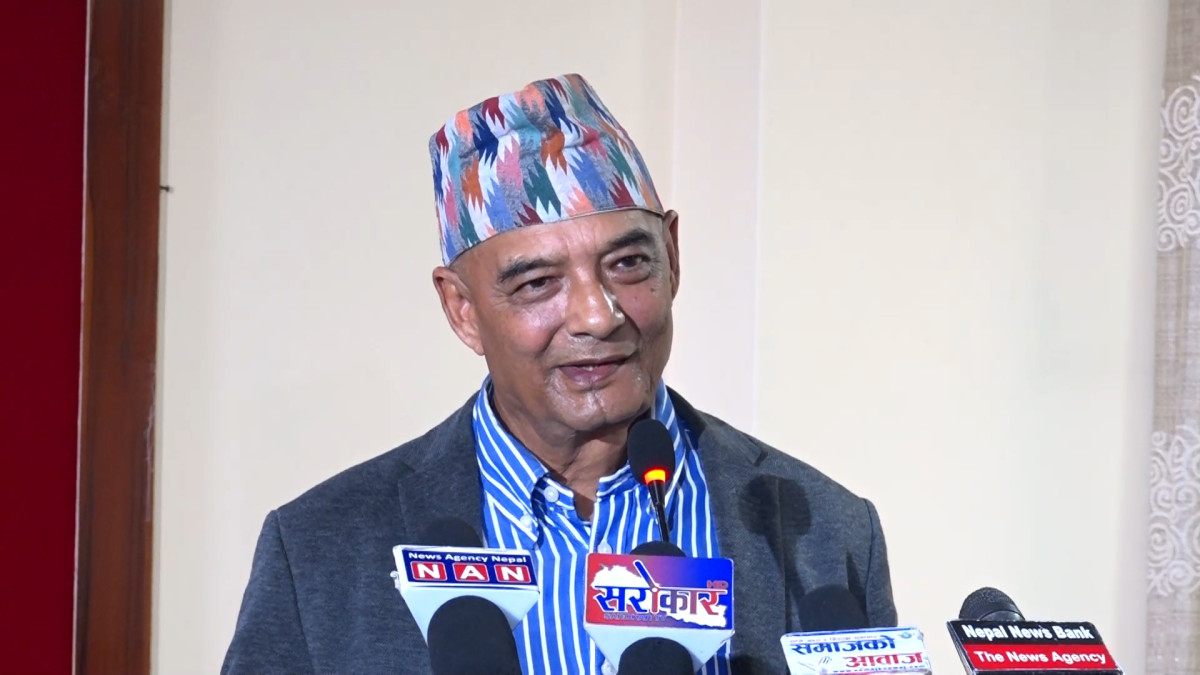
KATHMANDU: Finance Minister Swarnim Wagle has said that the upcoming fiscal year’s budget is the smallest and most balanced in terms of Gross Domestic Product (GDP) ratio in the past decade, pushing back against criticism over its size and ambition.
Speaking at a post-budget discussion organized by the Nepal Economic Journalists Association (NAFIJ) on Monday, Wagle said the budget was prepared under severe time and resource constraints but was designed to lay the foundation for a five-year national development roadmap.
He rejected claims that the budget is overly ambitious, arguing instead that it is structured to be realistic and reform-oriented.
He said that while the government plans to borrow around Rs 650 billion, more than half of it will go toward servicing existing debt, keeping the net debt burden manageable.
The minister also announced a revenue target of Rs 1.58 trillion for the next fiscal year, expressing confidence in stronger domestic resource mobilization. He added that improving the efficiency of foreign borrowing would help maintain a stable debt-to-GDP ratio.
Highlighting infrastructure strategy, Wagle introduced the concept of a “Growth Quadrangle” across all seven provinces, aimed at linking major transport corridors to economic activity. Key highways such as Muglin–Pokhara, Siddhartha Highway, and the Postal Highway will be expanded to boost regional connectivity and economic output.
He further claimed the budget marks a technological leap forward, with tax incentives and relief measures introduced to stimulate demand and revive sluggish market conditions.
According to him, the government is prioritizing completion of long-stalled projects while laying the groundwork for a more technology-driven economy and greater private sector participation.