Hair fall increasing: Experts share causes & prevention tips
From teenagers to middle-aged adults, complaints of thinning hair, excessive shedding, and early baldness are increasing, according to dermatologists and health experts.

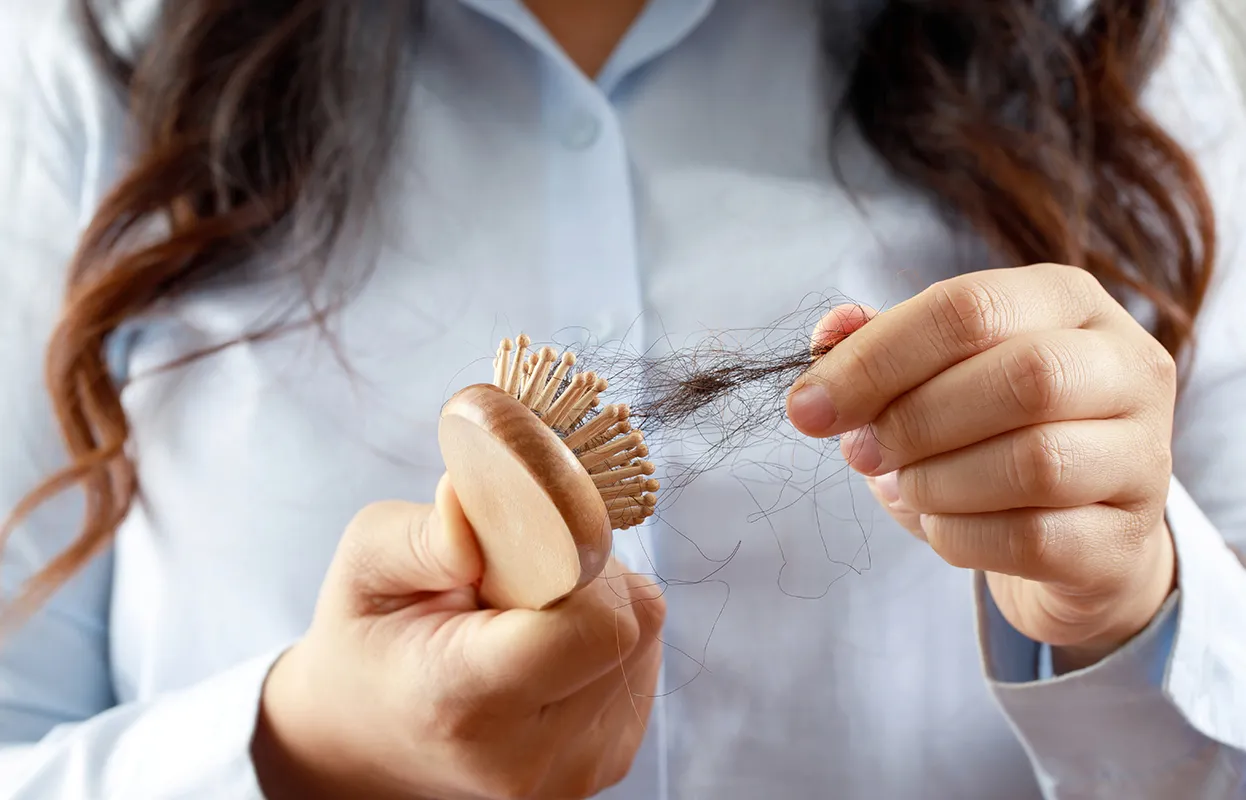
KATHMANDU: Hair fall has quietly become one of the most common health and lifestyle concerns across Nepal and beyond.
From teenagers to middle-aged adults, complaints of thinning hair, excessive shedding, and early baldness are increasing, according to dermatologists and health experts.
While losing 50–100 strands of hair a day is considered normal, doctors warn that persistent or sudden hair fall could signal underlying health or lifestyle problems.
Why Is Hair Fall Increasing?
Health professionals point to a mix of modern lifestyle habits and health conditions as major contributors:
-
Stress and anxiety: Academic pressure, work stress, financial worries, and lack of sleep disrupt the hair growth cycle.
-
Poor nutrition: Diets low in protein, iron, zinc, and vitamins weaken hair roots.
-
Hormonal imbalance: Thyroid disorders, puberty-related changes, and menstrual irregularities often affect hair growth.
-
Pollution and water quality: Dust, smoke, and hard water damage the scalp and hair shaft.
-
Excessive use of chemicals: Frequent hair coloring, straightening, rebonding, and harsh shampoos weaken hair.
-
Unhealthy habits: Smoking, irregular meals, and dehydration reduce blood circulation to the scalp.
-
Genetics: Family history remains a major factor, especially in pattern hair loss.
Common Signs That Should Not Be Ignored
Experts advise seeking attention if you notice:
-
Sudden or excessive hair shedding
-
Visible thinning or widening of the hair part
-
Hair loss in patches
-
Weak, dry, or breaking hair
-
Itchy or flaky scalp along with hair fall
What Can Be Done to Prevent Hair Fall?
Doctors emphasize that early prevention can significantly slow or even reverse hair fall in many cases.
1. Improve Your Diet
Healthy hair begins with proper nutrition.
-
Eat protein-rich foods such as eggs, lentils, milk, curd, soybeans, and nuts
-
Include green leafy vegetables for iron
-
Consume fruits rich in vitamins A, C, and E
-
Drink enough water daily to keep the scalp hydrated
2. Manage Stress
Stress is one of the biggest silent triggers of hair fall.
-
Practice yoga, meditation, or breathing exercises
-
Get at least 7–8 hours of sleep
-
Take regular breaks from screens and work
3. Gentle Hair Care
-
Avoid tight hairstyles that pull hair from the roots
-
Do not wash hair with very hot water
-
Use mild, sulfate-free shampoo
-
Limit the use of hair dryers, straighteners, and chemical treatments
4. Keep the Scalp Healthy
-
Regular oil massage improves blood circulation
-
Keep the scalp clean to prevent dandruff and infections
-
Avoid scratching or aggressively brushing wet hair
5. Avoid Hair Myths
Dermatologists warn against blindly following online trends.
-
No single oil or product can stop hair fall overnight
-
Home remedies help maintenance but are not a cure for medical hair loss
-
Overusing products can worsen the problem
6. When to See a Doctor
Medical consultation is advised if:
-
Hair fall is sudden or severe
-
Hair loss follows illness or major stress
-
There is a family history of baldness
-
Hair fall is accompanied by fatigue, weight changes, or skin problems
Expert Advice
Doctors stress that hair fall is not just a cosmetic issue but often reflects overall health.
“Healthy hair depends on balanced nutrition, mental well-being, and proper care. Early attention can prevent long-term damage,” dermatologists say.
The Bottom Line
Hair fall is common, but it is not always irreversible.
With timely lifestyle changes, proper nutrition, stress management, and medical guidance when necessary, most people can protect their hair health.