Cold, fog and smog grip Nepal; Kathmandu air quality worsens
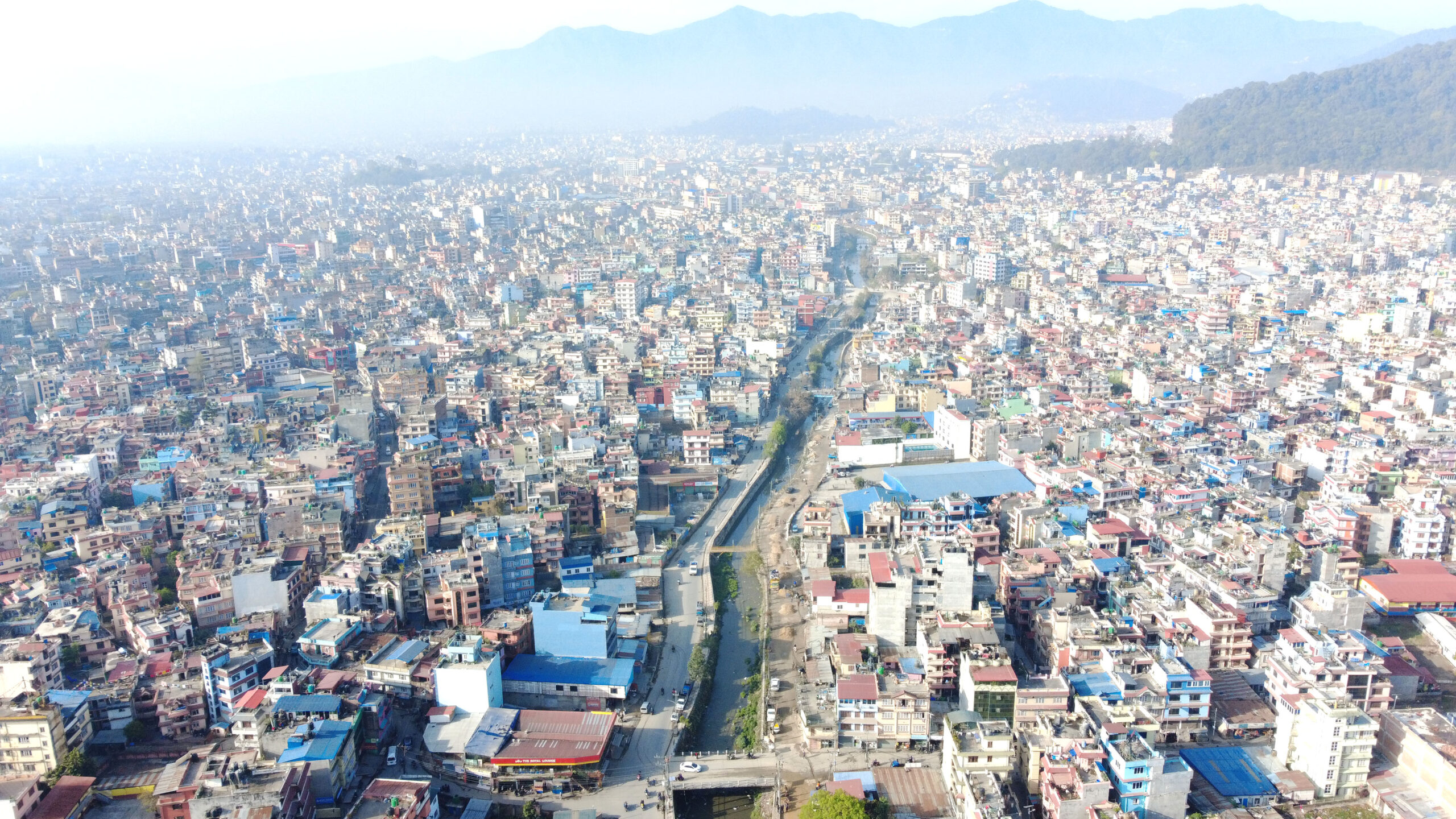
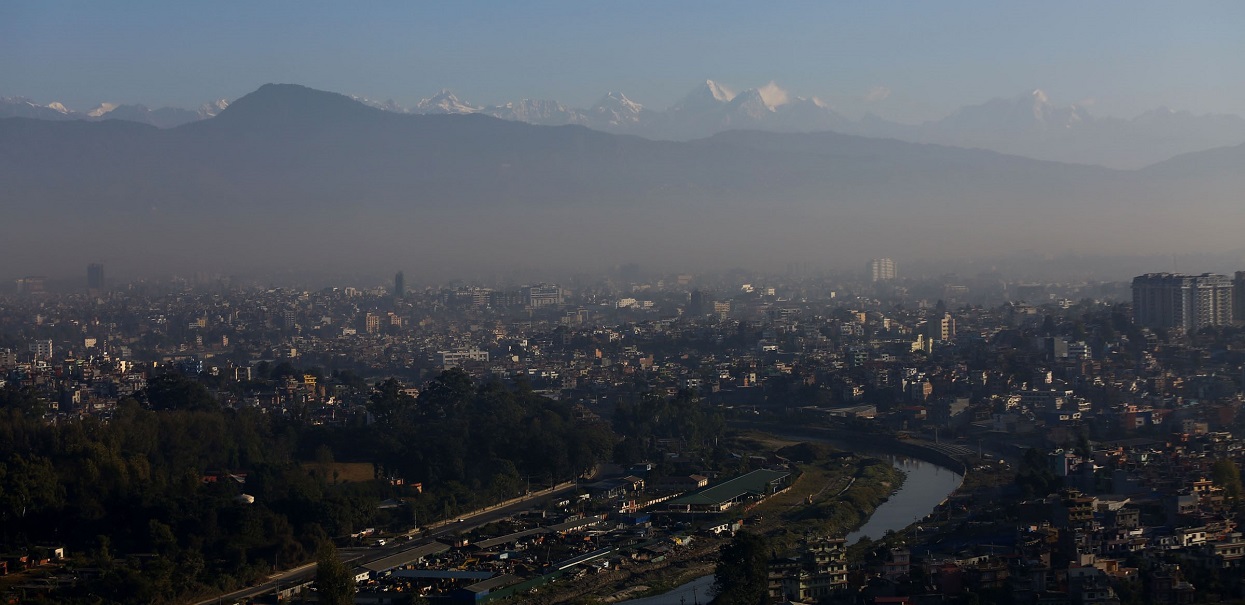
In the federal capital, Kathmandu, the hazy sky is not due to ordinary fog but to ‘smog’ caused by air pollution, meteorologists said.

KATHMANDU: As temperatures continue to drop, adverse weather conditions have spread across Nepal, significantly affecting daily life.
Dense fog and mist have engulfed much of the Terai, while Kathmandu Valley is grappling with pollution-laden smog, worsening air quality and health risks.
According to the Department of Hydrology and Meteorology, thick fog has blanketed the Terai regions of Lumbini and Sudurpaschim provinces since early Wednesday morning.
The fog is expected to persist throughout the day and may continue into the night, keeping the sky overcast. With little to no sunshine and prolonged cold spells, life in the Tarai has become increasingly difficult.
In the federal capital, Kathmandu, the hazy sky is not due to ordinary fog but to ‘smog’ caused by air pollution, meteorologists said.
Experts have warned that deteriorating air quality could pose serious health risks, urging the public to avoid going outdoors unless absolutely necessary. If travel is unavoidable, the use of face masks has been strongly advised.
Weather conditions in the hilly regions are expected to remain partly cloudy. High hilly and Himalayan areas of Koshi, Gandaki and Karnali provinces may see partial cloud cover, while most other hill regions are likely to experience generally fair weather.
Given the combined impact of cold and pollution, the Meteorological Department has urged children, the elderly, and people with respiratory illnesses to take special precautions.
Meanwhile, Kathmandu Valley continues to record low temperatures. At 5:45 am on Wednesday, the minimum temperature in Kathmandu was measured at 3.5 degrees Celsius, nearly the same as the previous day.
On Tuesday, the temperature later dropped further to 3 degrees Celsius by 8:45 am. Meteorologists say today’s official minimum temperature will again be recorded at 8:45 am, when it may decline further.
The department measures minimum temperatures daily at 8:45 am and maximum temperatures at 5:45 pm across the country.
The lowest recorded reading of the day is considered the minimum temperature, while the highest is recorded as the maximum.