2153rd Gyalpo Losar being celebrated today
The Nepal Buddhist Federation has expressed concern over this misconception.

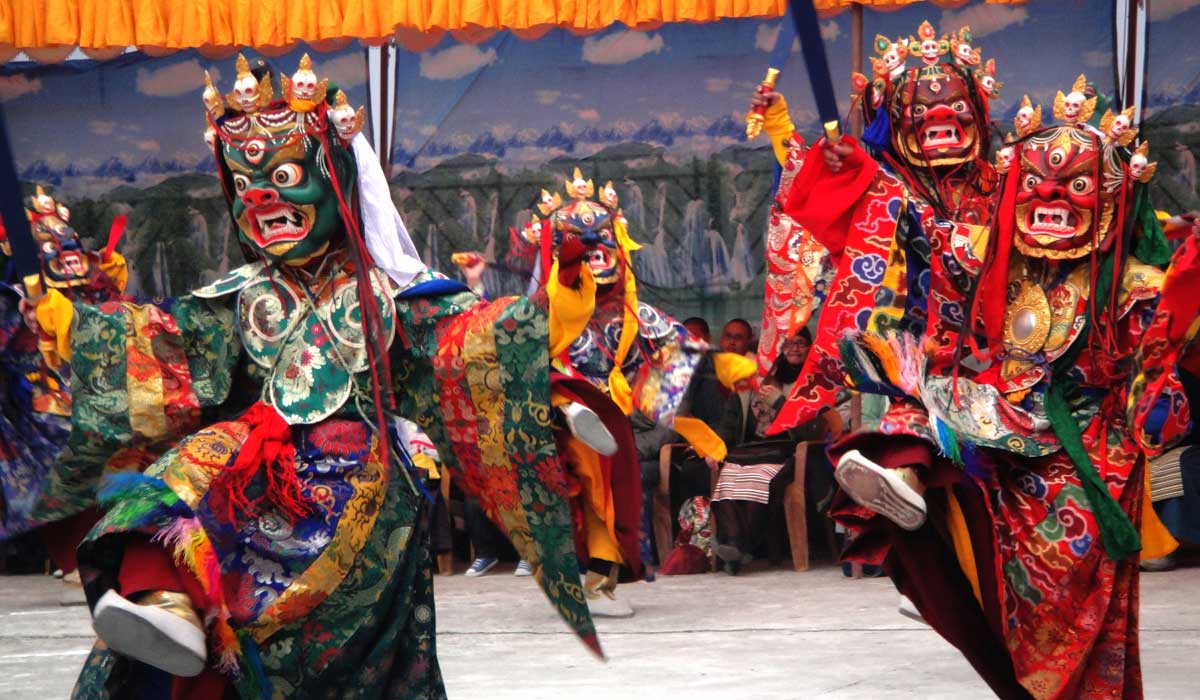
KATHMANDU: Buddhist communities across the world are celebrating the 2153rd Gyalpo Losar, the final and principal Losar (New Year) festival, with a series of religious, cultural, and traditional programs.
The word Losar comes from two Tibetan words: Lo, meaning “year,” and Sar, meaning “new.” Among Buddhists, Losar is observed as the New Year festival and is celebrated in four stages—Kongpo Losar, Tola Losar, Sonam Losar, and Gyalpo Losar—each linked to the agricultural cycle, from sowing crops to harvesting and storing grain.
However, in recent years, Kongpo Losar has been less visible in public celebrations. Meanwhile, there has been growing confusion in Nepal regarding the association of Tola Losar exclusively with the Gurung community and Sonam Losar with the Tamang community.
The Nepal Buddhist Federation has expressed concern over this misconception.
Former Chair of the Nepal Buddhist Federation, Acharya Nuru Sherpa, clarified that Losar is observed according to the lunar calendar and does not belong to any single ethnic group.
He emphasized that Losar is a shared festival of Buddhist followers as a whole, not an event limited to specific communities.
On this occasion, Sherpa, Tamang, Helmo, Thakali, Bhote, and other Himalayan communities celebrate by cleaning village paths, courtyards, and water sources.
Families prepare and enjoy traditional foods such as Guthuk (a mixed soup made from nine types of grains), Khapse, Rildruk, and Rikur, while exchanging New Year greetings and well wishes. The festival is widely regarded as a time to strengthen family ties and promote social harmony.
In Nepal’s Himalayan region, particularly among the Sherpa community and within the Mahayana Buddhist tradition, the New Year is observed based on the lunar calendar, with Gyalpo Losar marking the beginning of the year on the first day of the bright fortnight of Falgun. Cultural performances, including the vibrant Syabru dance, the melodious tunes of the traditional Tungna (Damyang) instrument, and collective celebrations, add deeper meaning and joy to the festival.
Celebrated as the New Year, Gyalpo Losar carries hopes for renewal, prosperity, and happiness. It is believed to strengthen social bonds by promoting love, brotherhood, harmony, and unity within society.
The festival also deepens relationships among families, friends, and communities, fostering cooperation and mutual understanding.
Visiting monasteries, receiving blessings from spiritual teachers and lamas, sharing traditional delicacies such as Khapse, Deshil, and Guthuk, and spending joyful moments with family members are regarded as an integral part of Nepal’s rich cultural heritage and identity.