World Cancer Day observed worldwide today
According to the World Health Organization, cancer remains one of the leading causes of death worldwide, claiming nearly 10 million lives every year.

KATHMANDU: World Cancer Day is being observed across the globe today, Feb 4, with a focus on raising awareness about cancer, promoting prevention, encouraging early detection, and ensuring timely and effective treatment.
The day has been marked annually since 2000 following the adoption of the Charter of Paris Against Cancer at the World Summit Against Cancer for the New Millennium, held in Paris, France.
The initiative is led by the Union for International Cancer Control (UICC) in collaboration with the World Health Organization (WHO) and other global partners.
According to the World Health Organization, cancer remains one of the leading causes of death worldwide, claiming nearly 10 million lives every year.
Low- and middle-income countries account for around 70 percent of cancer-related deaths, largely due to limited access to early diagnosis, treatment, and care services.
Health experts say that up to one-third of cancers can be prevented by reducing exposure to key risk factors such as tobacco use, harmful alcohol consumption, unhealthy diets, physical inactivity, and air pollution.
Tobacco alone is responsible for about 25 percent of global cancer deaths.
Early detection plays a critical role in reducing cancer mortality. Cancers such as breast, cervical, oral, and colorectal cancer can be effectively treated if identified at an early stage through regular screening and timely medical intervention.
On the occasion, governments, health institutions, and civil society organizations worldwide are organizing awareness rallies, health camps, screening programs, and public discussions to educate people about cancer risks, symptoms, and prevention strategies.
World Cancer Day serves as a global reminder that cancer is not just a health issue but also a social and economic challenge—and that collective action can significantly reduce its impact.
Cancer: Prevention, Symptoms, Early Signs and Protection Measures
Cancer is one of the leading causes of death worldwide, but many cancers are preventable and curable if detected early.
Health experts stress that awareness, healthy lifestyle choices, and timely screening can significantly reduce cancer-related deaths.
Cancer Prevention
Prevention focuses on reducing exposure to known risk factors. Key preventive measures include:
-
Avoid tobacco use in any form (smoking, chewing tobacco, vaping).
-
Limit alcohol consumption, as excessive drinking increases cancer risk.
-
Maintain a healthy diet rich in fruits, vegetables, whole grains, and low in processed and red meat.
-
Engage in regular physical activity and maintain a healthy body weight.
-
Protect against harmful sun exposure by using sunscreen and avoiding peak sunlight hours.
-
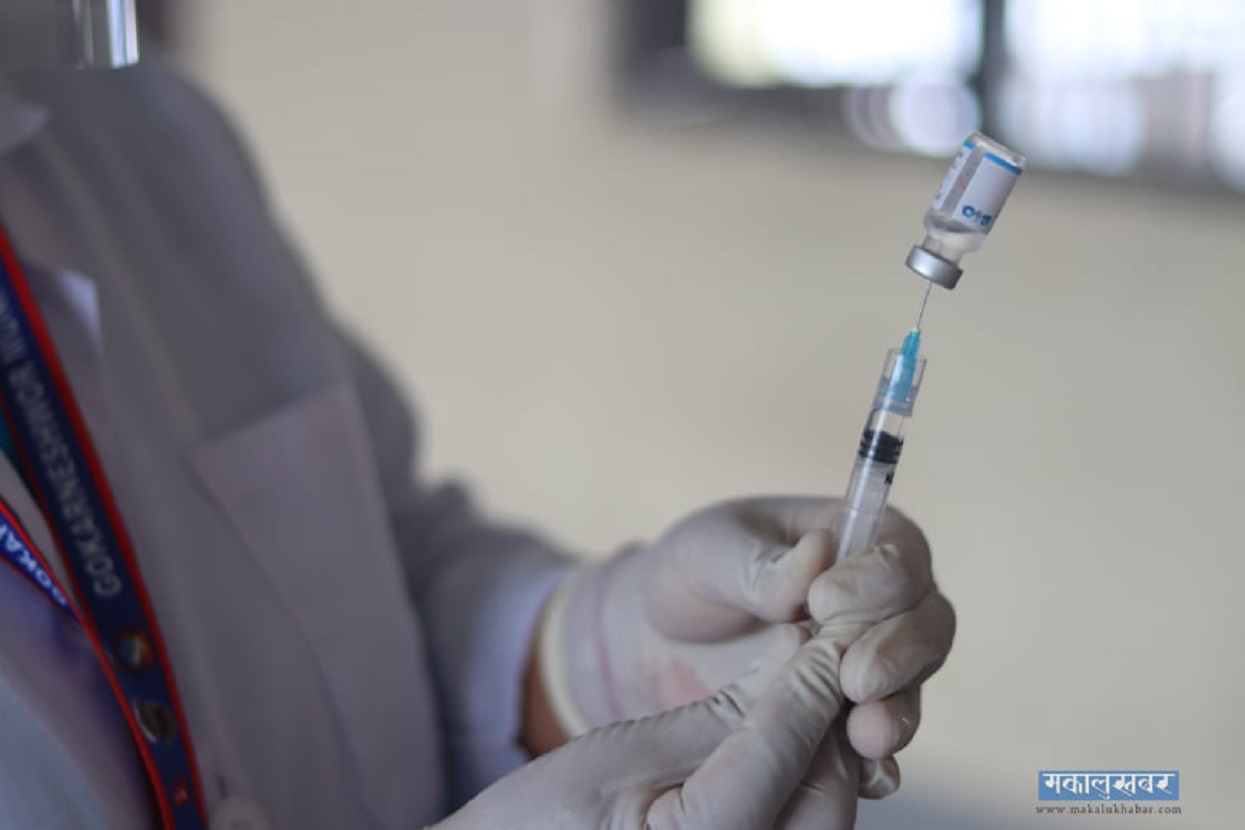
Get vaccinated against cancer-causing infections such as HPV (cervical cancer) and Hepatitis B (liver cancer).
-
Reduce exposure to pollution and toxic chemicals at home and workplaces.
Common Symptoms of Cancer
Cancer symptoms vary depending on the type and stage, but common warning symptoms include:
-
Unexplained weight loss or loss of appetite
-
Persistent fatigue or weakness
-
Long-lasting pain without clear cause
-
Persistent cough or difficulty breathing
-
Changes in bowel or bladder habits
-
Difficulty swallowing or persistent indigestion
-
Unusual bleeding or discharge
-
Non-healing sores or ulcers
Early Warning Signs
Early signs are often subtle but should not be ignored:
-
A lump or thickening in the breast, neck, armpit, or groin
-
Changes in skin color, moles, or new growths
-
Persistent hoarseness or voice changes
-
White or red patches inside the mouth
-
Changes in breast shape, size, or nipple discharge
-
Abnormal vaginal bleeding or pelvic pain
-
Blood in stool or urine
How to Protect Yourself
Protection involves a combination of awareness, screening, and healthy habits:
-
Undergo regular health check-ups and cancer screening, especially after the age of 30–40 or if there is a family history.
-
Women should undergo breast and cervical cancer screening regularly.
-
Men should be aware of prostate and oral cancer screening.
-
Practice safe sex to reduce the risk of HPV and other infections.
-
Follow occupational safety guidelines when working with chemicals or radiation.
-
Seek medical advice immediately if any unusual symptom persists for more than two weeks.
Cancer does not always mean death.
With prevention, early detection, and timely treatment, millions of lives can be saved each year.
Public awareness and individual responsibility remain the strongest tools in the fight against cancer.