World Bank launches major health strategy for West & Central Africa
Speaking at the launch, Mamta Murthi, Vice President for Human Development at the World Bank Group, highlighted the urgency of investment in health due to rapid population growth in the region.

KATHMANDU: The World Bank Group has unveiled a new strategy aimed at strengthening health systems, creating jobs, and driving overall development across West and Central Africa.
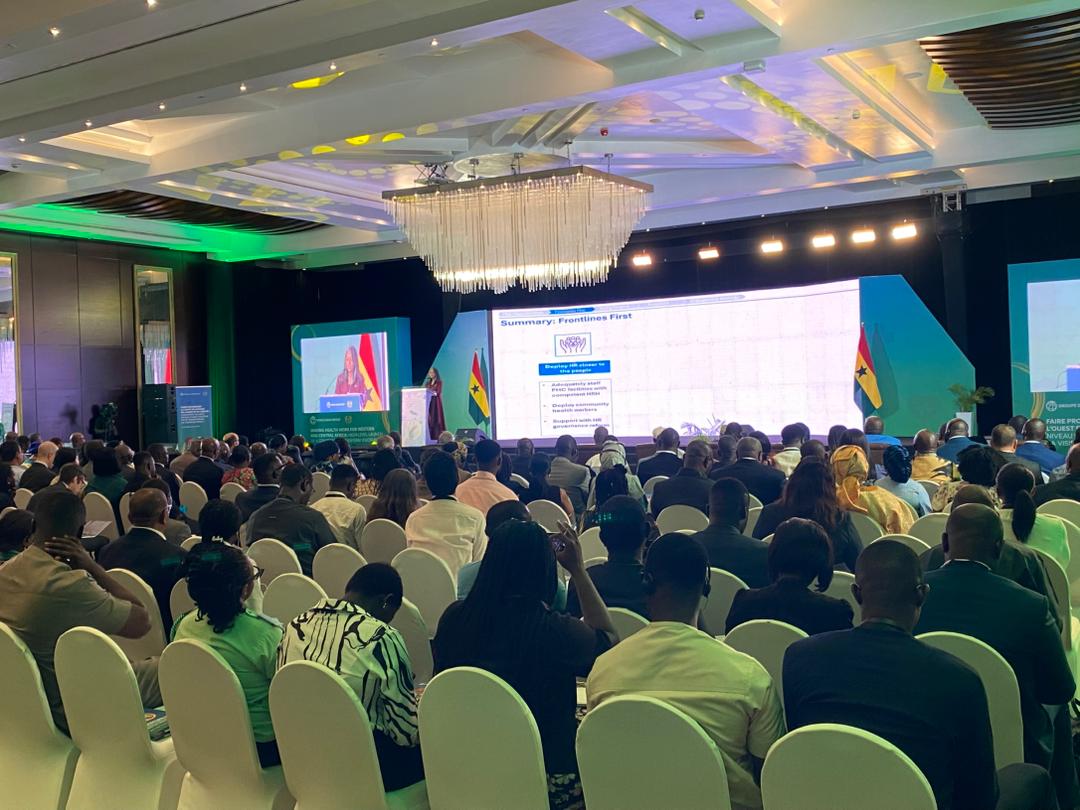
The initiative, titled “Fit to Prosper: Investing in Health for Jobs and Development in Western and Central Africa,” was launched at a special event in Accra, the capital of Ghana.
The strategy is designed to help countries in the region prioritize health investments and implement structural reforms despite limited financial resources and economic challenges. It emphasizes a more targeted and efficient approach to healthcare development.
Speaking at the launch, Mamta Murthi, Vice President for Human Development at the World Bank Group, highlighted the urgency of investment in health due to rapid population growth in the region.
She noted that nearly 200 million children are expected to be born in West and Central Africa by 2050—accounting for one in every five young people globally.
In line with the global goal of providing quality and affordable healthcare to 1.5 billion people by 2030, the World Bank aims to reach at least 200 million people in West and Central Africa and improve services for 400 million people across Sub-Saharan Africa.
Murthi stressed that the Bank will focus its policy advice, financial support, and technical assistance primarily on strengthening primary healthcare systems, calling it the most cost-effective way to deliver services at scale.
Ghanaian officials also welcomed the initiative. Julius Debrah, Chief of Staff at the Presidency of Ghana, described the strategy as timely and transformative, saying it challenges governments to view healthcare not merely as a cost, but as a key driver of development.
He added that the initiative aligns with Ghana’s national vision for universal health coverage and its “Accra Reset” agenda, which aims to reduce dependency on foreign aid while promoting self-reliant and resilient development.