US tightens visa rules for Nepal
The new rule will come into effect from Jan 22 (Magh 8) and will apply to citizens of 38 countries across Asia, Africa, and Latin America, including Nepal.

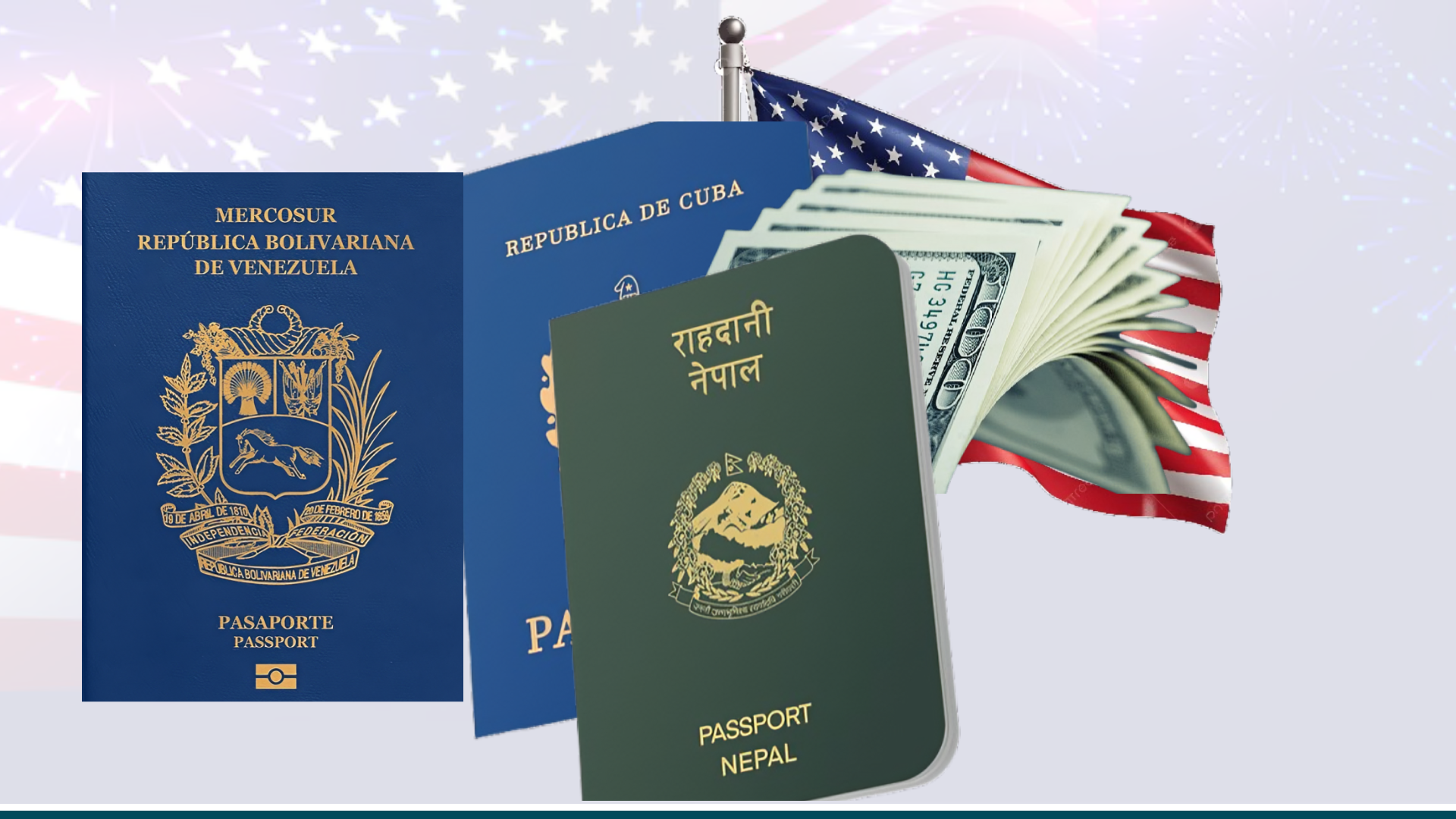
KATHMANDU: The United States has placed Nepal on a list of countries subject to stricter visa screening, introducing a mandatory financial bond for Nepali citizens applying for tourist (B-2) or business (B-1) visas.
According to a notice published on the official U.S. government website Travel.State.Gov, Nepali applicants will now be required to deposit a visa bond ranging from USD 5,000 to USD 15,000.
The new rule will come into effect from Jan 22 (Magh 8) and will apply to citizens of 38 countries across Asia, Africa, and Latin America, including Nepal.
The policy has been introduced under the administration of U.S. President Donald Trump, who has assumed office for a second term and is further tightening immigration controls. U.S. officials say the “visa bond” system is aimed at discouraging visa overstays, where visitors remain in the country beyond their permitted period.
How the Visa Bond Will Work
The U.S. State Department has clarified that during the visa interview, consular officers will decide the bond amount—USD 5,000, 10,000, or 15,000—based on the applicant’s individual profile. Paying the bond does not guarantee visa approval.
If a visitor fails to leave the U.S. within the authorized time or applies for asylum after arrival, the entire bond amount will be forfeited. Travelers will only be eligible for a refund if they exit the U.S. within the permitted period and comply fully with visa conditions.
Diplomatic and Image Concerns
The decision to place Nepal alongside countries such as Venezuela, Cuba, and Bhutan has raised serious concerns among diplomatic and foreign policy experts in Nepal.
Former ambassador and ex-foreign policy adviser to the prime minister Dinesh Bhattarai described the move as unusual. He said Nepali citizens are generally law-abiding, adding that the decision may have deeper geopolitical implications. Bhattarai suggested that Washington could be viewing Nepal with suspicion due to growing leftist influence in domestic politics or closer ties with China.
Immigration expert and Tribhuvan University international relations professor Keshav Basnyat warned that the policy could harm Nepal’s international image.
He noted that while only a small number of people choose illegal pathways, the consequences are now being borne by legitimate travelers.
“This will severely affect ordinary tourists and parents traveling to attend events like graduation ceremonies of their children,” he said.
Added Financial Burden for Nepalis
Under the rule, travelers must also ensure they exit the U.S. through approved ports within the stipulated time to reclaim their bond—conditions that were previously tested under a pilot program at limited exit points such as Boston, New York, and Washington, D.C.
Data from Nepal’s Department of Immigration shows that in 2025 alone, 462 Nepali nationals were deported from the United States. The U.S. remains a major destination for Nepali students and is home to a large Nepali diaspora.
However, the introduction of the visa bond policy is expected to make travel to the U.S. significantly more expensive and challenging, particularly for middle-class Nepalis who have long viewed America as a land of opportunity.