US detains Venezuela’s President
Governments, political leaders, and civil society groups across the world denounced the move as a violation of national sovereignty.

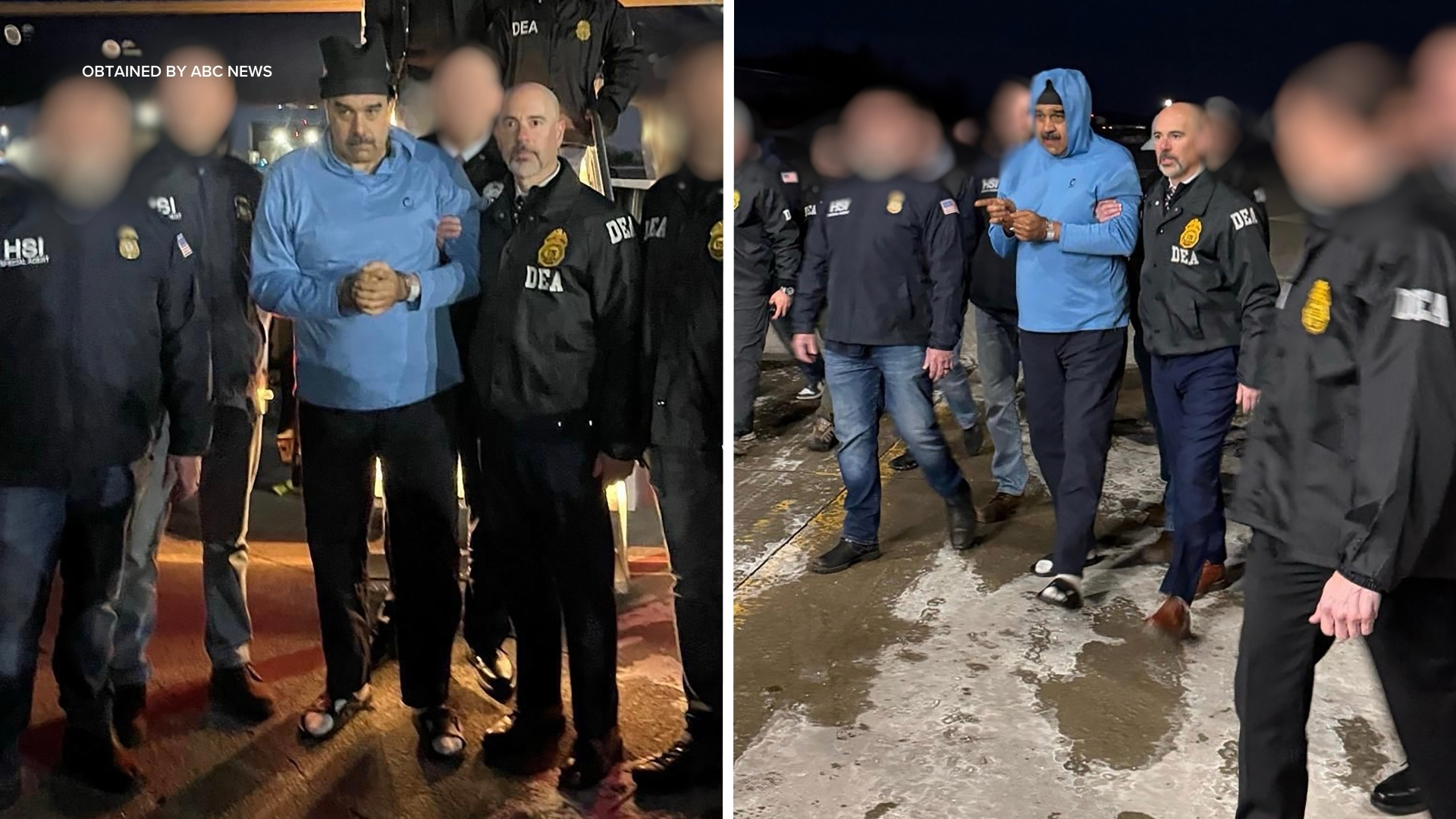
KATHMANDU: The United States carried out a dramatic military intervention in Venezuela on Saturday, detaining President Nicolás Maduro and his wife in the capital, Caracas.
The operation, described by Washington as a “counter–drug trafficking mission,” has triggered widespread international condemnation and raised fears of a dangerous escalation in Latin America.
Governments, political leaders, and civil society groups across the world denounced the move as a violation of national sovereignty.
Protests erupted in several countries as demonstrators took to the streets opposing what they called blatant foreign interference in a sovereign state.
Geopolitical analysts view the operation as the peak of Washington’s long-standing strategy to reassert dominance in Latin America. While the US has framed the action as a law-enforcement measure, critics argue that the underlying motive is control over Venezuela’s vast oil, mineral, and natural resources.
Statements by US President Donald Trump have further fueled such claims, with references to exploiting Venezuela’s mineral wealth cited by observers as evidence of economic intent behind the intervention.
Relations between the two countries have remained tense since the era of former Venezuelan leader Hugo Chávez, deteriorating further under Maduro.
The US has repeatedly labeled Venezuela’s socialist government as “authoritarian” and imposed sweeping economic sanctions, while Caracas has rejected the pressure as an imperialist plot aimed at regime change.
According to regional experts, the struggle over oil and mineral resources lies at the heart of the conflict, making Saturday’s events a critical and potentially destabilizing moment for Latin America’s geopolitical future.