Severe heatwave grips Nepal; “Loo” warning issued across terai & valleys
According to data released by the department, temperatures have already reached extreme levels, recording 41°C in Kapilvastu and 39°C in Banke.

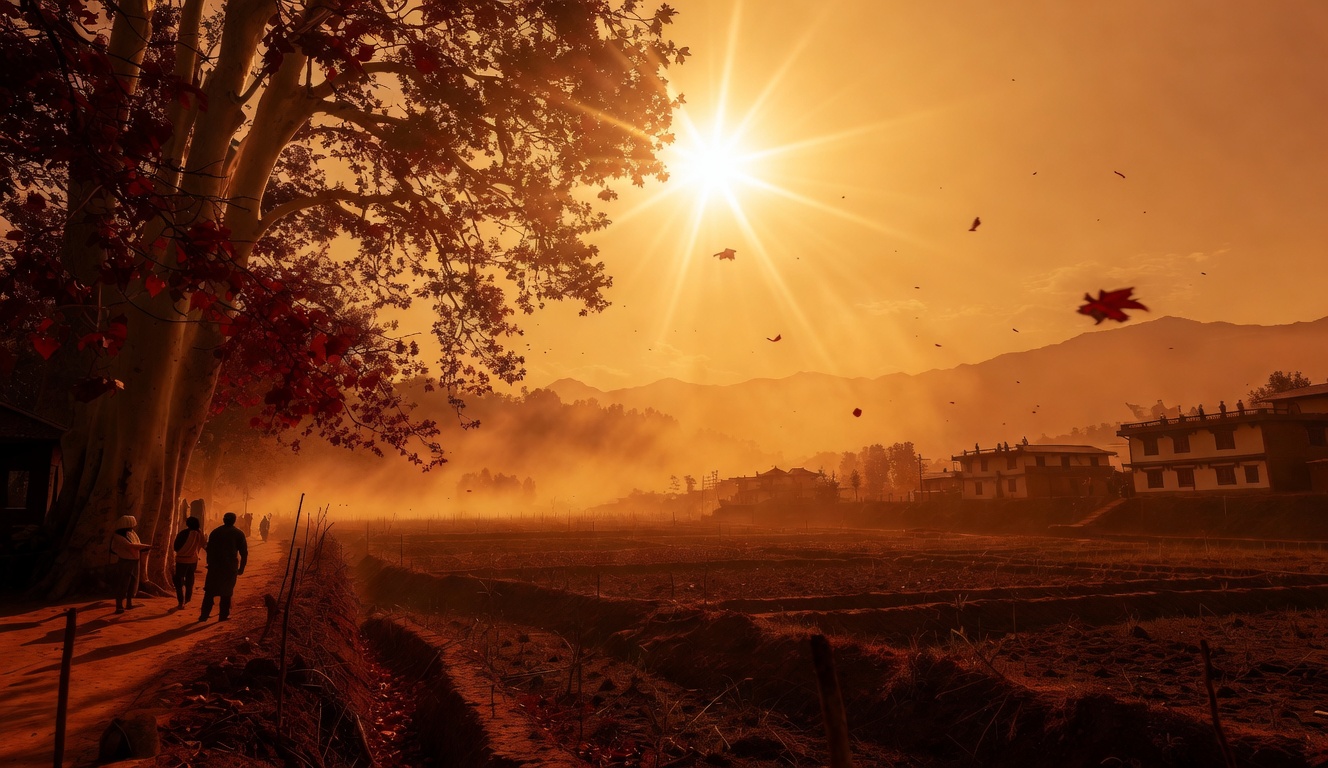
KATHMANDU: Nepal is experiencing a sharp rise in temperatures over the past several days, with the Department of Hydrology and Meteorology warning of an intense heatwave and the possible occurrence of hot wind conditions, locally known as “loo,” across major parts of the Terai region.
According to data released by the department, temperatures have already reached extreme levels, recording 41°C in Kapilvastu and 39°C in Banke.
Meteorologists have confirmed that the heat intensity is expected to persist through Wednesday, affecting the Tarai plains, the Kathmandu Valley, and surrounding low-lying and valley regions.
The department stated that hot and dry conditions are prevailing across Madhesh Province, Bagmati, Gandaki, Lumbini, and Sudurpaschim Provinces.
Western Tarai regions of Lumbini and Sudurpaschim are particularly at risk of experiencing “loo” conditions in the coming days.
Meteorologist Sanjeev Adhikari said that the heatwave will continue at least until Wednesday, with the highest impact expected in the Terai belt, valley areas, and inner valleys.
He added that while Koshi Province may see some cloud cover reducing immediate heatwave risks, western regions such as Nepalgunj, Dhangadhi, and surrounding Tarai districts are likely to face severe hot winds.
In Dipayal, Sudurpaschim Province, temperatures reached around 40°C, which experts described as unusually high for the region.
The National Disaster Risk Reduction and Management Authority has urged the public to remain alert. Senior hydrologist Rajendra Sharma emphasized that climate change is increasing the frequency and intensity of extreme heat events like “loo.”
He said preparedness measures are being developed and coordination with government agencies is underway to implement heatwave response guidelines effectively.
Authorities have recommended preventive actions such as maintaining cool environments, ensuring access to clean drinking water, and providing special care for vulnerable groups including children, the elderly, pregnant women, and patients
Public spaces such as hospitals and schools have also been advised to adopt heat safety measures.
Health Risks of Heatwave
Public health experts warn that exposure to extreme heat can cause serious health complications. Dr. Sameer Adhikari noted that heatwave conditions can lead to rapid heartbeat, breathing difficulties, low blood pressure, severe headaches, eye irritation, dizziness, and even loss of consciousness.
He further warned that prolonged exposure may affect the brain and cardiovascular system. Children and elderly individuals are particularly vulnerable.
He advised people to stay hydrated, remain in shaded or cool areas, and avoid alcohol and smoking during extreme heat conditions.
The Ministry of Health and Population has also reported that body temperatures may rise above 104°F in severe cases, accompanied by dry, red, and hot skin.
Pediatric specialist Dr. Ramhari Chapagain urged parents to take extra precautions for children during extreme heat conditions, as they are highly susceptible to heat-related illnesses.
A study conducted by the World Health Organization (WHO) on heatwave trends in Nepal highlights that climate change, rapid urbanization, and air pollution have significantly increased temperature-related health risks.
Analysis of meteorological data from 1987 to 2016 shows a steady rise in hot days, particularly in southern Nepal, along with changes in rainfall patterns during pre-monsoon and monsoon seasons.
Impact on Agriculture
Experts also warn that rising temperatures are severely affecting agriculture and livestock production. Agricultural expert Dilliram Sharma said that heatwaves can cause crops to dry out, flowers to fall prematurely, and fruit formation to be disrupted, leading to reduced yields and financial losses for farmers.
He explained that crops such as vegetables and maize are particularly vulnerable, as extreme heat during flowering and grain formation stages can significantly reduce production quality and quantity.
However, he noted that protective farming methods such as greenhouse and plastic tunnel cultivation can help reduce risks.
Experts have called for long-term strategies including improved irrigation systems, shaded farming practices, better livestock care, and climate-resilient agricultural techniques.
Safety Guidelines for Public
Authorities have issued several precautionary measures to protect against heat-related illnesses. People are advised to avoid outdoor activities during peak daytime heat, drink plenty of water and fruit juices, and use oral rehydration solutions if excessive sweating occurs.
If going outside is unavoidable, individuals are encouraged to wear protective clothing, use umbrellas, cover their heads, and take frequent breaks in shaded areas. Farmers are advised to work early in the morning or in the evening.
The Ministry of Health also recommends avoiding alcohol, limiting caffeine intake, and reducing consumption of sugary beverages during extreme heat conditions.
What is a “Loo”?
According to Nepal’s disaster management guidelines, a “loo” refers to a severe heatwave caused by extremely hot and dry winds.
The Hydrology and Meteorology Department classifies hot days based on long-term temperature records, with conditions escalating from mild to moderate and severe heatwave depending on the duration and intensity of extreme temperatures.
Experts stress the urgent need for public awareness, climate adaptation strategies, and stronger heatwave preparedness systems at all levels of government.