Nipah cases in India trigger Nepal health watch
The alarm comes years after the COVID-19 pandemic devastated global health systems.


KATHMANDU: Fresh cases of the deadly Nipah virus reported in India’s West Bengal, close to the Nepal border, have raised serious concerns across South and East Asia, prompting governments to heighten surveillance at airports and land crossings to prevent another regional health crisis.
The alarm comes years after the COVID-19 pandemic devastated global health systems.
Authorities are now moving swiftly to ensure that history does not repeat itself.
Why the Alarm Is Growing
Two healthcare workers at a hospital near Kolkata were recently diagnosed with Nipah virus infection and are currently undergoing treatment in intensive care units. Health officials have placed nearly 200 people who came into contact with them under active monitoring.
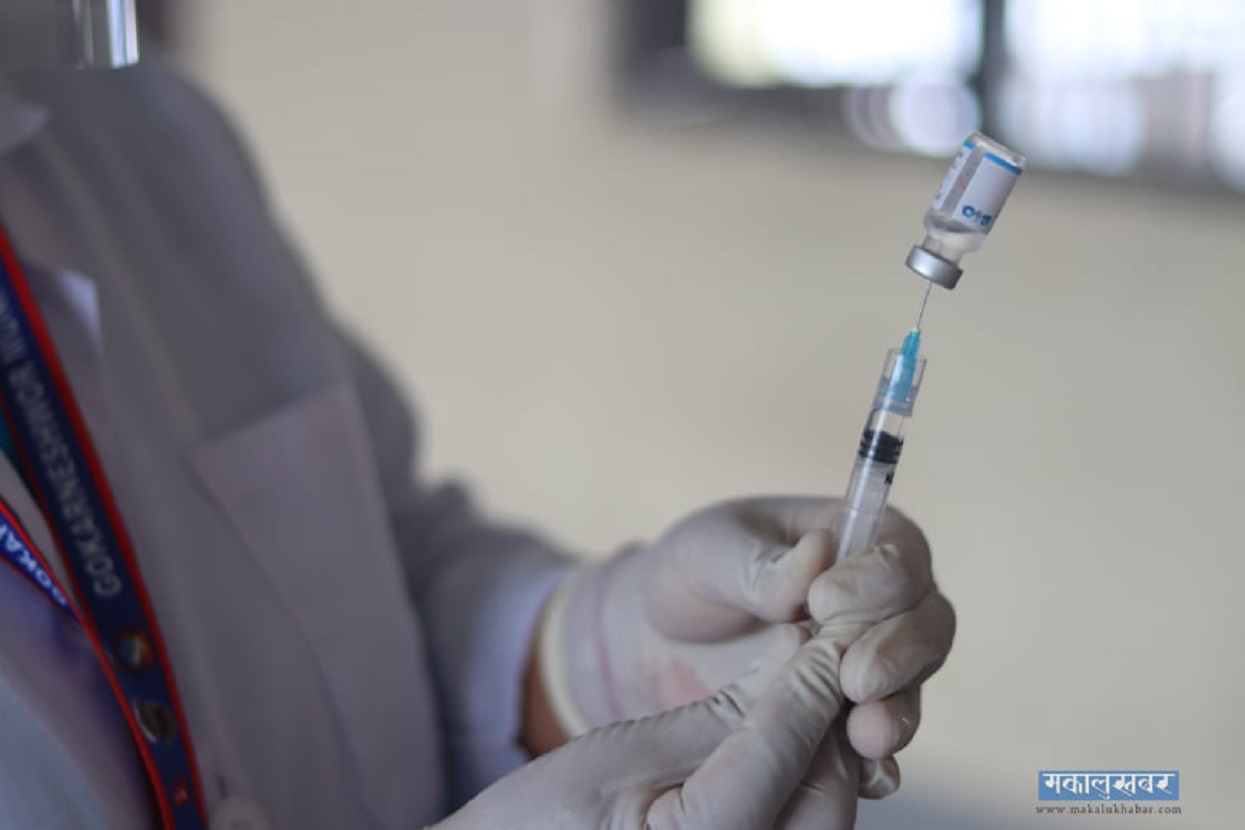
What makes the situation especially worrying is the virus’s extremely high fatality rate, estimated between 40 and 75 percent, far exceeding that of COVID-19. Even more concerning, there is no approved vaccine or specific antiviral treatment for Nipah virus.
Nepal’s vulnerability stems from its open border with West Bengal, through which thousands of people travel daily. In response, Nepali authorities have stepped up health checks at eastern border points and other Nepal–India crossings.
A Virus With a Deadly History
First identified in 1998 in Malaysia, Nipah virus emerged among pig farmers in a village named Nipah. The outbreak later spread to Singapore, killing around 100 people and forcing the Malaysian government to cull nearly one million pigs, causing massive economic losses.
Since 2001, the virus has repeatedly appeared in Bangladesh, where over 100 deaths have been reported, according to international media including The Guardian and BBC. India’s West Bengal has also witnessed sporadic outbreaks, while southern Indian state Kerala recorded deadly cases in 2018 and 2023.
The World Health Organization (WHO) lists Nipah among pathogens with high pandemic potential, alongside COVID-19 and Zika.
How Nipah Spreads
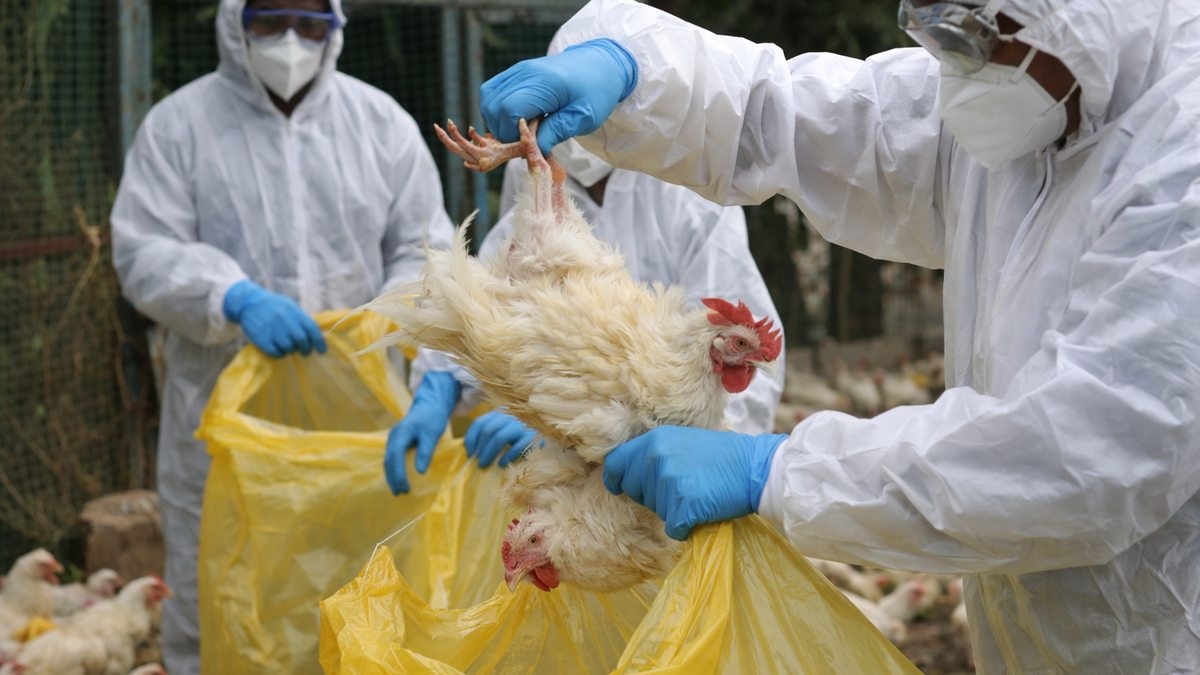
Nipah virus is a zoonotic disease, transmitted from animals to humans. Fruit bats are considered the primary reservoir, while pigs and other animals can act as intermediate hosts.
According to physicians, an infectious disease specialist at Sukraraj Tropical and Infectious Disease Hospital in Kathmandu, the virus can spread through:
-
Direct contact with infected animals
-
Consumption of food contaminated by bat saliva or urine
-
Exposure to bodily fluids of infected individuals
“In countries like the Philippines, the virus has even spread from horses to humans,” physicians said. “Nepal has abundant forest areas and fruit bats, which means the risk cannot be ignored.”
They warned that bats feeding on fruits could contaminate them, potentially transmitting the virus to humans who consume them without proper cleaning.
Symptoms and Incubation
The incubation period ranges from 4 to 14 days, and in some cases, patients may deteriorate rapidly without early symptoms.
Initial signs often include:
-
Fever
-
Headache
-
Nausea and vomiting
As the disease progresses, patients may develop:
-
Severe breathing difficulties
-
Acute encephalitis (brain inflammation)
-
Loss of consciousness
Prevention and Treatment
With no proven cure, prevention remains the most effective defense.
WHO recommends:
-
Avoiding contact with bats and sick animals
-
Washing fruits thoroughly and peeling them before consumption
-
Boiling raw date palm sap before drinking
Due to the lack of a specific treatment, confirmed patients are treated in ICU settings, with supportive care. Doctors may use antiviral drugs such as remdesivir, though none have been officially approved for Nipah treatment.
What Governments Are Doing
India has claimed that the current Nipah situation in West Bengal is under control and that the immediate risk of an outbreak has subsided. However, WHO continues to monitor the situation closely, citing the potential for cross-border spread.
Nepal, meanwhile, has activated health desks at airports and border points since last Friday. According to Health Ministry spokesperson Dr Prakash Budhathoki, designated hospitals have been prepared to manage suspected cases, and individuals showing symptoms are being placed under observation.
A Call for Vigilance
Health experts stress that constant vigilance, public awareness, and cross-border cooperation are essential to prevent Nipah from turning into another regional health emergency.