MoHP urged to produce 98 essential medicines locally
Currently, domestic production meets only around 40–50% of the country’s total medicine demand.

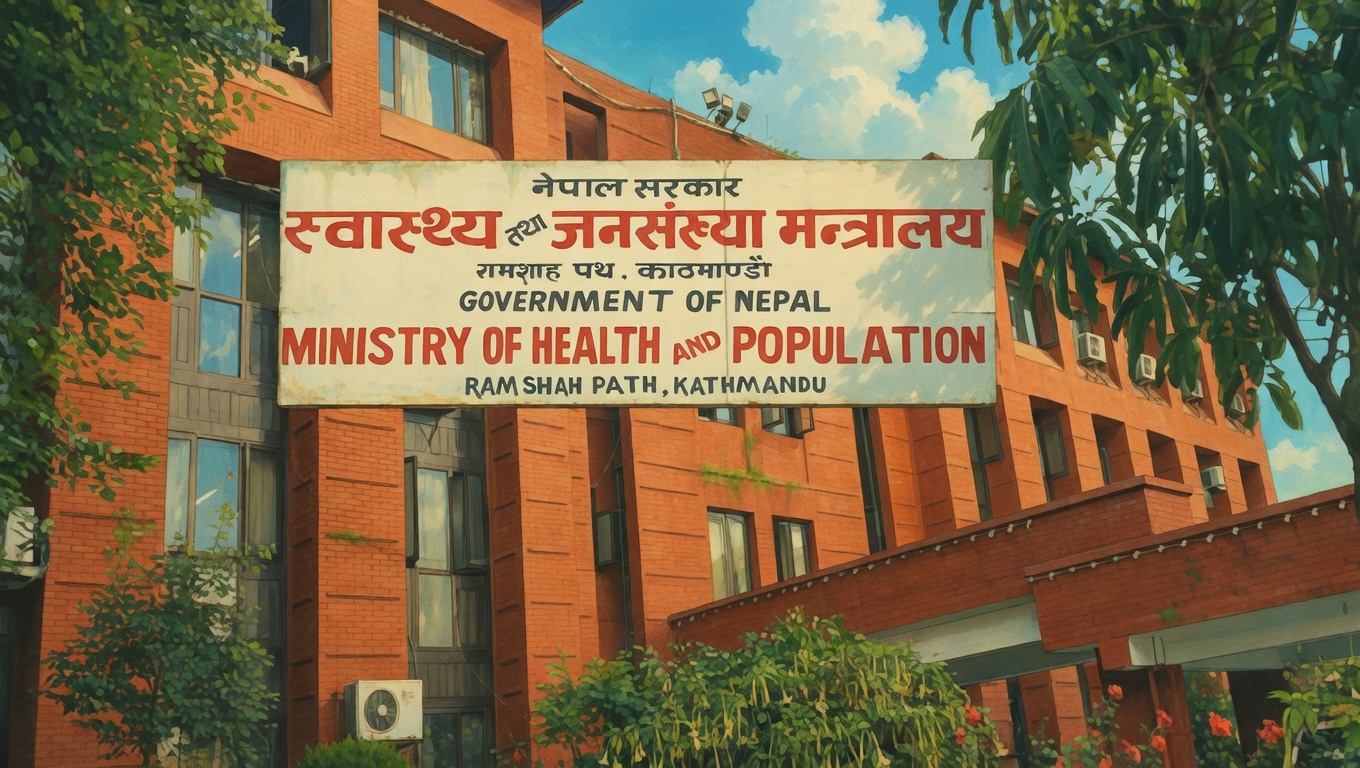
KATHMANDU: The Ministry of Health and Population has urged Nepali pharmaceutical companies to fully produce 98 types of essential medicines domestically, as designated by the government.
Speaking at an event organized by the Health Journalists’ Forum Nepal in Lalitpur, Dr. Chumanlal Das, Chief of the Policy and Planning Division at the ministry, emphasized that local manufacturers should treat this initiative as a matter of “social responsibility” and facilitate both production and supply.
Currently, domestic production meets only around 40–50% of the country’s total medicine demand. Dr. Das stressed that Nepali pharmaceutical companies must expand their production capacity to replace imported medicines. He also clarified that the ministry intends to prioritize locally produced medicines in procurement while urging manufacturers not to compromise on quality or pricing.
“We need affordable, high-quality, and sufficient medicines. In the first phase, the government wants these 98 essential medicines to be produced domestically. Currently, we can produce only 40–45 types ourselves. Without expanding capacity, imported medicines cannot be replaced,” Dr. Das said.
He added that the state would fully support pharmaceutical companies that make quality medicines accessible at reasonable prices, while also fulfilling their social responsibility.
Addressing concerns about misconceptions in the market, Dr. Das noted that while Nepali medicines are of good quality, rumors branding them as ‘substandard’ persist. He stressed the need for effective communication and advocacy to counter such myths.
“Manufacturers claim their products are of high quality, and the ministry purchases them with full confidence. Yet, there are still claims that government agencies buy substandard medicines. This happens because our communication and advocacy have not been strong enough,” Dr. Das said. He suggested that, similar to the ‘Risk Communication and Community Engagement’ model used during disasters, the public should be informed about the quality of medicines. This, he said, would benefit both the ministry and local producers while increasing public trust in Nepali-made medicines.
The ministry also assured pharmaceutical companies that there is no shortage in the market and encouraged them to scale up production. Dr. Das highlighted that the ongoing ‘Health Insurance Program’ is currently the largest consumer of medicines in Nepal, ensuring easy consumption of locally produced medicines. He emphasized that increasing domestic production would not create market saturation.
After meeting domestic demand, any surplus medicines could be exported, which would strengthen the national economy, he added.