Military buildup, nuclear deadlock: Trump signals hard line on Iran
The standoff comes as Iran faces deepening internal turmoil. Analysts say economic collapse and widespread protests have put the ruling establishment under unprecedented strain.


KATHMANDU: U.S. President Donald Trump has sharply escalated pressure on Iran over its nuclear programme, warning Tehran that “time is running out” as Washington rapidly deploys massive naval and military assets to the Gulf region.
Posting on his social media platform Truth Social, Trump said a “very large U.S. naval force” is moving toward Iran “with power, enthusiasm and purpose,” describing the deployment as bigger than the one sent during the Venezuela crisis. He urged Iran to return to negotiations or brace for “serious military consequences.”
“We hope Iran comes to the table soon and agrees to a fair deal—an Iran without nuclear weapons is our condition,” Trump wrote, adding that U.S. forces are capable of completing their mission “with speed and overwhelming force” if required.
Iran’s Response: ‘Our Finger Is on the Trigger’
Iran swiftly pushed back. Foreign Minister Abbas Araghchi said the country’s armed forces are “finger on the trigger,” warning of an “immediate and powerful” response to any attack by land or sea. At the same time, he reiterated Tehran’s willingness to pursue a “just nuclear agreement” under conditions of equality and without pressure, insisting Iran’s nuclear programme remains peaceful and denying any intent to build nuclear weapons.
Regime Under Strain at Home
The standoff comes as Iran faces deepening internal turmoil. Analysts say economic collapse and widespread protests have put the ruling establishment under unprecedented strain.
Following a sharp currency devaluation, demonstrations have evolved into broader challenges to the legitimacy of the religious leadership, with reports of severe crackdowns on protesters.
According to the U.S.-based Human Rights Activists News Agency, at least 6,301 people have been killed since protests erupted in late December, including 5,925 demonstrators.
The group is investigating reports of up to 17,000 additional deaths that could not be verified due to internet shutdowns. Norway-based Iran Human Rights has warned the death toll could exceed 25,000.
U.S. Secretary of State Marco Rubio told the Senate Foreign Relations Committee that the Iranian regime is “at its weakest point in history,” arguing it has no viable plan to address protesters’ core demand—economic recovery.
Rising Military Signals
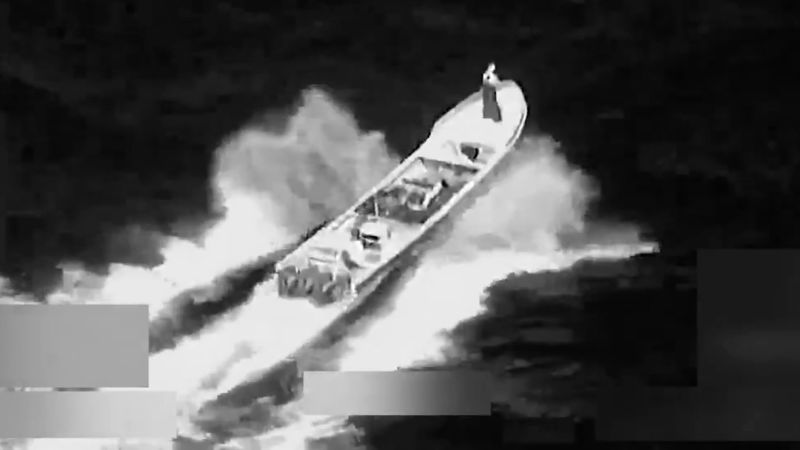
Tensions have also been heightened by recent military movements. Satellite imagery verified by BBC Verify shows at least 15 U.S. fighter jets landing at Jordan’s Muwaffaq Air Base, alongside increased cargo and military aircraft activity in Qatar and Diego Garcia.
U.S. defence officials have confirmed that a large armada led by the aircraft carrier USS Abraham Lincoln has already entered the Gulf.
Trump also recalled last June’s 12-day Iran–Israel war, during which the U.S. struck Iranian nuclear facilities under “Operation Midnight Hammer,” warning that any future attack would be “far worse.”
Is a New Deal Possible?
Relations have steadily deteriorated since Trump withdrew the U.S. from the 2015 Iran nuclear deal in 2018. Iran’s Deputy Foreign Minister Kazem Gharibabadi said there are currently no formal talks with Washington, though indirect messages are being exchanged.
The international community has voiced growing concern that the escalating military buildup could spiral into a major regional conflict.
Trump has demanded that Iran abandon nuclear weapons ambitions, curb its missile programme, and halt support for proxy groups—conditions Tehran views as an assault on its sovereignty.