Kathmandu engulfed in toxic smog, public health at risk (photos)
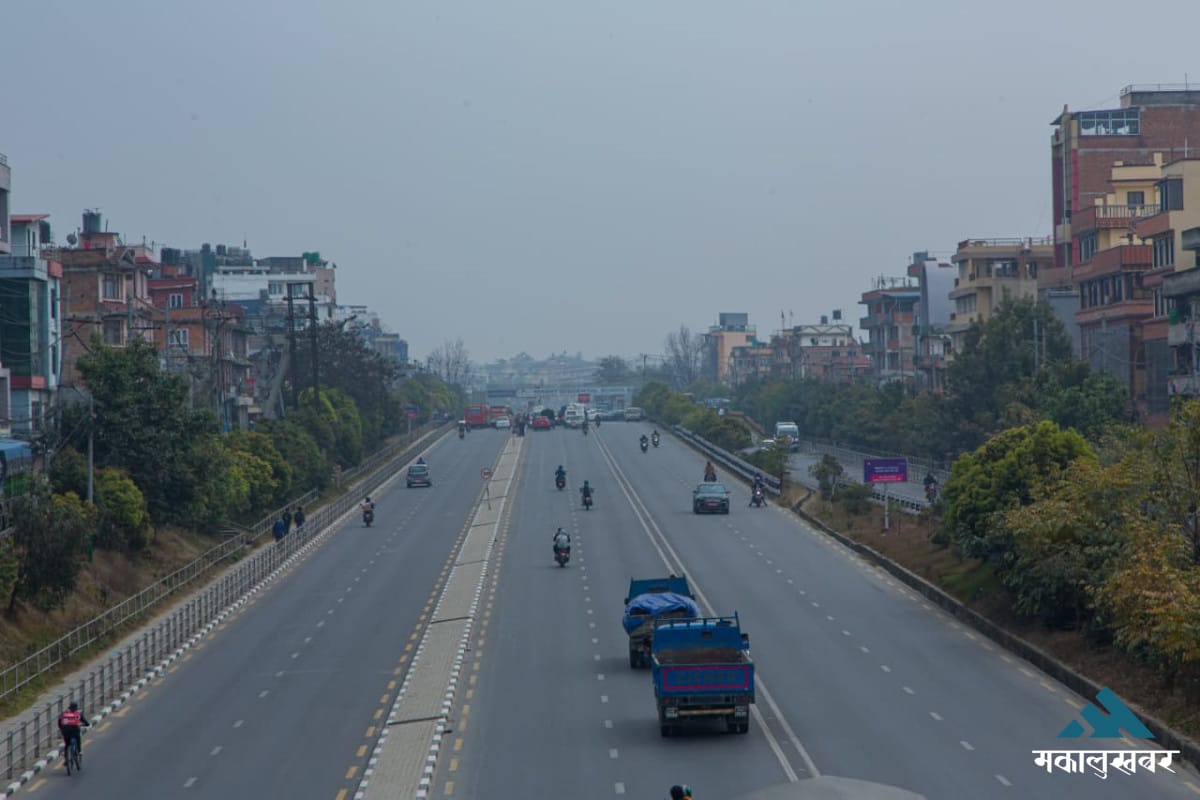
The city’s skyline is obscured by a dense layer of smoke and dust, turning the once-blue sky gray and making the air nearly toxic for residents.

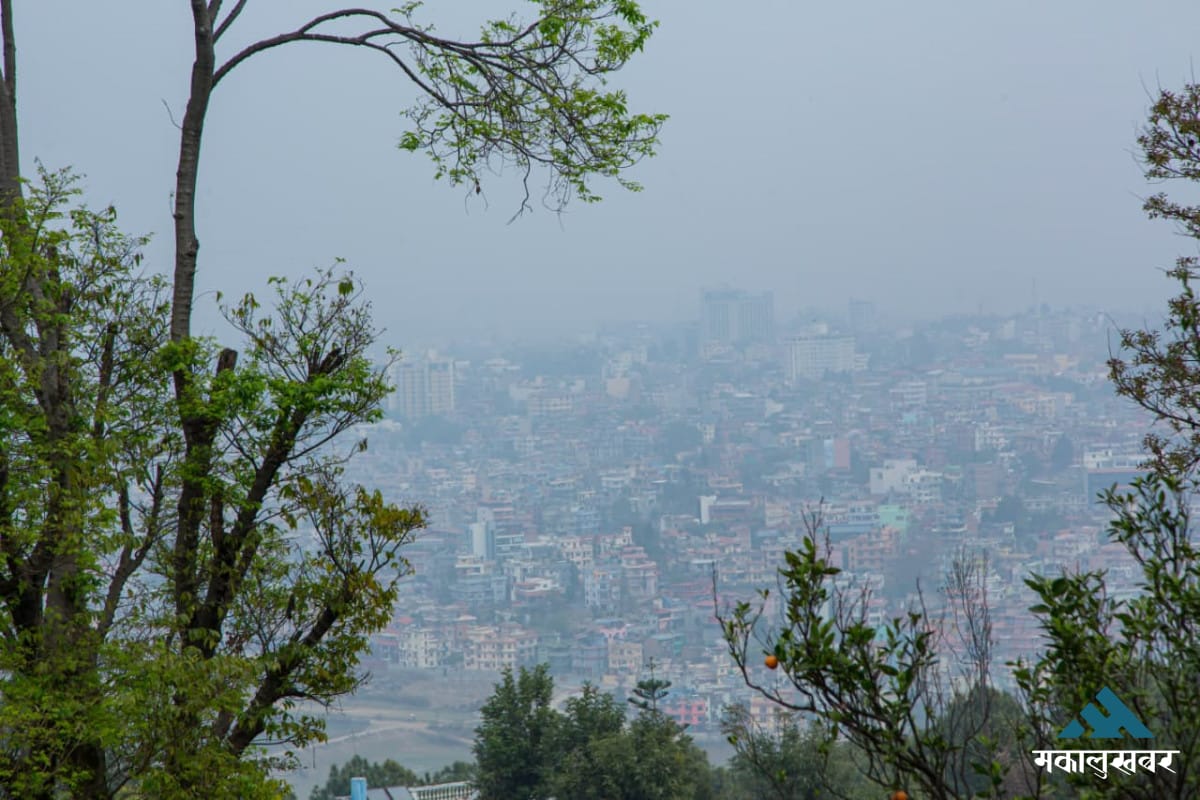
KATHMANDU: The federal capital, Kathmandu, is currently trapped under severe air pollution, with air quality indices indicating levels extremely hazardous to human health.
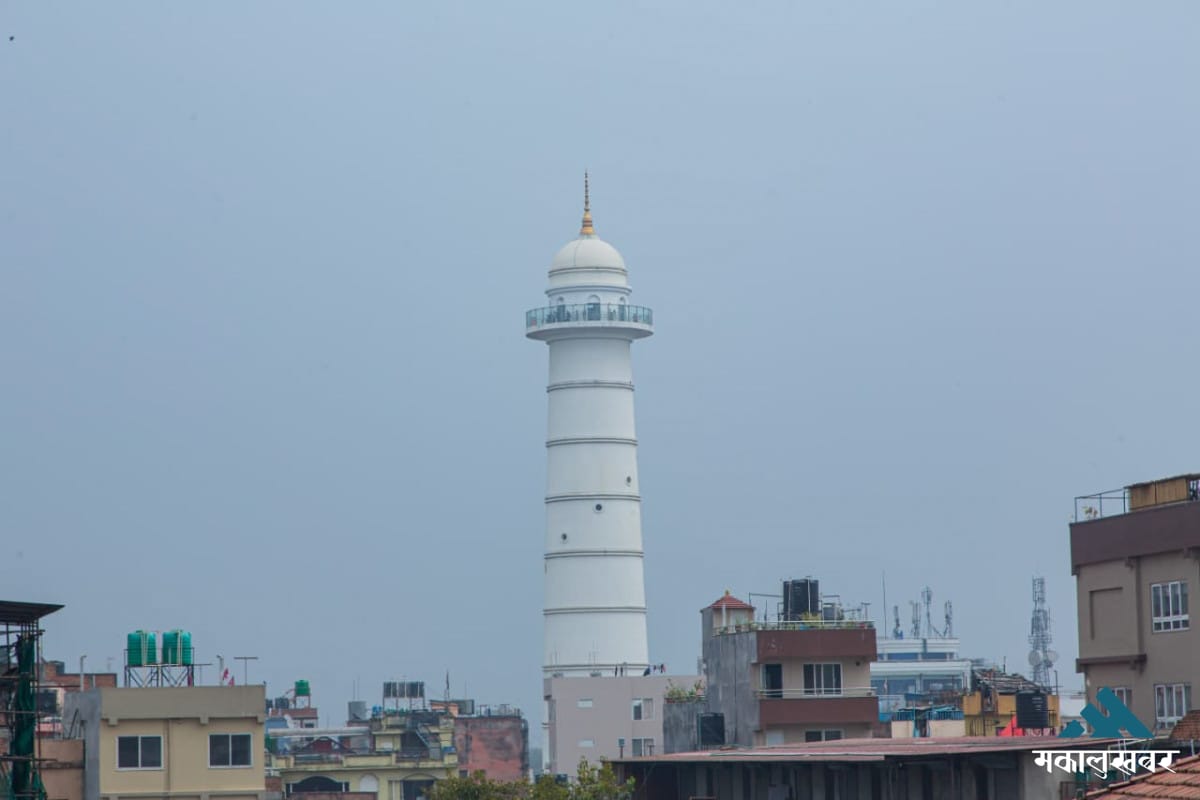
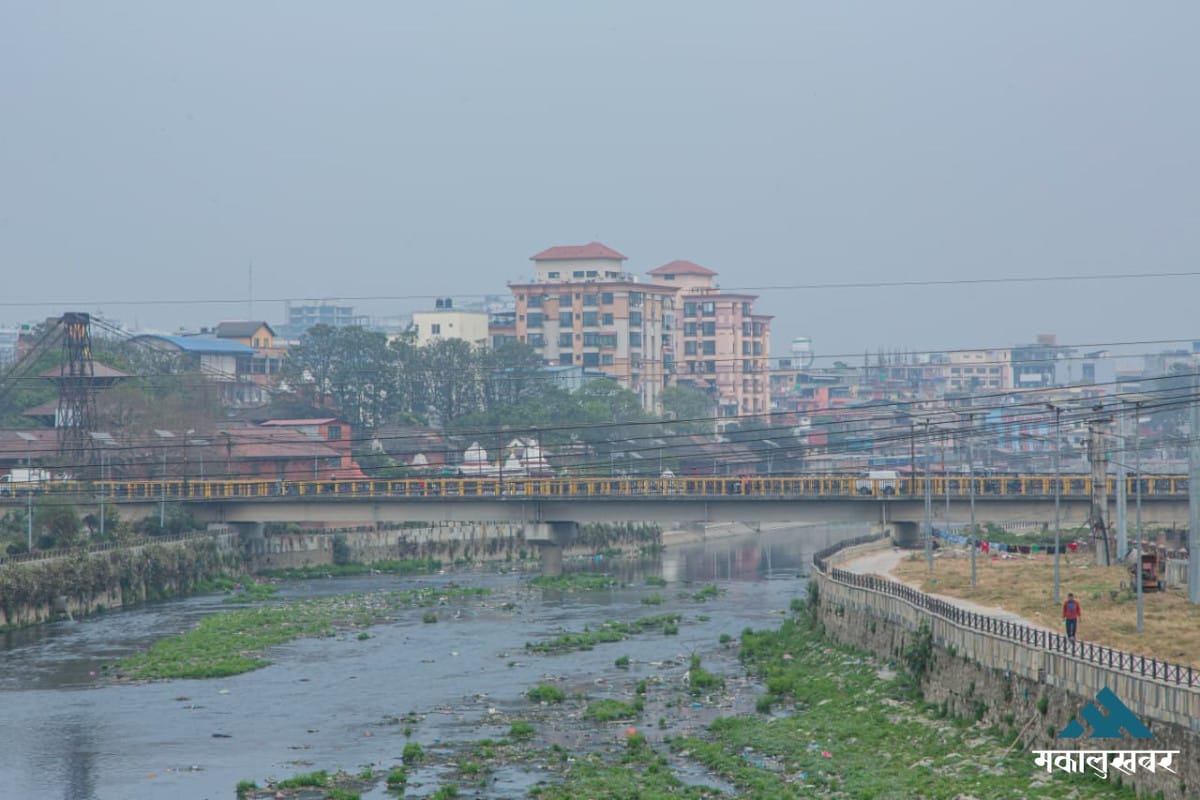
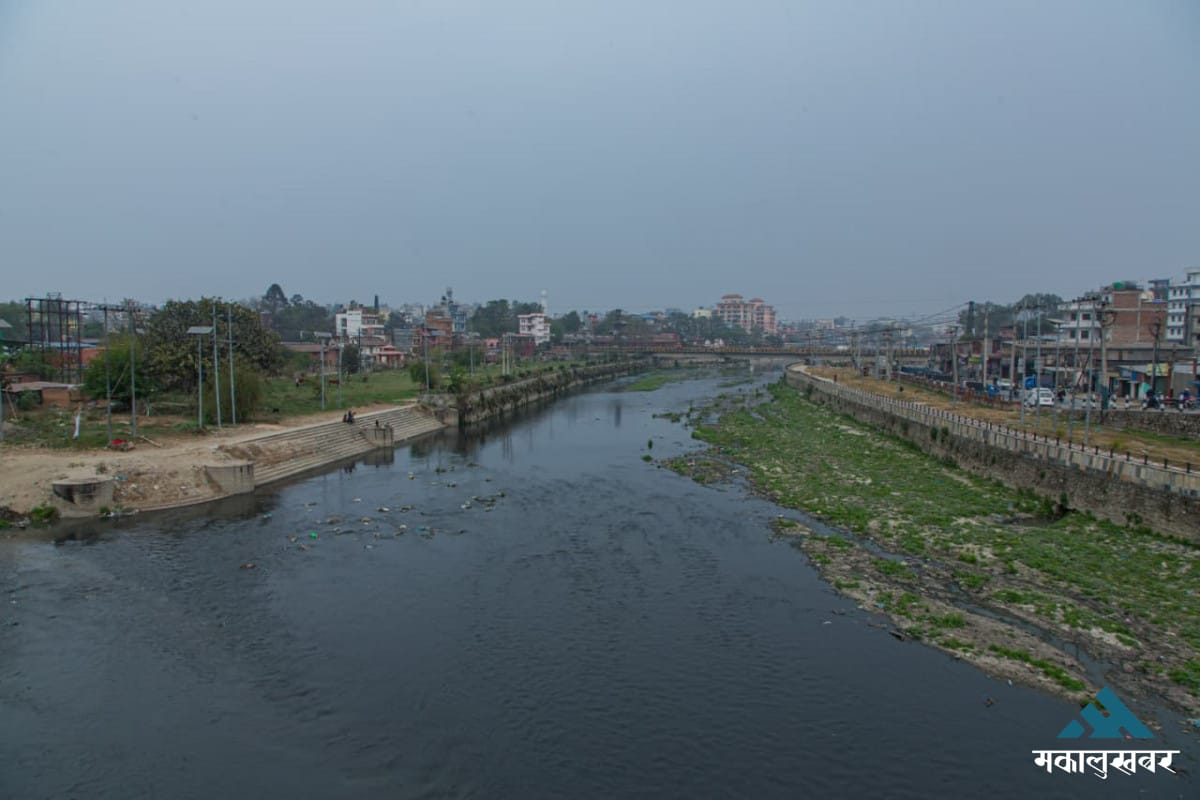
The city’s skyline is obscured by a dense layer of smoke and dust, turning the once-blue sky gray and making the air nearly toxic for residents.
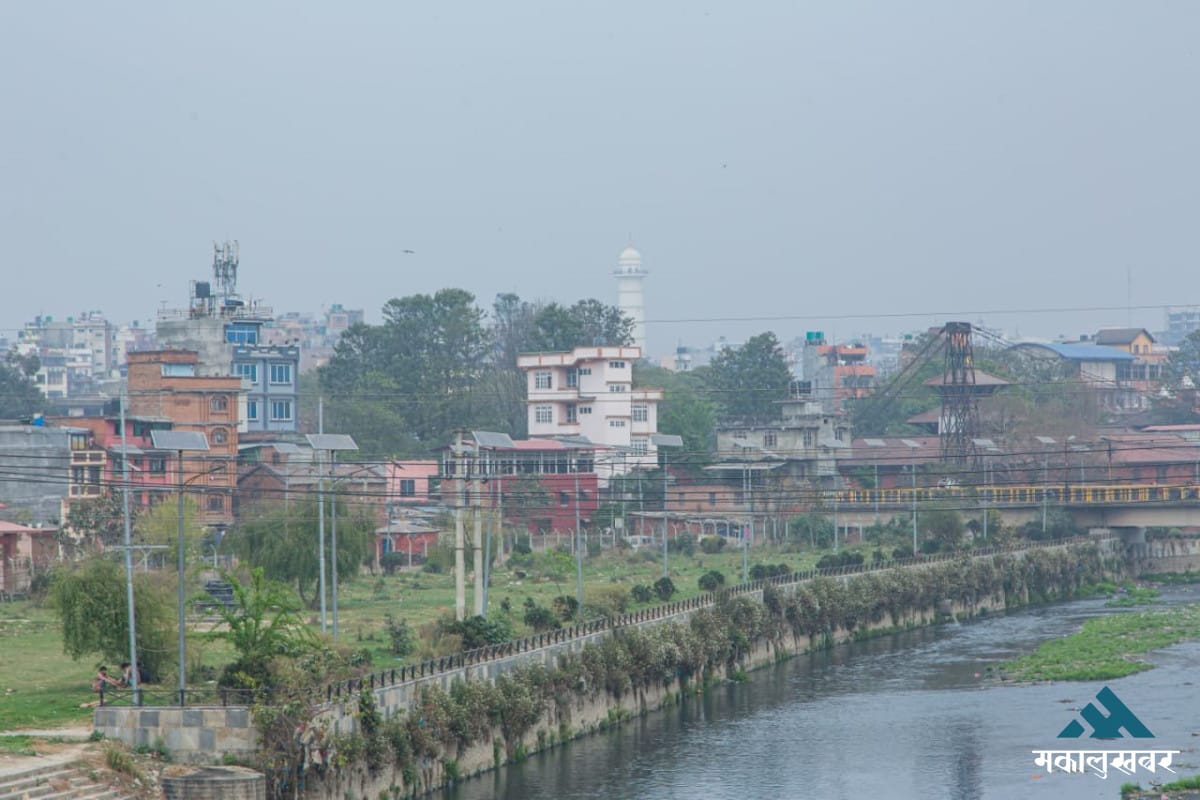
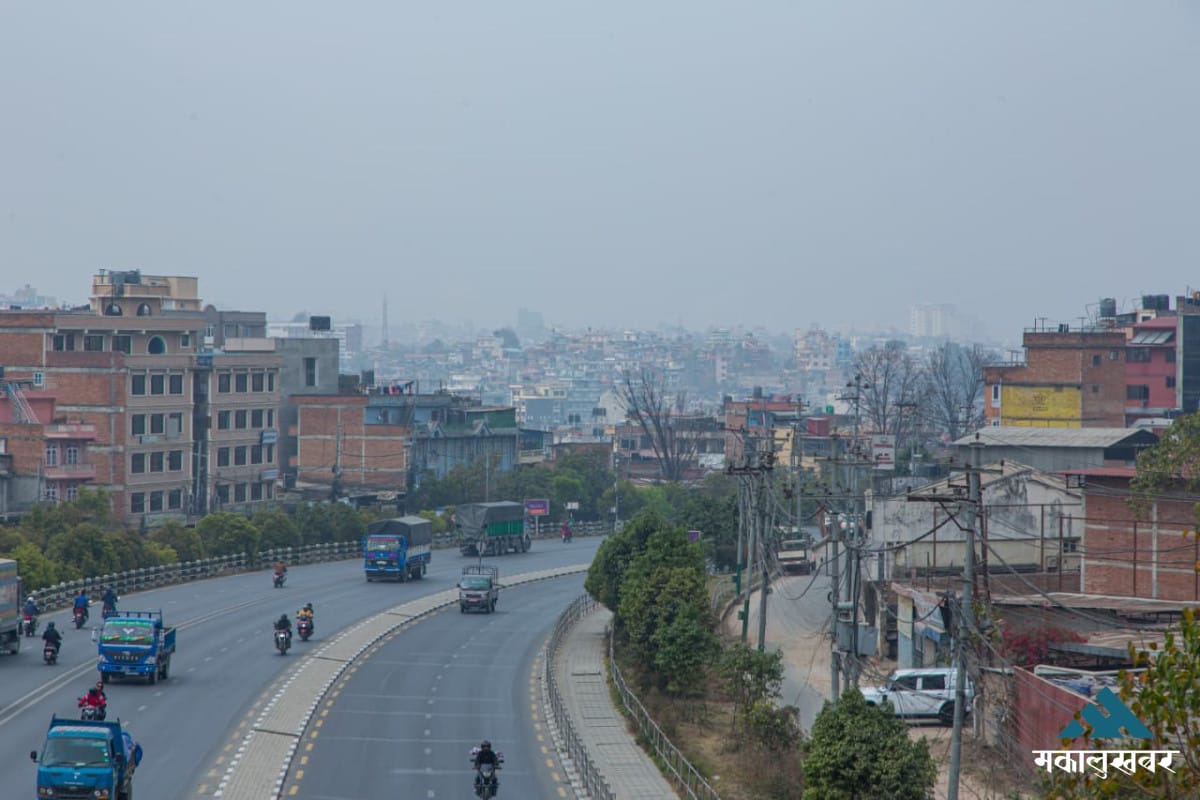
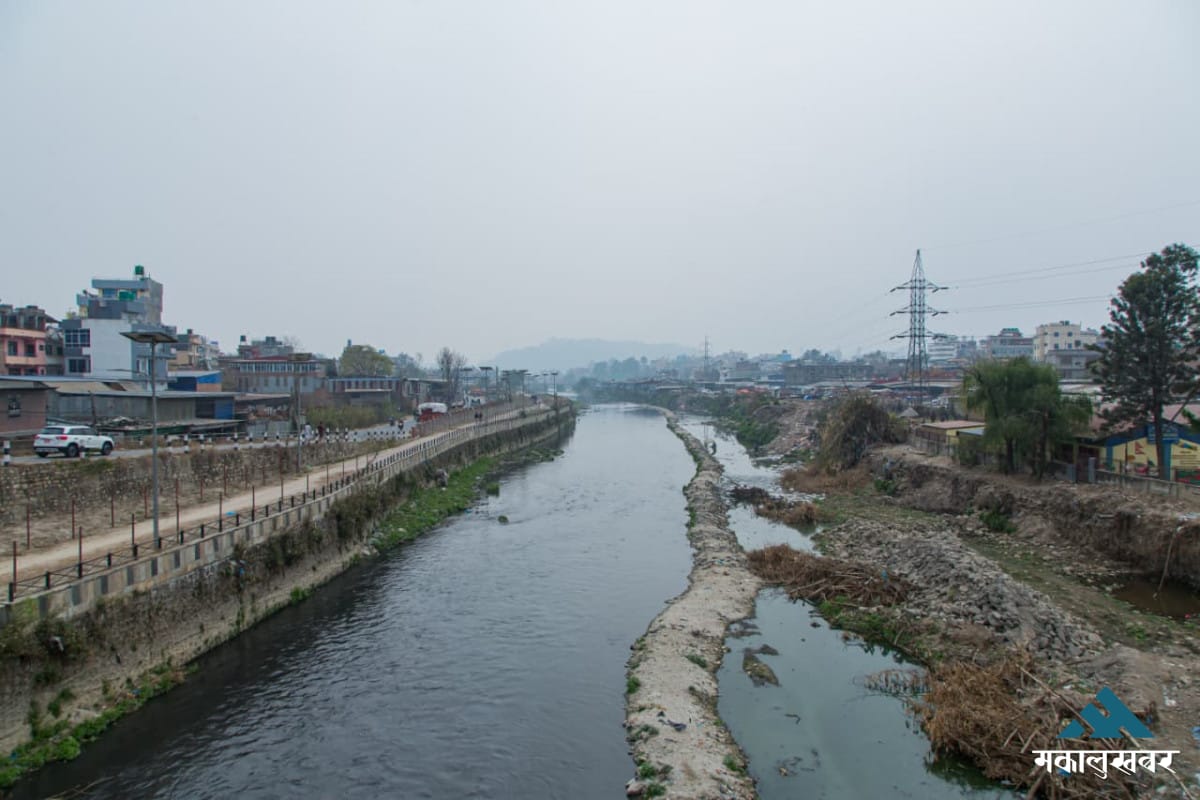
From the banks of the Bagmati River to the wide roads of the Ring Road, the view is shrouded in a dismal haze.
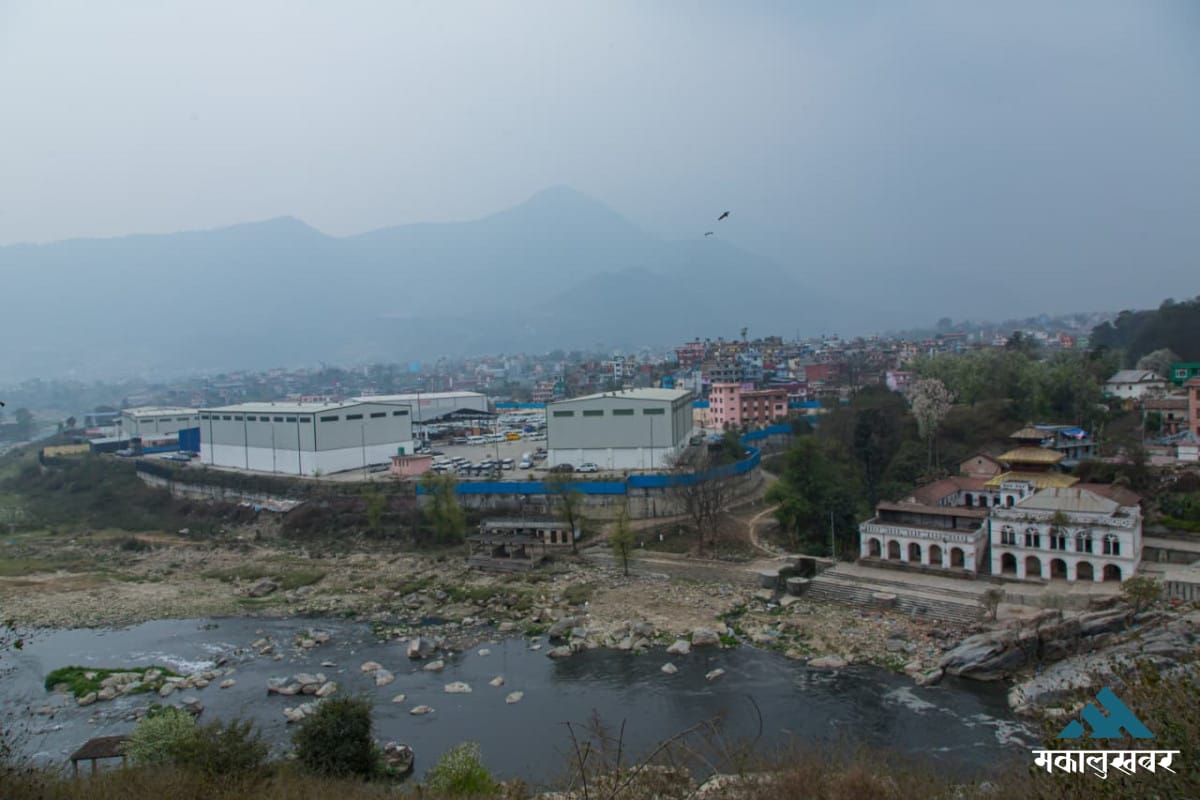
High-rise buildings and iconic landmarks such as Dharahara Tower appear blurred beneath the smog.
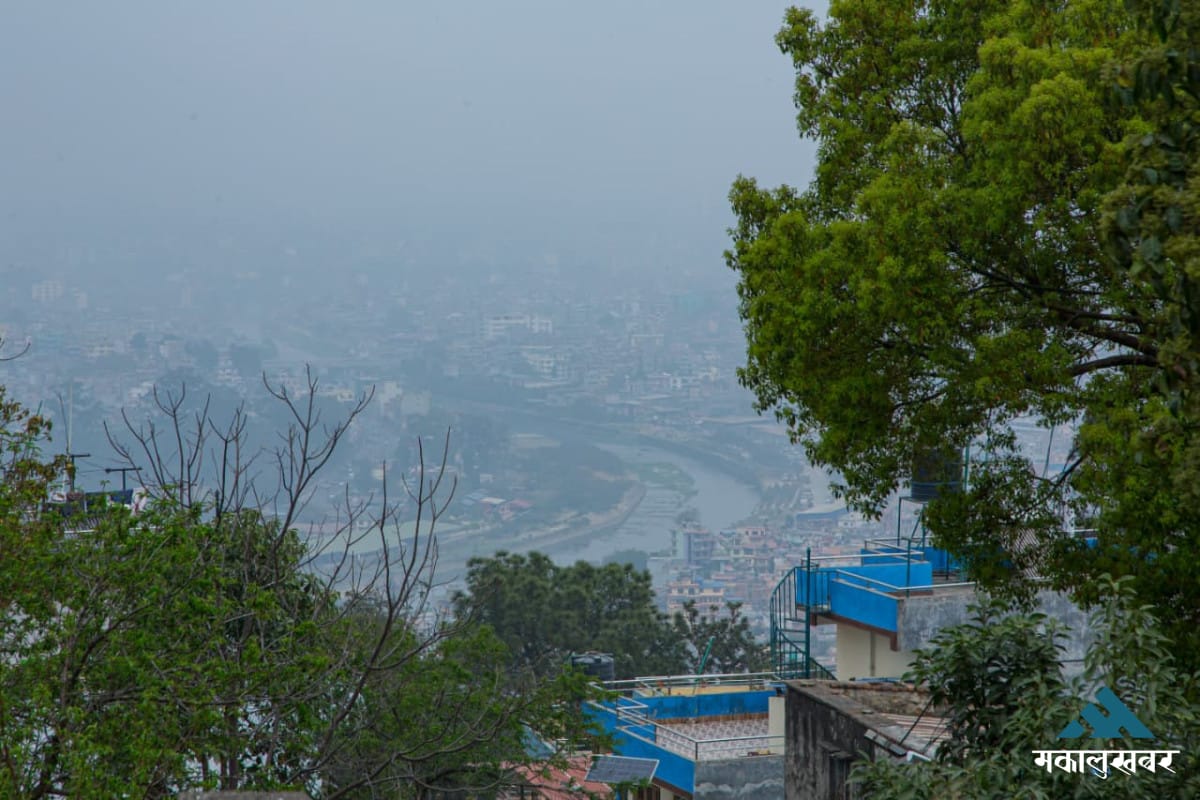
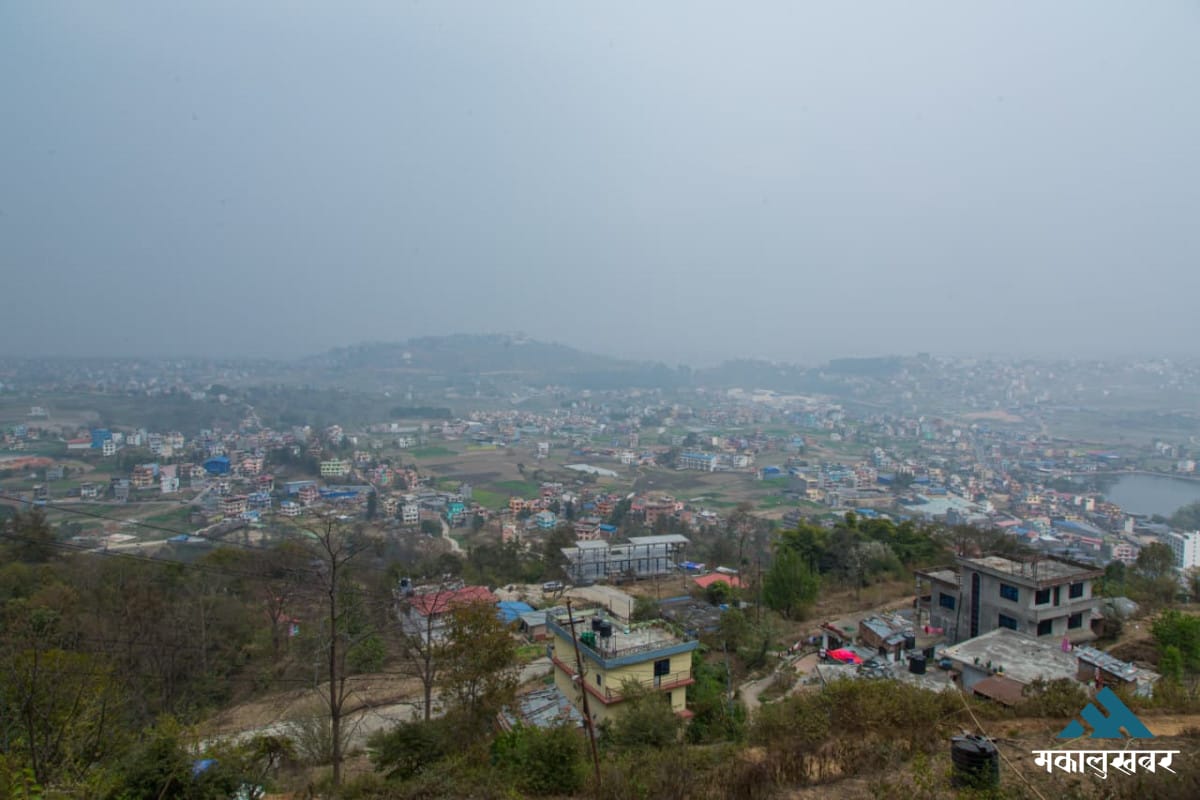
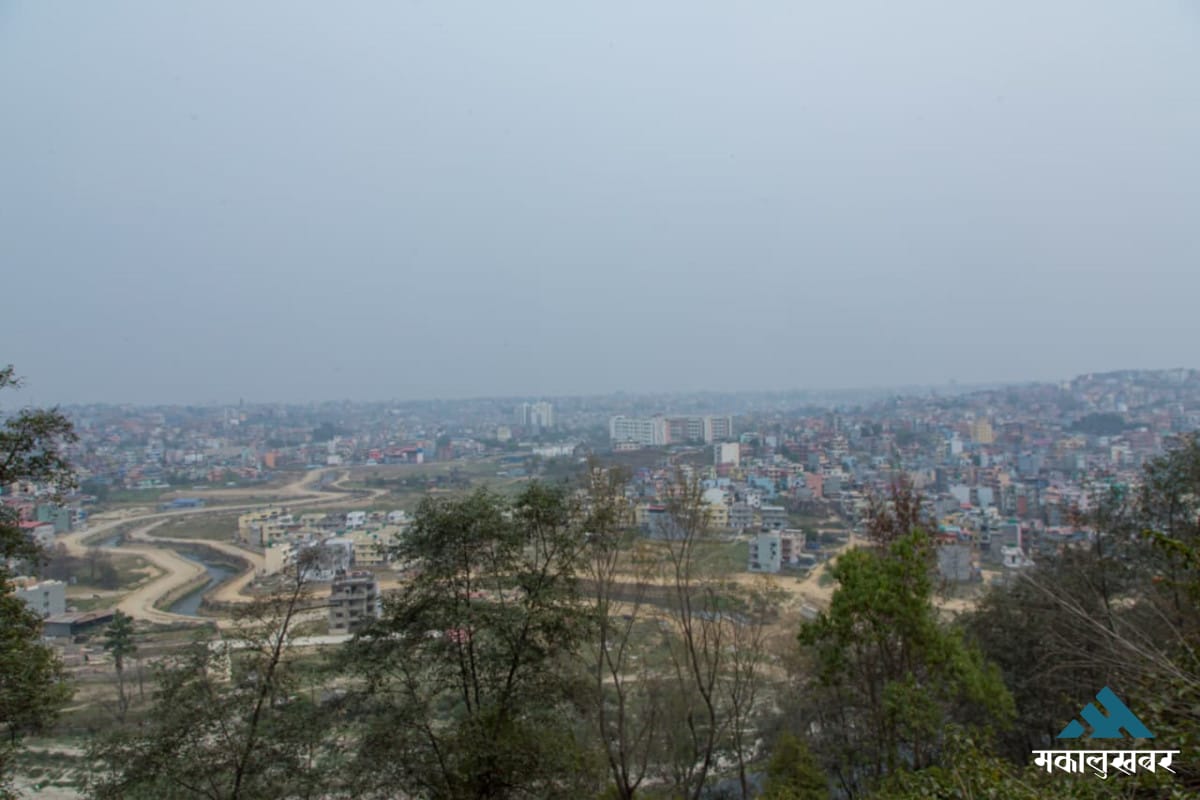
Photos from surrounding hills reveal the entire city submerged in what looks like a bowl of smoke, with green hills and distant settlements barely visible.
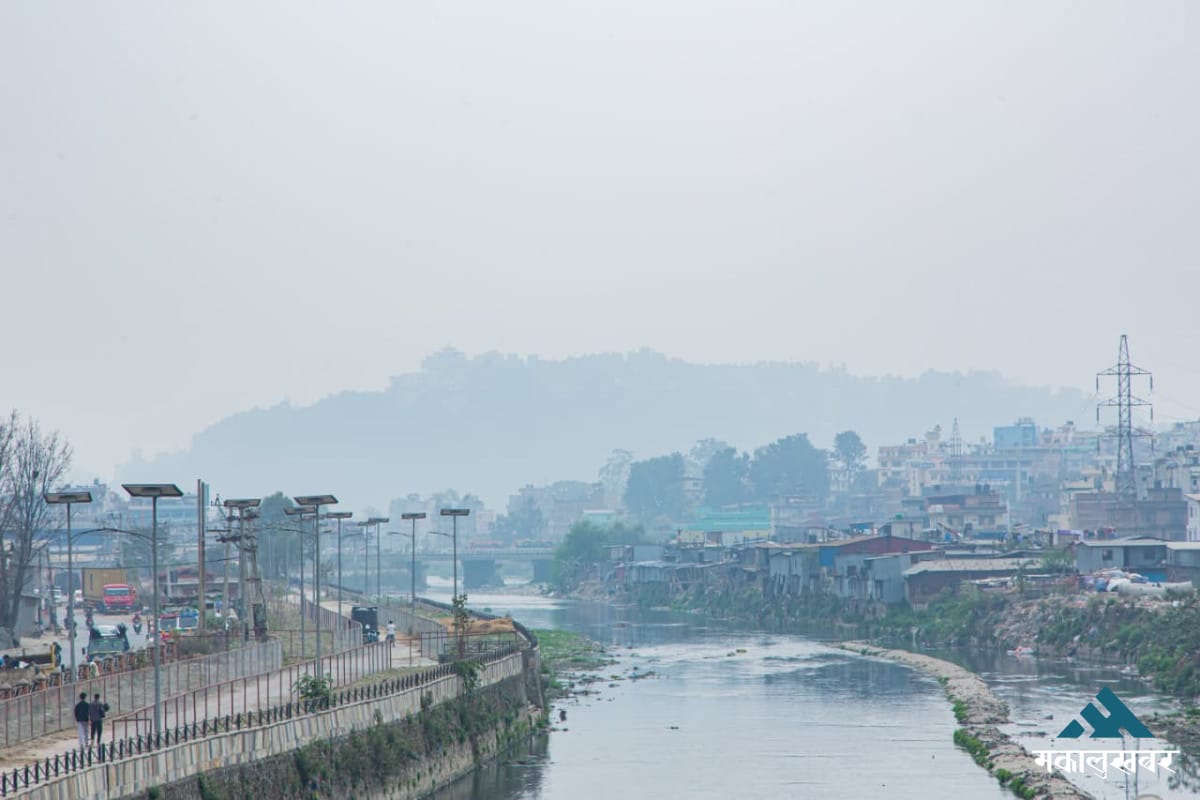
Kathmandu’s bowl-shaped geography traps pollutants from vehicles, industries, and construction, preventing their dispersal.
Reduced visibility has heightened traffic risks, while pedestrians report eye irritation, throat discomfort, and difficulty breathing.
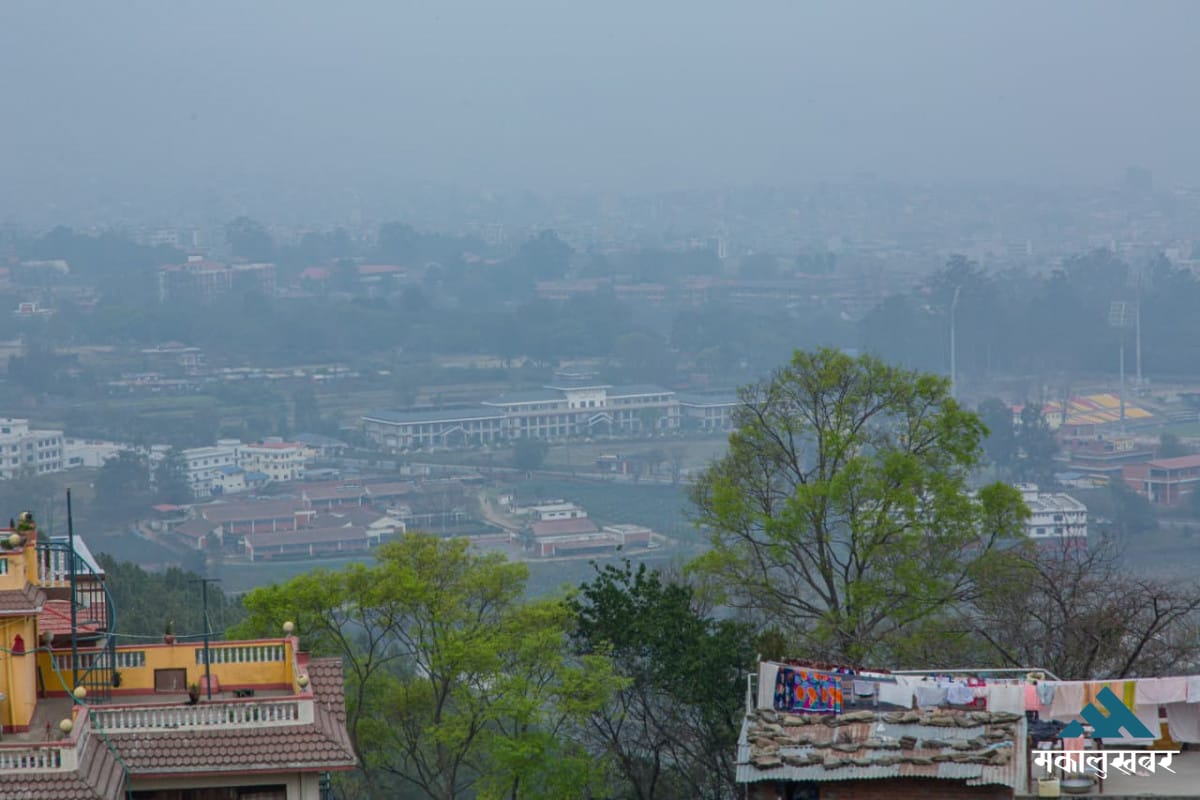
Medical experts warn that the smog poses serious health threats, particularly for children, the elderly, and people with respiratory conditions like asthma and pneumonia.
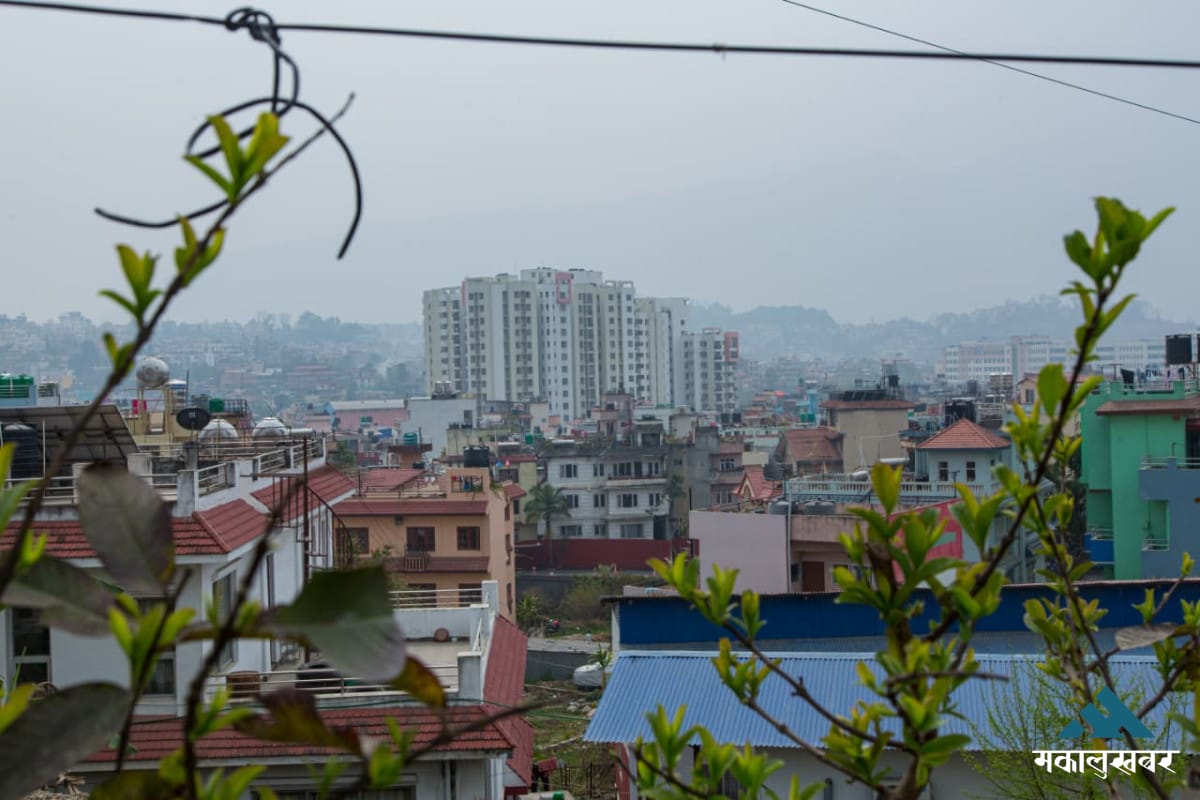
Authorities and environmental specialists stress that clean air is a fundamental human right.
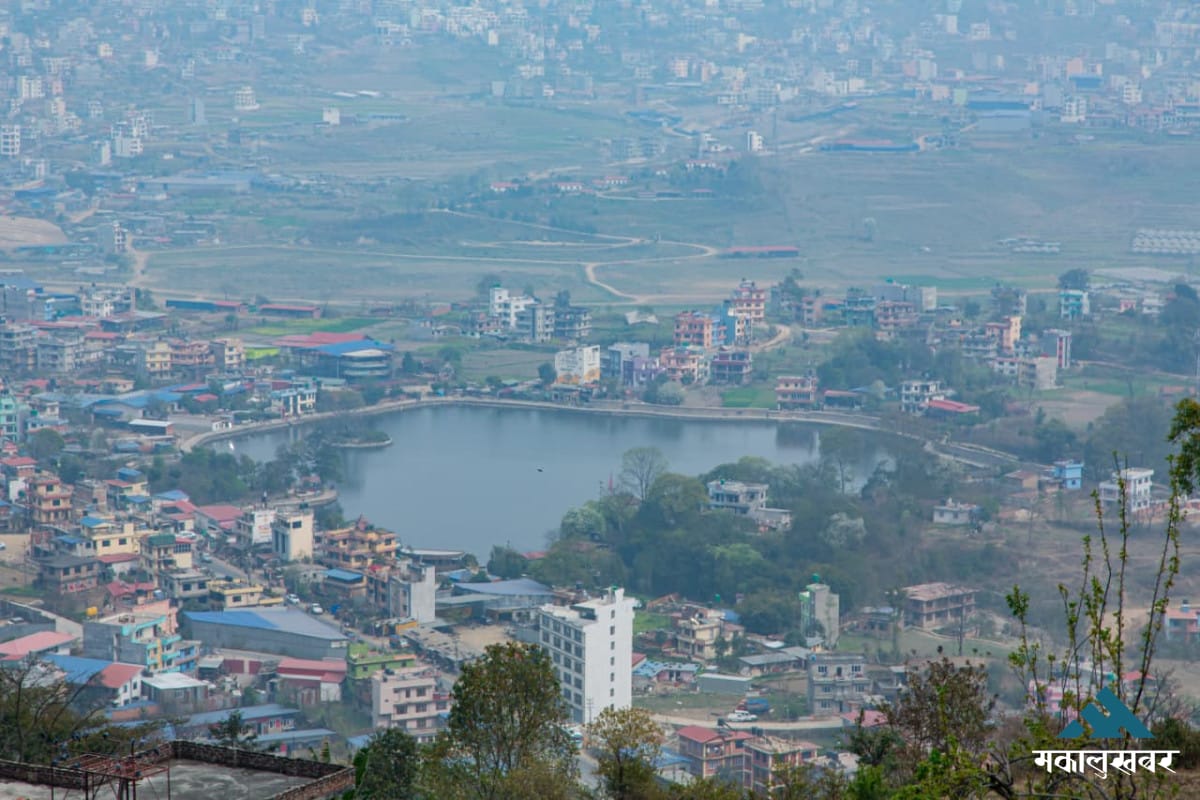
Citizens are advised to avoid outdoor exercise, including morning walks, and to stay indoors unless absolutely necessary.
Experts warn that urgent crisis-response measures are overdue, and long-term strategies are needed to combat Kathmandu’s worsening air pollution.
Practical guide to protect severe air pollution:
1. Stay indoors as much as possible
-
Avoid going outside unless absolutely necessary.
-
Keep doors and windows closed to limit smoke and dust entering your home.
2. Use high-quality masks
-
Use N95 or N99 masks, which filter fine particulate matter (PM2.5).
-
Regular cloth or surgical masks are not enough against toxic smog.
3. Air quality at home
-
Use air purifiers with HEPA filters if possible.
-
Avoid burning wood, incense, or other smoke indoors.
4. Protect vulnerable people
-
Children, elderly, and those with respiratory or heart problems should avoid exposure completely.
-
Limit outdoor activity for them even in short trips.
5. Reduce indoor pollutants
-
Avoid cooking with smoke-producing fuels; use chimneys or exhaust fans.
-
Keep floors and surfaces clean to reduce dust accumulation.
6. Monitor air quality
-
Check daily AQI (Air Quality Index) updates online or via apps.
-
Plan any necessary outdoor activities when pollution levels are lower.
7. Stay healthy
-
Drink plenty of water to help your body flush out toxins.
-
Eat fresh fruits and vegetables to strengthen your immune system.
-
Avoid smoking or being around secondhand smoke.