Kathmandu air pollution drops after rain, AQI improves to 149
According to the latest data from the Air Quality Index (AQI), the pollution level stood at 149 as of midday today, down from 178 recorded on Thursday.

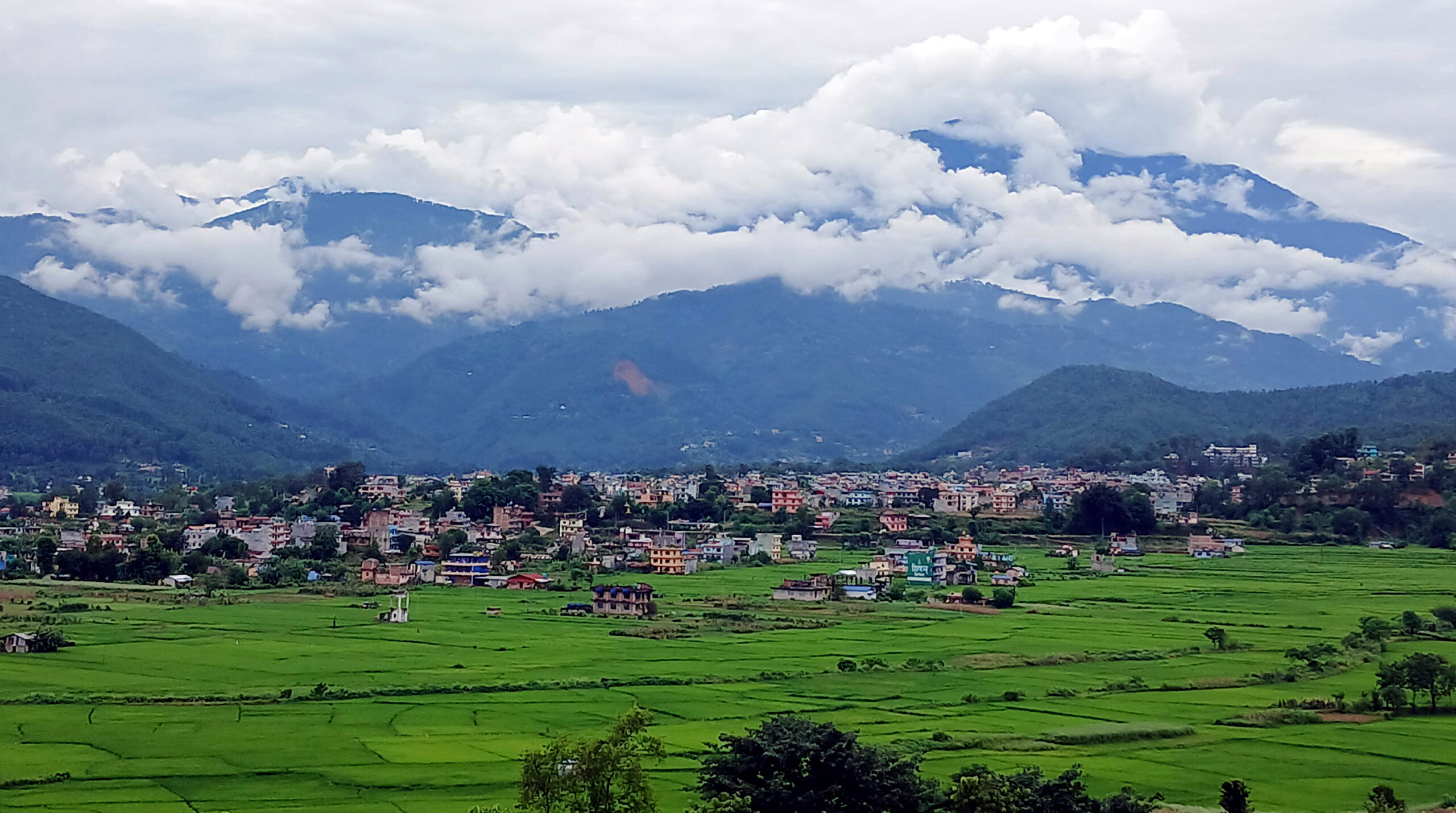
KATHMANDU: Kathmandu Valley and other major cities in Nepal have seen a significant drop in air pollution in recent days.
According to the latest data from the Air Quality Index (AQI), the pollution level stood at 149 as of midday today, down from 178 recorded on Thursday.
On Thursday, Kathmandu was ranked the second most polluted city in the world at the same time, but today it has fallen to 12th place.
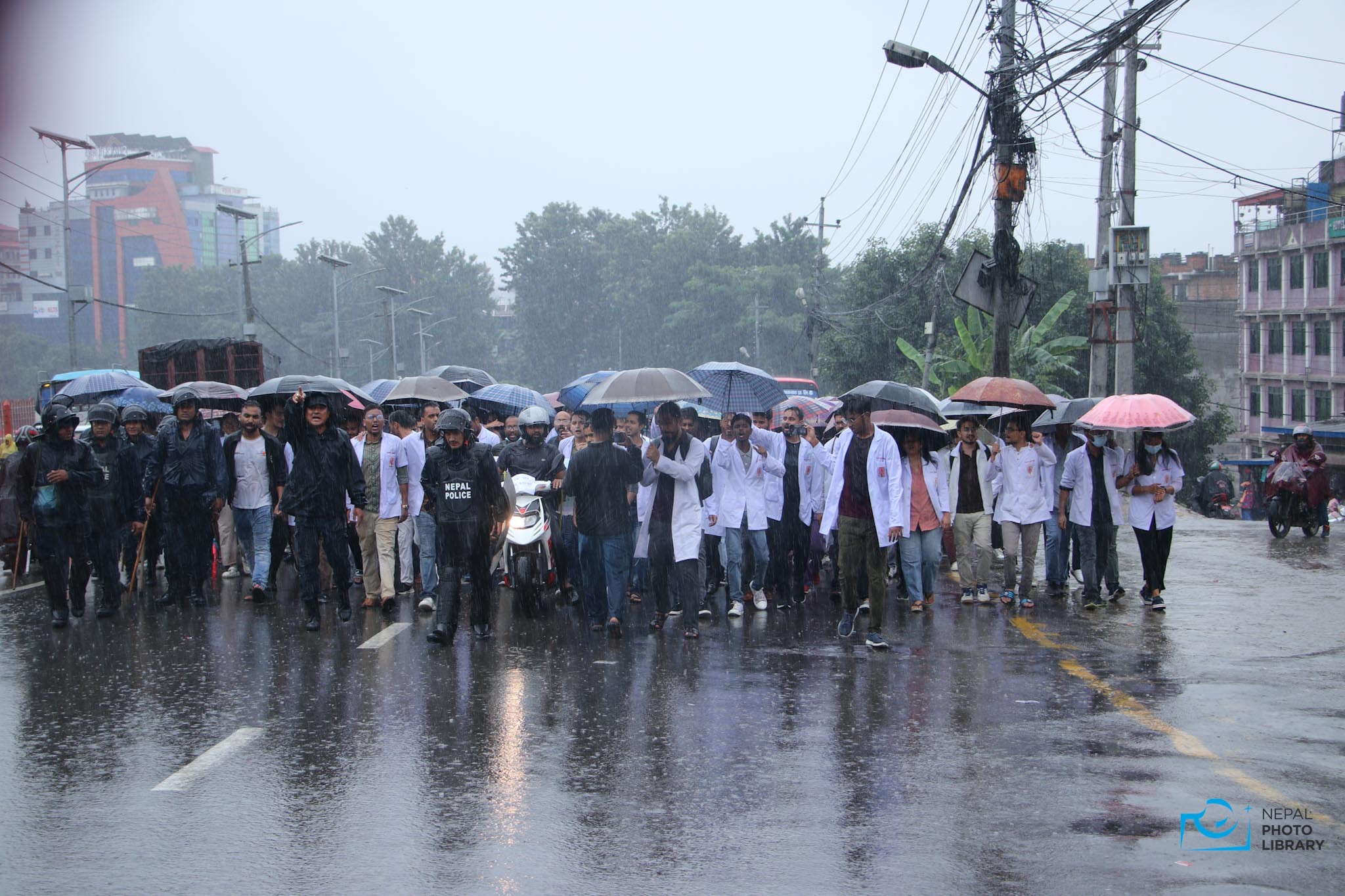
Experts attribute the improvement to recent rainfall, which helped cleanse the air of dust and particulate matter.
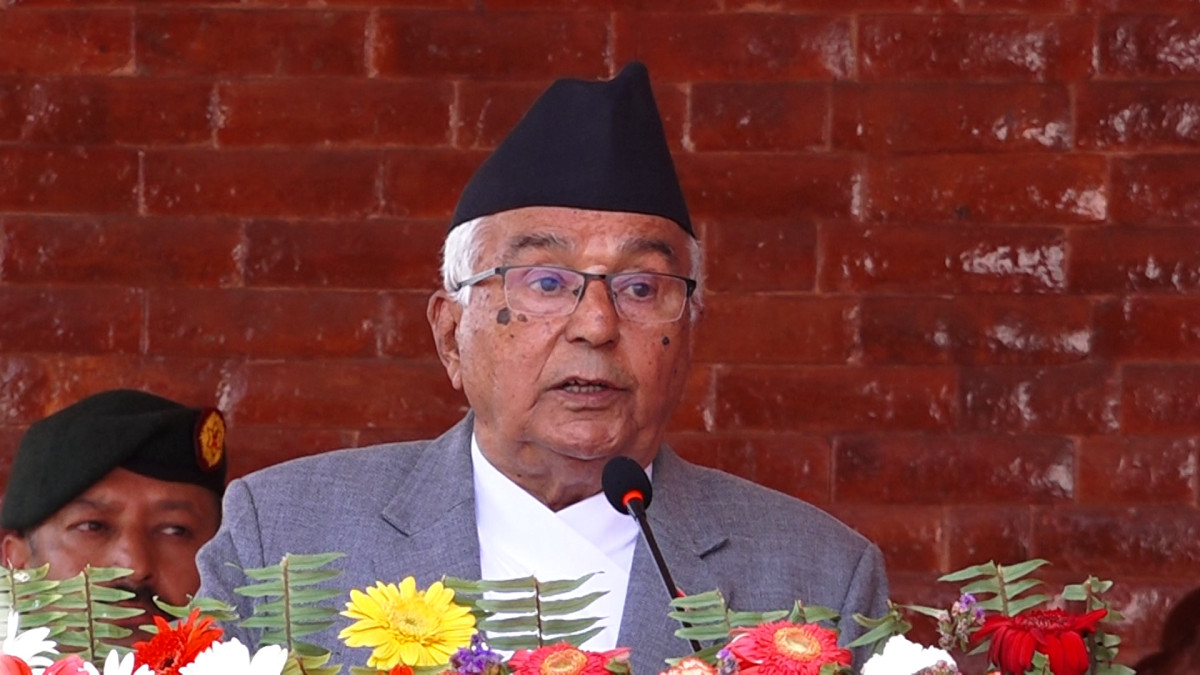
Director General of the Department of Environment, Gyanraj Subedi, explained, “Rain helps settle airborne dust and pollutants, and wind disperses remaining particles, leading to reduced pollution levels. We have also advised relevant agencies to implement sustainable and environment-friendly development measures effectively.”
Environmentalist Bhushan Tuladhar emphasized the need for proactive measures, including proper leaf litter management, wildfire control, regular vehicle emission testing, and strict enforcement of pollution standards.
Meteorologist Sanjiv Adhikari of the Department of Hydrology and Meteorology reported that weather conditions have improved since Thursday, and rainfall has played a key role in reducing air pollutants.
Over the past 24 hours, the heaviest rainfall was recorded at 126.2 mm at Narayani Field Office in Chitwan, 102.2 mm at Ghare Dhunga, Lamjung, and 90 mm at Barpak, Gorkha. Other significant rainfall measurements include 98.4 mm at Katari, Udayapur, and 96.4 mm at Chandragadhi Airport, Jhapa.
According to AQI standards, a reading of 0–50 is considered ‘Good’, 51–100 ‘Moderate’, 101–150 ‘Unhealthy for Sensitive Groups’, 151–200 ‘Unhealthy for All’, 201–300 ‘Very Unhealthy’, and above 300 ‘Hazardous’.
Today’s drop places Kathmandu in the ‘Unhealthy for Sensitive Groups’ category, offering relief but still cautioning vulnerable populations.