Iran conflict hits supply chain; Japan’s calbee switches to monochrome packaging
A shortage of raw materials used in color ink production has forced some Japanese snack manufacturers to temporarily shift from colorful packaging to simpler black-and-white designs.

KATHMANDU: The ongoing conflict in Iran is beginning to ripple through global supply chains, with its impact now visible even in Japan’s everyday consumer goods.
A shortage of raw materials used in color ink production has forced some Japanese snack manufacturers to temporarily shift from colorful packaging to simpler black-and-white designs.
Japan’s leading snack producer Calbee has announced that disruptions in the supply of ink-related materials used for packaging have compelled the company to revise the design of several of its popular products on a temporary basis.
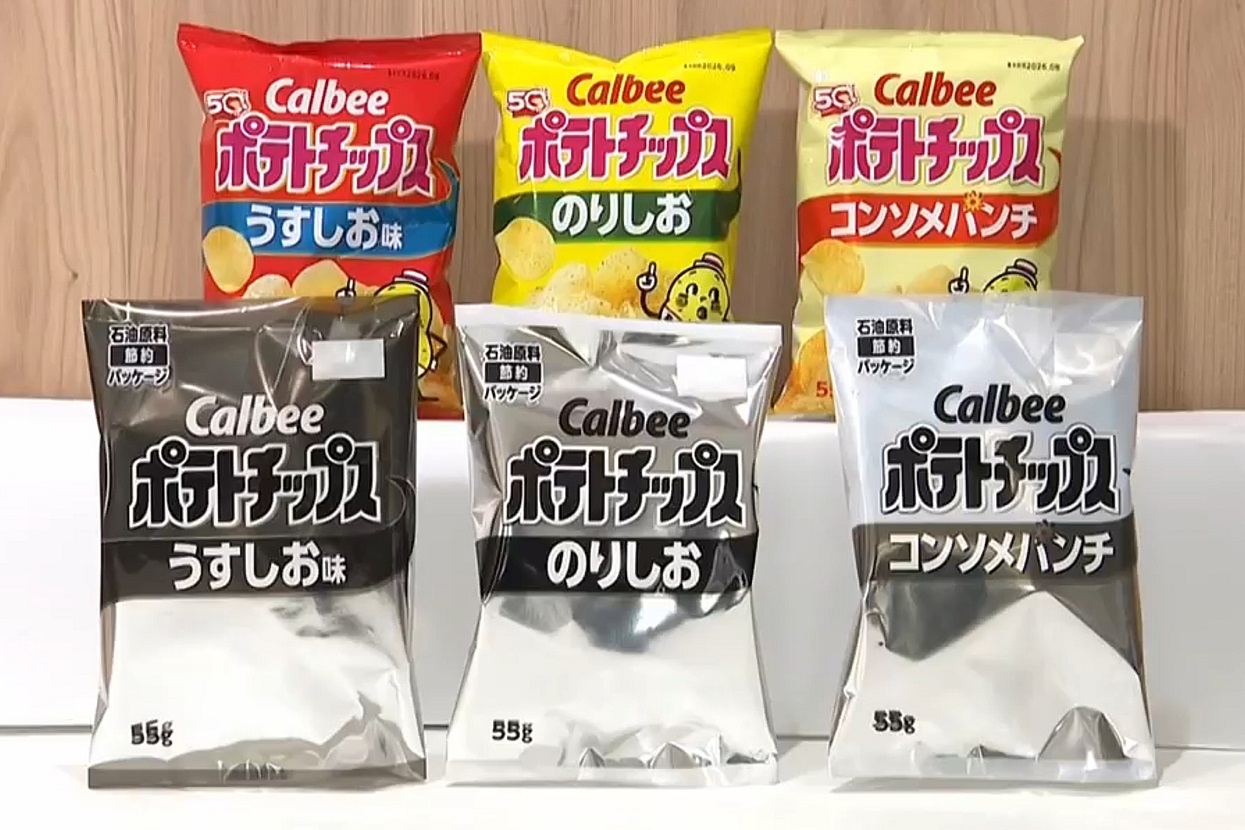
According to the company, while there will be no change in product quality or taste, the packaging will appear significantly more minimal, with reduced use of color elements. In a statement released from its Tokyo headquarters this week, Calbee said the measure has been taken to “maintain stable product supply” amid ongoing geopolitical uncertainty.
The revised packaging will be applied to 14 product lines starting May 25, with ink color usage limited to just two shades. Calbee’s snacks are widely sold across convenience stores throughout Japan and are also exported to markets including the United States, China, and Australia.
Founded in 1949, the company employs more than 5,000 people and is one of Japan’s most recognizable food brands. It said the current geopolitical environment has forced it to adopt greater flexibility in production and supply chain management, though it has not specified how long the packaging changes will remain in place.
The disruption is linked to wider global energy and materials pressures stemming from instability in the Middle East. Reports suggest that tensions affecting the Strait of Hormuz have tightened global oil and petrochemical supplies, increasing pressure on industries reliant on derivatives such as plastics, chemicals, and printing ink.
Japan, heavily dependent on imported oil, is particularly vulnerable to such shocks. Naphtha, a petroleum-derived feedstock essential for plastics and ink production, has seen constrained availability and rising costs, prompting manufacturers to explore cost-saving and alternative production methods.
While the Japanese government has stated that national oil reserves remain sufficient, it has acknowledged growing concerns in the market as consumers begin to notice visible changes in packaged goods.
Popular products such as Calbee’s lightly salted potato chips, once sold in bright orange packaging featuring cartoon mascots, will now appear in simplified monochrome designs. Similar changes are also expected for other flagship products, including shrimp-flavored snacks.
Calbee reaffirmed its commitment to ensuring stable supply and maintaining product quality despite operational challenges, stating that it will continue to respond swiftly to changes in the global operating environment.