Heatwave grips Nepal: Stay hydrated, stay safe
The unusually hot weather has increased the risk of dehydration, heat exhaustion, and other heat-related illnesses, especially among children, the elderly, outdoor workers, and people with pre-existing health conditions.


KATHMANDU: With temperatures rising sharply across various parts of Nepal, health experts and authorities have issued a public advisory urging citizens to take extra precautions against the ongoing heatwave conditions.
The unusually hot weather has increased the risk of dehydration, heat exhaustion, and other heat-related illnesses, especially among children, the elderly, outdoor workers, and people with pre-existing health conditions.
Meteorologists report that many lowland and urban areas are experiencing above-average temperatures, with daytime heat becoming increasingly intense.
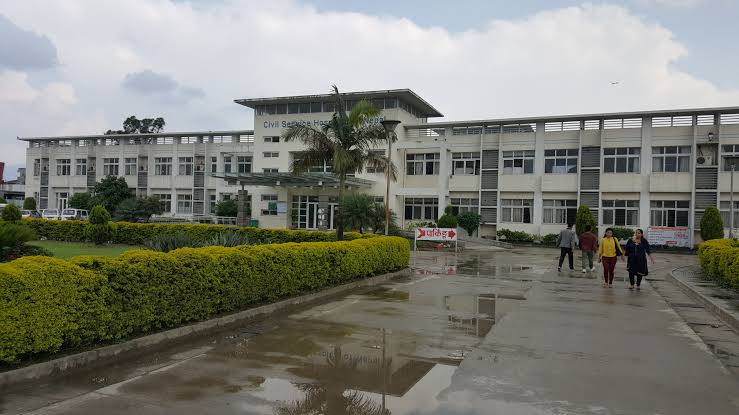
As a result, hospitals and health posts have been advised to stay alert for a possible rise in heat-related patients.
Health Experts Advise: Stay Hydrated and Cool
Doctors strongly recommend that people drink plenty of clean and safe water throughout the day, even if they do not feel thirsty. Staying hydrated is considered the most important preventive measure during hot weather.
Health professionals also suggest:
- Drinking water frequently (not waiting for thirst)
- Consuming light and fresh meals such as fruits and vegetables
- Avoiding excessive caffeine and sugary drinks
- Staying in shaded or cool areas during peak sunlight hours
What to Do During Hot Weather
Experts advise the public to follow simple but effective precautions:
- Wear light-colored, loose-fitting cotton clothes
- Use hats, umbrellas, or caps when going outdoors
- Take frequent breaks if working outside
- Use fans or stay in well-ventilated rooms
- Take cold showers or wipe the body with cool water when necessary
Children are advised to avoid playing outside during midday heat, while elderly individuals are encouraged to stay indoors as much as possible.
What NOT to Do
Health officials have also warned people against risky behaviors during extreme heat:
- Do not stay under direct sunlight for long periods between 11 AM and 4 PM
- Avoid heavy physical exercise during peak heat hours
- Do not ignore symptoms like dizziness, headache, or fatigue
- Do not leave children or pets inside parked vehicles
- Avoid eating overly oily or spicy food during extreme heat
Warning Signs of Heat-Related Illness
Doctors caution that early symptoms of heat exhaustion or heatstroke include:
- Dizziness or fainting
- Excessive sweating followed by dry skin
- Rapid heartbeat
- Nausea or vomiting
- High body temperature
If any of these symptoms appear, immediate rest in a cool place and medical attention are strongly recommended.